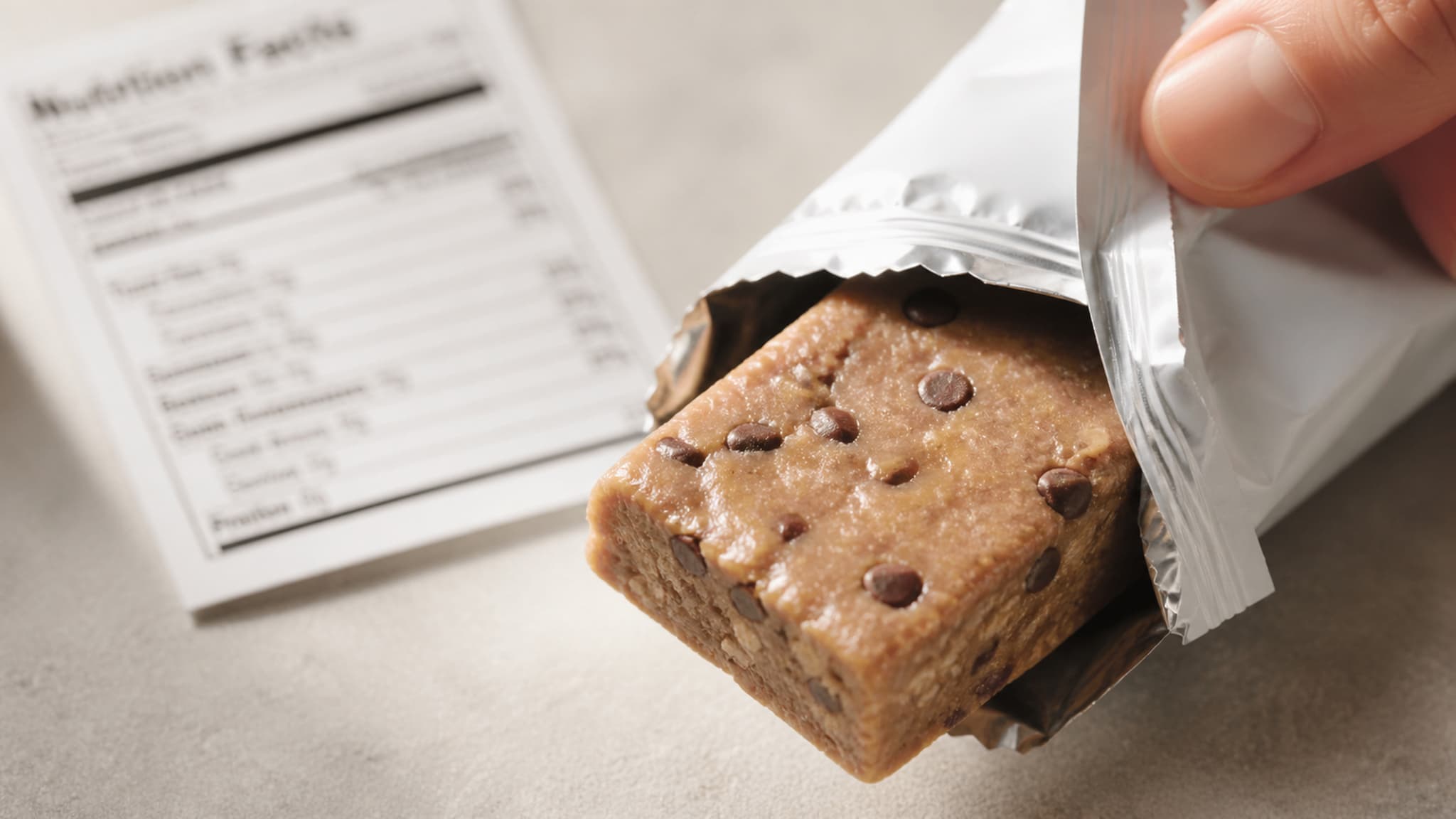
Protein bars have become one of the most popular convenience foods in the fitness industry. Walk into any supermarket, petrol station, or gym and you will find shelves stacked with bars promising high protein, low carbs, and guilt-free indulgence. The packaging is slick, the flavours are tempting, and the nutritional claims sound almost too good to be true. In many cases, they are. After years of reviewing nutrition labels with my clients and helping them navigate the overwhelming world of protein bar marketing, I can tell you that most protein bars are not what they appear to be. Some are essentially glorified chocolate bars with a scoop of protein powder mixed in. Others use labelling loopholes that make their nutritional profiles look far better than they actually are. If you are relying on protein bars as a regular part of your diet, you need to understand what you are actually eating.
The “Net Carbs” Problem
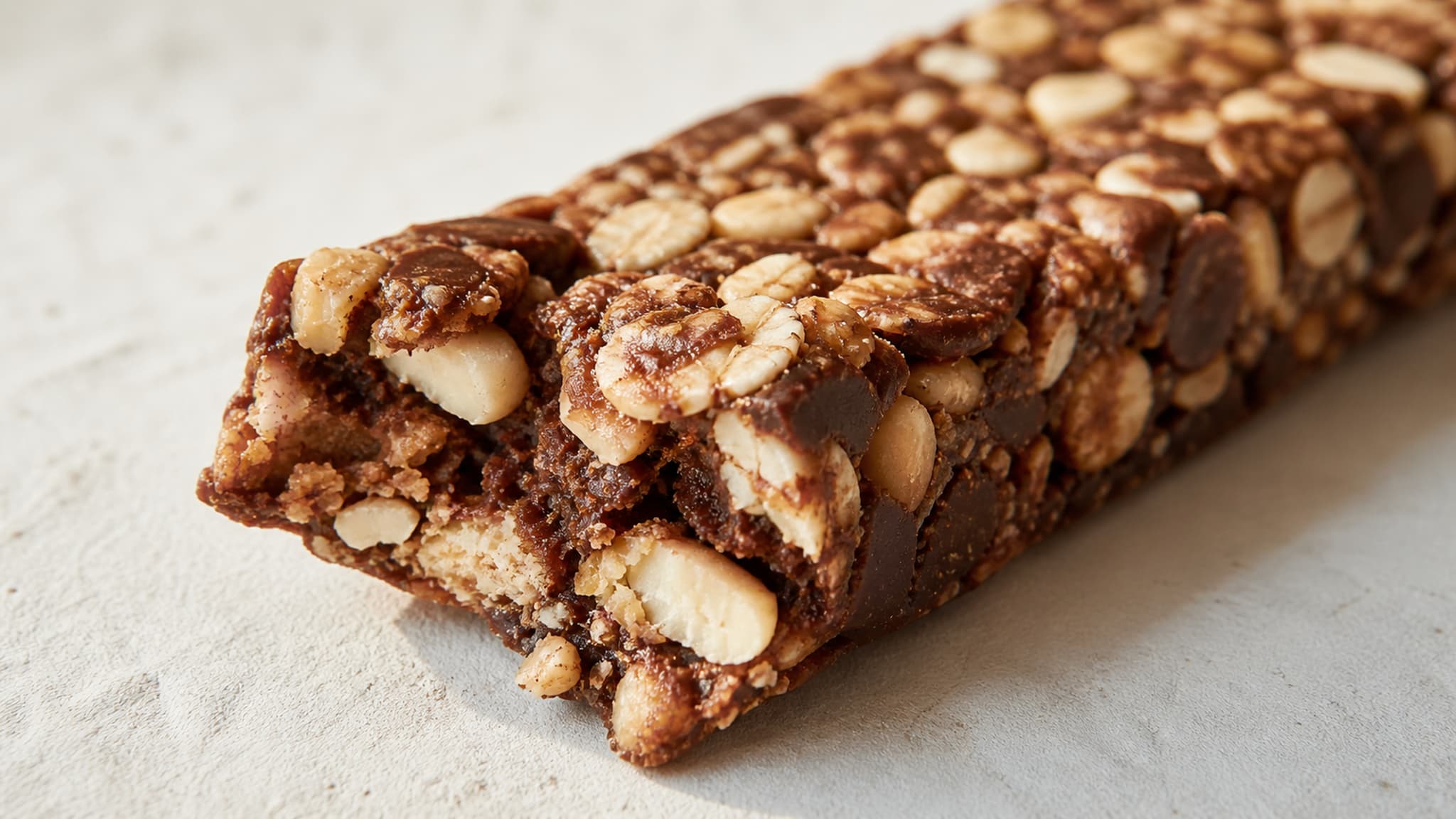
One of the biggest issues in the protein bar industry is the widespread use of ‘net carbs’ on packaging. Net carbs are calculated by subtracting fibre and sugar alcohols from total carbohydrates, on the basis that these components are either not fully digested or do not significantly raise blood sugar. This sounds reasonable in theory, but in practice it is deeply misleading. Many protein bars use ingredients like isomalto-oligosaccharides (IMOs) and various polyols (sugar alcohols) to keep the ‘net carb’ count low while the total carbohydrate and calorie content remains substantially higher than the front-of-pack marketing suggests (1).
Research published in the European Journal of Clinical Nutrition has demonstrated that many of the fibre sources used in protein bars, particularly IMOs, are actually partially digestible and do contribute calories and a glycaemic response (2). A bar marketed as containing 4 grams of net carbs might actually contain 20 or more grams of total carbohydrates, with the remainder supposedly accounted for by fibre and sugar alcohols that are, in fact, providing both calories and a blood sugar response. If you are tracking your macros or managing a condition like type 2 diabetes where blood sugar control matters, relying on net carb claims could be significantly undermining your efforts.

Sugar Alcohols: The Hidden Digestive Nightmare
Sugar alcohols like erythritol, maltitol, sorbitol, and xylitol are commonly used in protein bars to provide sweetness without the sugar count on the label. While erythritol is generally well tolerated by most people, other sugar alcohols are a different story. Maltitol, for example, has a glycaemic index of around 35, which is lower than table sugar but still high enough to produce a meaningful blood sugar and insulin response, particularly in individuals with impaired glucose tolerance (3). It also has well-documented laxative effects when consumed in moderate to high quantities.
If you have ever eaten a protein bar and experienced bloating, gas, cramping, or urgently needed the bathroom afterwards, sugar alcohols are almost certainly the culprit. A review published in the International Journal of Dentistry noted that consumption of sugar alcohols above 10 to 20 grams per day can produce significant gastrointestinal symptoms in sensitive individuals (4). Some protein bars contain 15 grams or more of sugar alcohols in a single serving. For clients I work with who report persistent bloating or digestive discomfort, one of the first things I do is audit their protein bar intake. More often than not, removing or replacing the bars resolves the issue.
Protein Quality Is Not Created Equal
Not all protein sources in bars are of the same quality, and this matters more than most people realise. The gold standard for protein in a bar would be whey protein isolate or a high-quality blend of whey and casein, which provide a complete amino acid profile with high bioavailability and a strong leucine content to stimulate muscle protein synthesis (5). Many cheaper bars, however, use inferior protein sources like collagen, gelatin, soy protein isolate of varying quality, or heavily processed plant protein blends that are lower in essential amino acids and particularly low in leucine.
Collagen is a particularly common offender. It has gained enormous popularity as a health supplement, and many bars now feature collagen protein prominently in their ingredient lists. While collagen has potential benefits for skin and joint health, it is a very poor quality protein from a muscle-building perspective because it lacks adequate amounts of the essential amino acids needed to stimulate muscle protein synthesis, particularly leucine (6). A bar that lists 20 grams of protein might derive a significant portion of that from collagen, giving you far less muscle-building benefit than you would get from the same amount of whey, casein, or a well-formulated plant-based protein blend using pea and rice protein.
For my vegetarian and vegan clients, the protein source in bars requires even more scrutiny. Many plant-based protein bars rely on a single protein source that does not provide a complete amino acid profile. The best options combine complementary plant proteins, such as pea protein with rice protein, to create a more complete amino acid profile that rivals animal-based sources. Look for bars that use these blends rather than relying solely on soy or a single grain-based protein.
Calorie Density That Rivals a Chocolate Bar
Here is an uncomfortable truth. Many protein bars contain between 250 and 400 calories per bar. Some of the larger ones push above 500. For context, a standard Mars bar contains approximately 228 calories. When you factor in the sugar alcohols, the fats from nuts and coatings, and the various binding agents used to hold these bars together, you are often looking at a calorie-dense snack that is not dramatically different from confectionery in terms of its energy content. The protein content is higher, which is a genuine advantage, but the overall calorie load is something that catches many people off guard.
I have had clients who were eating two protein bars a day as snacks on top of their regular meals, not realising they were adding 600 to 800 calories to their daily intake. When you are trying to maintain a calorie deficit for fat loss, those numbers matter enormously. A 500-calorie daily surplus from protein bars alone would result in roughly a pound of fat gain every week. The bars were not helping their fat loss. They were actively preventing it.
The Palatable Trap
Modern protein bars have been engineered to taste as close to confectionery as possible. Cookie dough, salted caramel, chocolate fudge brownie. They are designed to hit the same reward centres in your brain that processed junk food does, and that is a problem for many people. Research on food reward and palatability has consistently shown that highly palatable foods can override satiety signals and promote overconsumption (7). If a protein bar tastes like a dessert, your brain treats it like a dessert, and the likelihood of it triggering cravings for more sweet, hyper-palatable food increases significantly.
This does not mean you should never eat a protein bar. But it does mean you should be honest with yourself about the role it plays in your diet. If a protein bar is a convenient, occasional protein source that helps you hit your daily target when whole food is not available, that is a perfectly reasonable use case. If a protein bar is something you crave, look forward to, and eat daily as a sweet treat disguised as health food, that is a different situation entirely and one worth examining honestly.
What I Actually Look For in a Protein Bar
When a client asks me to recommend a protein bar, I apply a simple set of criteria. First, I look at total calories relative to protein content. A good protein bar should deliver at least 20 grams of protein for no more than 200 to 250 calories. The protein-to-calorie ratio is the single most important metric. Second, I check the protein source. Whey, casein, or a pea-rice blend are all acceptable. Collagen-heavy bars get put back on the shelf. Third, I look at sugar alcohols and total fibre claims. If the bar relies heavily on IMOs or maltitol to create an artificially low net carb number, it is not an honest product. Fourth, I check total fat content. Bars coated in chocolate or loaded with nut butter can push fat content above 15 grams, which inflates the calorie count significantly. Finally, I consider the ingredient list length. A bar with 30 ingredients, most of which you cannot pronounce, is a processed food product. Treat it as such.
Better Alternatives for Busy People
If convenience is your primary concern, and it is for most of the busy clients I coach, there are alternatives to protein bars that deliver more nutritional value without the downsides. A small tub of Greek yoghurt or skyr provides 15 to 20 grams of protein with minimal processing. A portion of cottage cheese with some berries offers a similar protein hit. A handful of edamame beans makes an excellent plant-based portable snack with around 11 grams of protein per 100 grams. Even a pre-made protein shake using a quality whey or plant-based powder mixed with water is a cleaner and more transparent option than most bars on the market.
The goal is not to be perfect. The goal is to be informed. If you choose to eat a protein bar knowing exactly what is in it and how it fits into your daily nutrition plan, that is a perfectly reasonable decision. The problem arises when protein bars are consumed under the illusion that they are a health food, when in reality they are a processed snack with a better marketing team than your average chocolate bar.
The Bottom Line
The protein bar industry relies on clever marketing, misleading labelling practices, and the assumption that most consumers will not look beyond the front of the pack. If you are serious about your fat loss, your muscle-building goals, or your health, take 30 seconds to flip the bar over and read the full nutrition label and ingredient list. Check total calories, not net carbs. Check the protein source, not just the protein number. And be honest with yourself about whether the bar is serving a nutritional purpose or satisfying a craving.
If you want help cutting through the noise around nutrition and building a plan that is based on real food, real evidence, and real results, get in touch. I will help you build a nutrition strategy that does not rely on marketing claims and that works for your body, your schedule, and your goals, whether you eat meat, follow a vegetarian diet, or are fully plant-based.
Work with Me
Get a personalised coaching plan built around your goals, your schedule, and your life.
Enquire NowReferences
- Madrigal L, Sangronis E. Inulin and derivates as key ingredients in functional foods. Archivos Latinoamericanos de Nutricion. 2007; 57(4): 387-396.
- Gourineni V, Stewart ML, Icoz D, Zimmer JP. Isomalto-oligosaccharides at 25 and 50g supplementation levels are not digestion resistant in the small intestine in healthy young adults. European Journal of Clinical Nutrition. 2018; 72(7): 1038-1045.
- Livesey G. Health potential of polyols as sugar replacers, with emphasis on low glycaemic properties. Nutrition Research Reviews. 2003; 16(2): 163-191.
- Makinen KK. Sugar alcohols, caries incidence, and remineralisation of caries lesions: a literature review. International Journal of Dentistry. 2010; 2010: 981072.
- Tang JE, Moore DR, Kujbida GW, Tarnopolsky MA, Phillips SM. Ingestion of whey hydrolysate, casein, or soy protein isolate: effects on mixed muscle protein synthesis at rest and following resistance exercise in young men. Journal of Applied Physiology. 2009; 107(3): 987-992.
- Oikawa SY, Kamal MJ, Webb EK, McGlory C, Baker SK, Phillips SM. Whey protein but not collagen peptides stimulate acute and longer-term muscle protein synthesis with and without resistance exercise in healthy older women. British Journal of Nutrition. 2020; 124(10): 1032-1040.
- Blundell JE, Finlayson G. Is susceptibility to weight gain characterised by homeostatic or hedonic risk factors for overconsumption? Physiology and Behavior. 2004; 82(1): 21-25.