I have worked with executives, stay-at-home parents, competitive athletes, Type 1 and Type 2 diabetics, clients with PCOS, clients managing hypertension, vegetarians, vegans, and people who have never set foot in a gym before the day they walked through my door. Over that time, I have seen what works. More importantly, I have seen what does not. And the gap between the two is not as complicated as the fitness industry wants you to believe. Fat loss is not about finding the perfect diet, the perfect supplement, or the perfect training programme. It is about understanding a set of fundamental principles and applying them consistently, patiently, and with enough self-awareness to adjust when things are not moving in the right direction. What follows is the distilled truth of everything I know about fat loss, written for anyone who is tired of the noise and ready for something that actually works.
Energy Balance Is the Foundation. Everything Else Is Secondary.
I do not care what anyone on social media tells you. You cannot lose body fat without being in a sustained calorie deficit. This is not opinion. This is thermodynamics. A systematic review published in the American Journal of Clinical Nutrition, which analysed the results of 20 controlled feeding studies, concluded that when calorie intake is equated, the macronutrient composition of the diet does not significantly affect body fat loss (1). Low carb, high carb, keto, vegan, carnivore. When calories are the same, the fat loss is the same. The diet that creates the deficit you can sustain is the diet that works.
That does not mean calories are the only thing that matters. They are simply the first thing that matters. Once the deficit is established, the quality of the calories you eat determines everything else: how you feel, how you perform, how much muscle you retain, how sustainable the process is, and how your health markers respond. But without the deficit, none of those things produce fat loss. This is the single most important principle in this entire article, and it is the one that most people either do not fully accept or keep trying to find workarounds for.

Protein Is Non-Negotiable
If energy balance is the foundation, protein is the load-bearing wall. Adequate protein intake during a fat loss phase is essential for preserving lean muscle mass, supporting recovery from training, maintaining metabolic rate, and managing hunger. A meta-analysis published in the British Journal of Sports Medicine found that protein intakes of approximately 1.6 to 2.2 grams per kilogram of body weight per day optimised gains in lean mass during resistance training, and this range becomes even more important when you are in a calorie deficit and the risk of muscle loss increases (2).
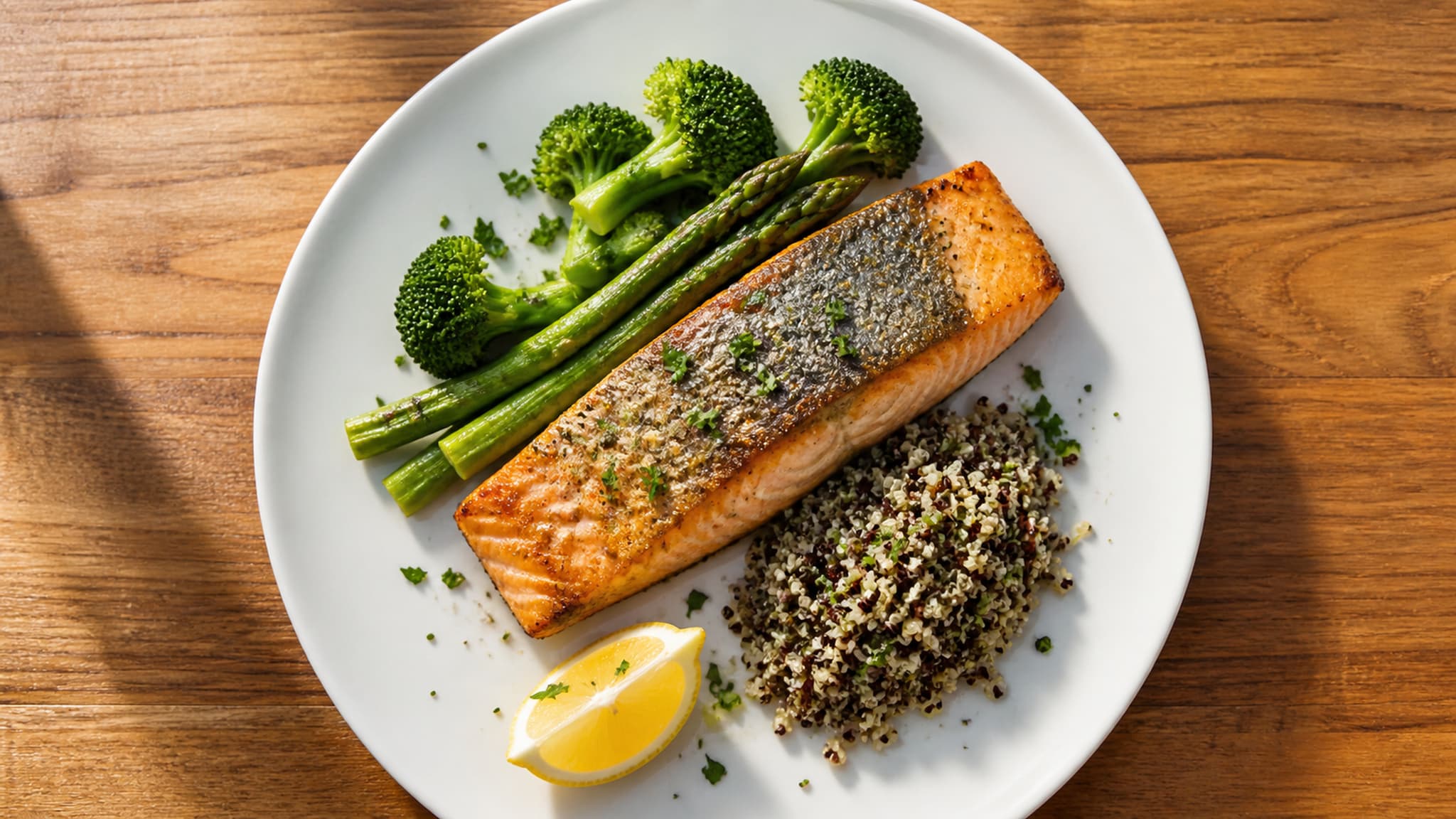
Protein also has the highest thermic effect of any macronutrient. Your body uses approximately 20 to 30 percent of the calories from protein just to digest and process it, compared to 5 to 10 percent for carbohydrates and 0 to 3 percent for fat (3). This means that a high-protein diet inherently burns more calories through digestion alone. On top of that, protein is the most satiating macronutrient, meaning it keeps you fuller for longer, which makes adhering to a calorie deficit significantly easier (4). Whether your protein comes from chicken, fish, eggs, Greek yoghurt, tofu, tempeh, seitan, lentils, or a quality pea protein shake, hitting your daily target is one of the most impactful things you can do for your fat loss results.
Resistance Training Is Not Optional
Too many people approach fat loss as purely a dietary challenge and either ignore training completely or default to endless cardio. This is a mistake that costs them muscle, metabolic rate, and long-term results. Resistance training during a fat loss phase is the most powerful tool you have for preserving lean tissue while the body is in an energy deficit. A study published in the Journal of the American Medical Association found that combined resistance and aerobic training produced superior improvements in body composition compared to either modality alone (5). You need to give your body a reason to hold onto muscle while you are asking it to burn fat, and that reason is progressive resistance training.
I programme every single one of my fat loss clients with a structured resistance training plan, regardless of age, gender, or training experience. The specific programme varies based on the individual, but the principle does not. You train with weights. You progressively overload over time. You prioritise compound movements. And you do not sacrifice training quality for the sake of adding more cardio. Cardio has its place, and I use it strategically, but it is the supporting actor in the fat loss story. Resistance training is the lead.
Sleep and Stress Are Not Soft Variables
I used to underestimate the impact of sleep and stress on fat loss. I do not anymore. The evidence is too compelling to ignore. A study published in the Annals of Internal Medicine placed participants on a calorie-restricted diet and manipulated their sleep duration. Those who slept 5.5 hours per night lost 55 percent less body fat and 60 percent more lean mass compared to those who slept 8.5 hours, despite eating the same number of calories (6). Sleep deprivation increases cortisol, impairs insulin sensitivity, elevates ghrelin (the hunger hormone), and reduces leptin. It makes you hungrier, more likely to crave processed food, less able to recover from training, and more likely to store fat viscerally. If you are doing everything right with your diet and training but sleeping five or six hours a night, you are working against yourself.
Chronic stress operates through a similar pathway. Elevated cortisol promotes visceral fat storage, impairs glucose metabolism, and drives hedonic eating behaviours (7). I work with a lot of high-performing executive clients in London whose stress levels are through the roof, and addressing their stress management and sleep hygiene is often as impactful as any change we make to their nutrition or training. This is not a luxury consideration. It is a core component of any serious fat loss programme.

Consistency Beats Intensity Every Time
One of the most important lessons I have learned is that the people who get the best results are not the ones who are most extreme. They are the ones who are most consistent. A moderate calorie deficit sustained for 12 weeks will always outperform an aggressive deficit abandoned after three. A training programme followed four days a week for six months will always outperform a brutal programme that leads to burnout in four weeks. Research published in Obesity Reviews confirmed this, showing that dietary adherence was the single strongest predictor of long-term weight loss success across all dietary approaches studied (8).
This is why I build plans that fit into my clients' real lives. I do not create programmes that require four hours in the gym and perfectly weighed meals six times a day. I create programmes that a busy professional, a working parent, or a frequent traveller can actually follow week after week. The perfect plan you cannot adhere to is inferior to the good plan you follow consistently. This is not a motivational platitude. It is the single most practically important truth in the entire field of body composition.
Track What You Eat. At Least at the Start.
Most people dramatically underestimate how much they eat. This is not a character flaw. It is a well-documented cognitive bias. Research published in the New England Journal of Medicine found that subjects who believed they were eating 1,200 calories per day were actually consuming closer to 2,000 when their intake was objectively measured (9). That is a 67 percent underestimation. If you have never tracked your food intake accurately, you almost certainly do not have an accurate picture of how much you are eating. I do not require all of my clients to track indefinitely, but I do recommend tracking for at least the first four to eight weeks of a fat loss phase to build awareness, calibrate portion sizes, and establish a baseline understanding of where your calories are actually coming from.
Vegetables Are Your Secret Weapon
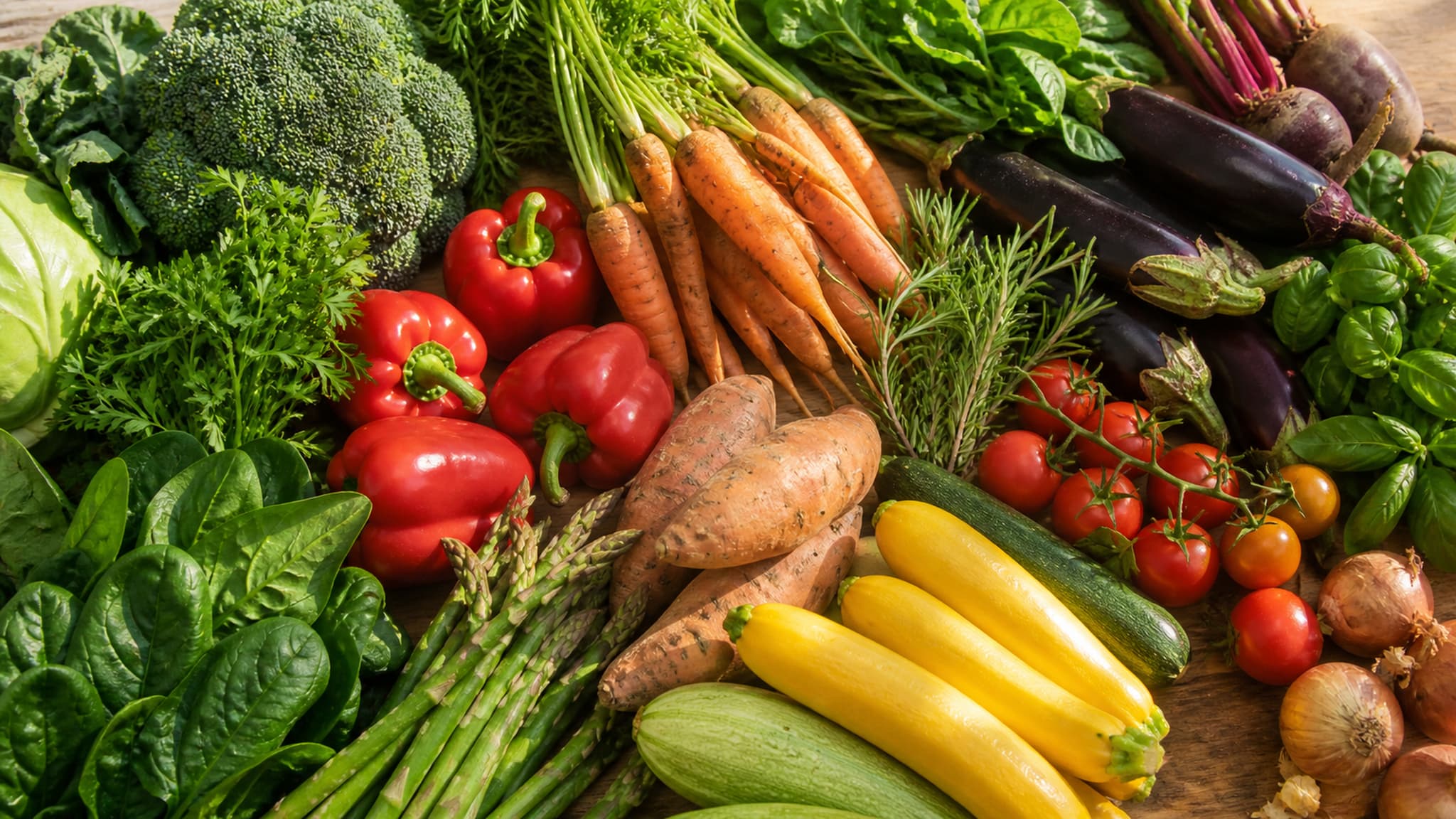
If I could give one piece of dietary advice to everyone reading this, it would be to eat more vegetables. Vegetables are high in volume, low in calories, rich in fibre and micronutrients, and extraordinarily effective at filling you up without adding significant energy to your diet. A study in the journal Appetite demonstrated that increasing vegetable intake at meals reduced overall energy intake by approximately 100 calories per meal without any compensatory increase in hunger (10). Over a week, that adds up to a 700-calorie reduction with no additional effort or restriction. I aim for a minimum of 150 to 200 grams of vegetables per meal for my clients, and this single habit change often produces meaningful results before we even touch their macros.
The Scale Is a Tool, Not a Verdict
Body weight fluctuates daily due to water retention, glycogen status, sodium intake, hormonal cycles, bowel movements, and a dozen other factors that have nothing to do with fat gain or fat loss. I have seen clients gain two kilograms overnight after a high-carbohydrate refeed meal and lose it all within 48 hours. I have seen women retain three to four kilograms of water during certain phases of their menstrual cycle. I have seen clients panic about a scale increase after starting a resistance training programme, not realising that the increase is glycogen and water being stored in newly stimulated muscle tissue.
The scale is useful as a trend indicator over weeks and months. It is useless as a day-to-day measure of fat loss. I advise my clients to weigh themselves daily at the same time under the same conditions and then look at weekly averages rather than individual readings. This removes the emotional volatility and gives a clear picture of the actual trend. Combine this with waist measurements, progress photographs, and how your clothes fit, and you have a far more complete and accurate picture of what is happening to your body than the scale alone will ever provide.
There Is No Finish Line
The hardest truth about fat loss is that the work does not end when you reach your target weight. Maintaining a new body composition requires ongoing attention to the same principles that got you there: appropriate calorie intake, adequate protein, regular training, sufficient sleep, and stress management. The research on weight regain is sobering. A review published in the American Journal of Clinical Nutrition found that the majority of individuals who lose weight through dieting regain 50 percent of it within two years and nearly all of it within five (11). The people who maintain their results are the ones who transition from a fat loss phase into a structured maintenance phase where calories are increased gradually and the habits developed during the deficit are sustained indefinitely.
This is why I coach fat loss as a skill set, not a temporary event. The goal is not just to get you lean. The goal is to teach you how to stay lean, how to manage your nutrition flexibly through holidays and social events, how to adjust your training as your body changes, and how to maintain your results for the rest of your life without it consuming your every waking thought. That is what real transformation looks like.
The Bottom Line
The principles I trust have not changed. Create a moderate calorie deficit. Eat enough protein. Lift weights. Eat your vegetables. Sleep properly. Manage your stress. Be consistent. Track your progress honestly. And build a plan that fits your actual life, not a hypothetical one. These principles work for men and women, for meat eaters and vegetarians, for people in their twenties and people in their sixties. They are not exciting. They are not trendy. They do not sell well on social media. But they work, and they have always worked.
If you are ready to stop chasing shortcuts and start building a sustainable approach to fat loss that is designed specifically around your body, your health, your dietary preferences, and your lifestyle, I would genuinely like to help. Get in touch and let me put evidence-based coaching to work for you.
Work with Me
Get a personalised coaching plan built around your goals, your schedule, and your life.
Enquire NowReferences
- Hall KD, Guo J. Obesity energetics: body weight regulation and the effects of diet composition. Gastroenterology. 2017; 152(7): 1718-1727.
- Morton RW, Murphy KT, McKellar SR, et al. A systematic review, meta-analysis and meta-regression of the effect of protein supplementation on resistance training-induced gains in muscle mass and strength in healthy adults. British Journal of Sports Medicine. 2018; 52(6): 376-384.
- Westerterp KR. Diet induced thermogenesis. Nutrition and Metabolism. 2004; 1(1): 5.
- Leidy HJ, Clifton PM, Astrup A, et al. The role of protein in weight loss and maintenance. American Journal of Clinical Nutrition. 2015; 101(6): 1320S-1329S.
- Willis LH, Slentz CA, Bateman LA, et al. Effects of aerobic and/or resistance training on body mass and fat mass in overweight or obese adults. Journal of Applied Physiology. 2012; 113(12): 1831-1837.
- Nedeltcheva AV, Kilkus JM, Imperial J, Schoeller DA, Penev PD. Insufficient sleep undermines dietary efforts to reduce adiposity. Annals of Internal Medicine. 2010; 153(7): 435-441.
- Epel ES, McEwen B, Seeman T, et al. Stress and body shape: stress-induced cortisol secretion is consistently greater among women with central fat. Psychosomatic Medicine. 2000; 62(5): 623-632.
- Lemstra M, Bird Y, Nwankwo C, Rogers M, Moraros J. Weight loss intervention adherence and factors promoting adherence: a meta-analysis. Patient Preference and Adherence. 2016; 10: 1547-1559.
- Lichtman SW, Pisarska K, Berman ER, et al. Discrepancy between self-reported and actual caloric intake and exercise in obese subjects. New England Journal of Medicine. 1992; 327(27): 1893-1898.
- Rolls BJ, Ello-Martin JA, Tohill BC. What can intervention studies tell us about the relationship between fruit and vegetable consumption and weight management? Nutrition Reviews. 2004; 62(1): 1-17.
- Anderson JW, Konz EC, Frederich RC, Wood CL. Long-term weight-loss maintenance: a meta-analysis of US studies. American Journal of Clinical Nutrition. 2001; 74(5): 579-584.