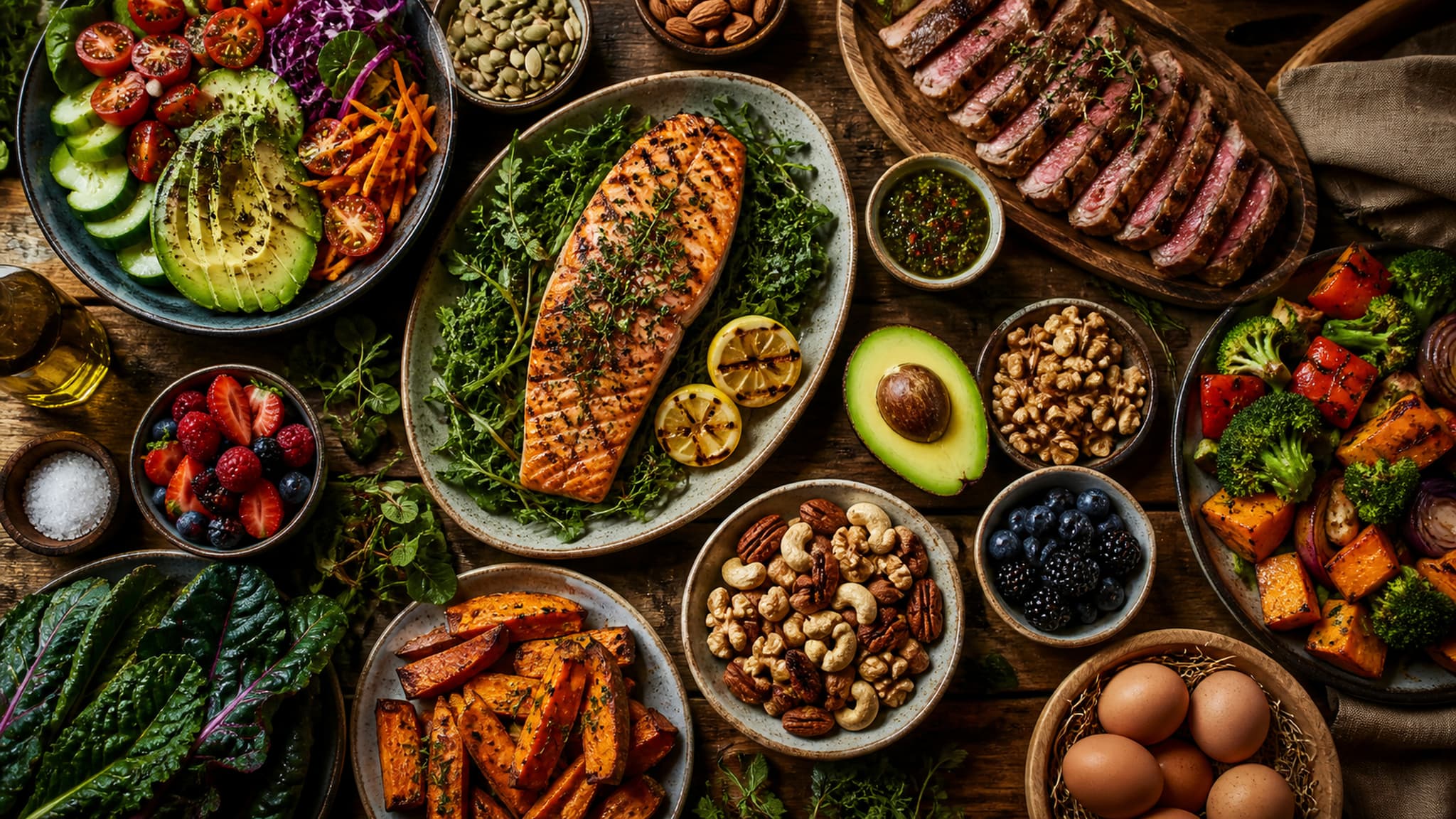
The paleo diet has been one of the most popular dietary approaches of the past two decades. Its core premise is simple and intuitively appealing. Eat the way our Palaeolithic ancestors ate before agriculture, before processed food, before the chronic diseases that define modern health. Focus on meat, fish, vegetables, fruits, nuts, and seeds. Eliminate grains, legumes, dairy, refined sugar, and processed oils. The logic sounds compelling. Our genes were shaped over hundreds of thousands of years of evolution. Modern food is a mismatch with our evolutionary biology. Therefore, eating like our ancestors did must be the optimal way to eat for health and body composition.
The paleo approach has produced genuine results for many people. It has also led others into unnecessary restriction, nutritional gaps, and a rigid relationship with food that undermines long term sustainability. Understanding the difference is what separates an informed approach from a dogmatic one. And as a lifelong vegetarian who coaches omnivores, vegetarians, and vegans equally, I have a particular interest in examining dietary claims with objectivity rather than tribal allegiance.

Why the Paleo Debate Matters
The paleo diet is not just a food list. It is a philosophy about human nutrition, and that philosophy has shaped how millions of people think about food. It has influenced what foods they fear, what foods they prioritise, and what foods they eliminate entirely from their diet. When that philosophy is accurate, it leads to better choices. When it is inaccurate, it leads to unnecessary restriction, nutritional deficiency, and a distorted understanding of what the human body actually needs.
The stakes are not trivial. I have worked with clients who avoided oats because they were told grains are inflammatory. Clients who refused to eat lentils or chickpeas because legumes were on the banned list. Clients who eliminated Greek yoghurt, one of the most convenient and protein dense foods available, because dairy was considered incompatible with human evolution. In each case, the client had removed a nutritious, affordable, and practical food from their diet based on a claim that does not hold up to scientific scrutiny. They had made their nutrition harder to follow, their protein intake harder to hit, and their diet less enjoyable, all in pursuit of a framework that promised ancestral health but delivered modern confusion.
The question is not whether paleo works or whether paleo is bad. That binary framing is exactly the kind of tribal thinking that holds people back. The question is what does paleo get right, what does it get wrong, and how do you take the useful principles and discard the unfounded restrictions? That is what I want to help you do.
What the Paleo Approach Gets Right
Before I address the problems, I want to be clear about the strengths of the paleo approach because there are several, and they are significant. Much of the practical advice that comes from paleo aligns well with evidence based nutrition. The issue is not that everything about paleo is wrong. The issue is that the reasoning behind some of the recommendations is flawed, and some of the restrictions are unsupported by modern evidence.
Emphasis on Whole, Unprocessed Foods
This is the single greatest strength of the paleo approach and the primary reason it produces results. Paleo encourages people to eat real food. Meat, fish, eggs, vegetables, fruits, nuts, seeds, and healthy fats. It steers people away from ultra processed food, refined sugar, and industrial seed oils. This shift alone, regardless of the evolutionary rationale behind it, is profoundly beneficial for health. A landmark study published in The Lancet analysed dietary risks across 195 countries and found that diets high in processed food and low in whole foods were the leading dietary risk factor for mortality and chronic disease worldwide (1). Any dietary approach that moves people towards whole food and away from processed food is going to produce improvements in body composition, metabolic markers, and overall health. Paleo does this effectively.
High Protein Intake
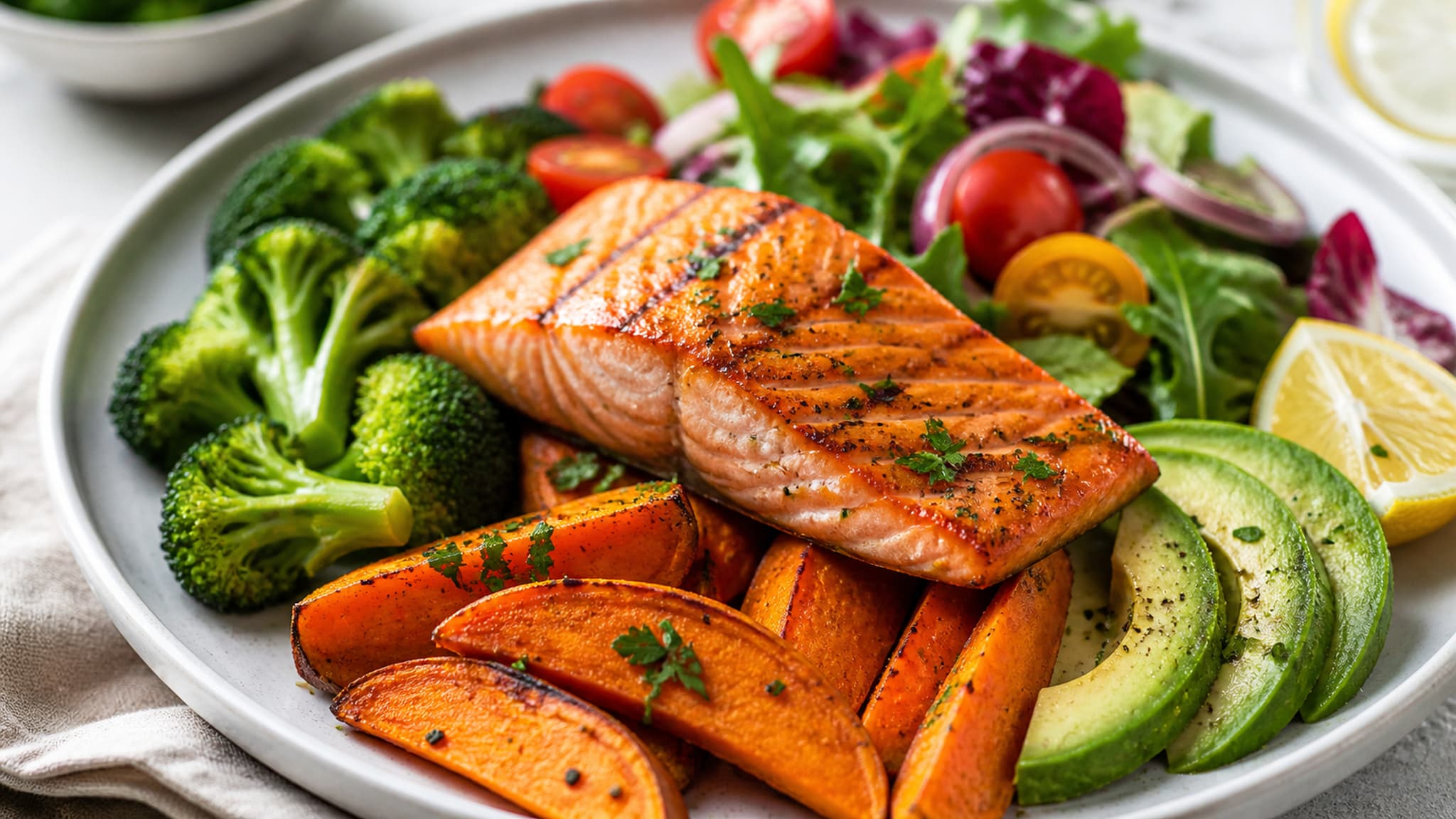
The paleo diet is inherently high in protein because it emphasises meat, fish, and eggs as primary food sources. As I have written extensively about elsewhere on this site, adequate protein intake is one of the single most important nutritional factors for body composition, satiety, metabolic rate, and muscle preservation. Most people dramatically under eat protein. Paleo addresses this by default because removing grains, legumes, and dairy from the diet forces a greater reliance on animal protein sources, which are among the most protein dense foods available. A meta analysis published in the American Journal of Clinical Nutrition found that higher protein diets consistently produced greater fat loss and better preservation of lean mass compared to standard protein diets (2). Paleo achieves this without requiring the person to count grams or track macros, simply through the structure of the food choices.
Elimination of Ultra Processed Food and Added Sugar
By its rules, the paleo diet eliminates most ultra processed foods, refined sugar, artificial additives, and industrial cooking oils. Given that ultra processed food now accounts for over 50 percent of calorie intake in many Western countries, and research published in the BMJ found a significant association between ultra processed food consumption and increased risk of cardiovascular disease, metabolic syndrome, depression, and all cause mortality (3), any dietary framework that curtails this intake is producing a meaningful health benefit. Many people who start a paleo diet experience rapid improvements in energy, digestion, skin clarity, and body composition. While they often attribute these improvements to eliminating specific food groups like grains or dairy, the more likely explanation in most cases is the dramatic reduction in overall processed food intake.
Encouragement of Vegetables and Fruit
Despite its reputation as a meat heavy diet, the paleo framework explicitly encourages generous vegetable and fruit consumption. This aligns well with the evidence. A comprehensive meta analysis published in the International Journal of Epidemiology found that higher intake of fruits and vegetables was associated with significant reductions in cardiovascular disease, cancer, and all cause mortality, with benefits observed at intakes of up to 800 grams per day (4). I find that many clients who adopt paleo principles naturally increase their vegetable intake because they are replacing grain based side dishes with vegetable based ones, which is a positive change regardless of the theoretical framework behind it.
What the Paleo Approach Gets Wrong
The strengths of the paleo approach are real. But so are the weaknesses. And the weaknesses are significant enough that adopting paleo as a rigid, complete dietary system creates problems that undermine long term success for many people.
The Evolutionary Argument Is Flawed
The foundational premise of the paleo diet is that our genes are adapted to a Palaeolithic diet and have not had time to evolve in response to agricultural foods. This sounds plausible but the science does not support it as an absolute claim. Human evolution did not stop with the advent of agriculture roughly 10,000 years ago. One of the most well documented examples is lactase persistence, the genetic mutation that allows adults to digest lactose in dairy products. This mutation arose after the domestication of animals and is now present in approximately 35 percent of the global population, with much higher prevalence in populations with a long history of dairy farming (5). It is a clear, documented example of human genetic adaptation to an agricultural food in a relatively short evolutionary timeframe.
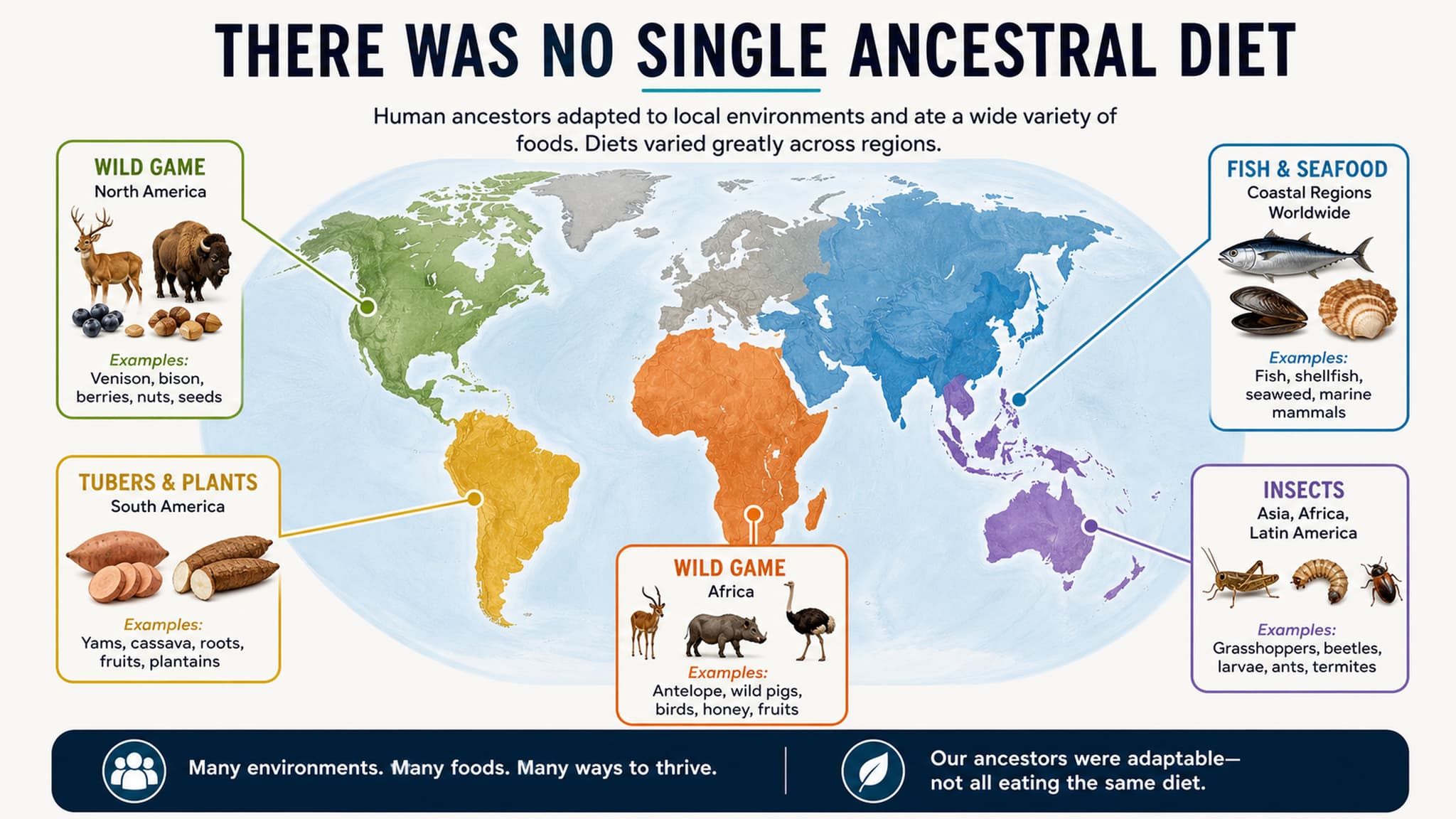
Similarly, populations with a long history of grain consumption show increased copy numbers of the salivary amylase gene AMY1, which improves starch digestion (6). The idea that humans are genetically frozen in a Palaeolithic state and incapable of thriving on agricultural foods is an oversimplification that does not reflect what we know about human genomics. Furthermore, the Palaeolithic diet itself was not a single diet. It varied enormously depending on geography, climate, and season. Some ancestral populations ate predominantly animal foods. Others ate predominantly tubers and plant material. There was no single ancestral diet to return to.
The Elimination of Grains Is Unnecessary for Most People
The paleo diet eliminates all grains on the basis that they contain antinutrients such as phytates and lectins, that they are pro inflammatory, and that they were not part of the ancestral human diet. For the majority of people, this elimination is not supported by the evidence. Whole grains are one of the most consistently health promoting food groups in the nutritional literature. A meta analysis published in the BMJ found that higher whole grain consumption was associated with significant reductions in the risk of coronary heart disease, cardiovascular disease, total cancer, and all cause mortality (7).
The antinutrient concern is overstated. While raw grains do contain phytates and lectins, modern food processing, including cooking, soaking, fermenting, and milling, dramatically reduces these compounds to levels that are not clinically significant for people eating a varied diet (8). Whole grains also provide fibre, B vitamins, magnesium, iron, and selenium. Eliminating them entirely removes a convenient, affordable, and nutrient dense food group from the diet without a compelling health reason for most individuals. Oats, rice, quinoa, and whole grain bread are staples in the vast majority of my client plans across all dietary backgrounds because they are practical, well tolerated, and support both performance and health.
The Elimination of Legumes Is Particularly Problematic
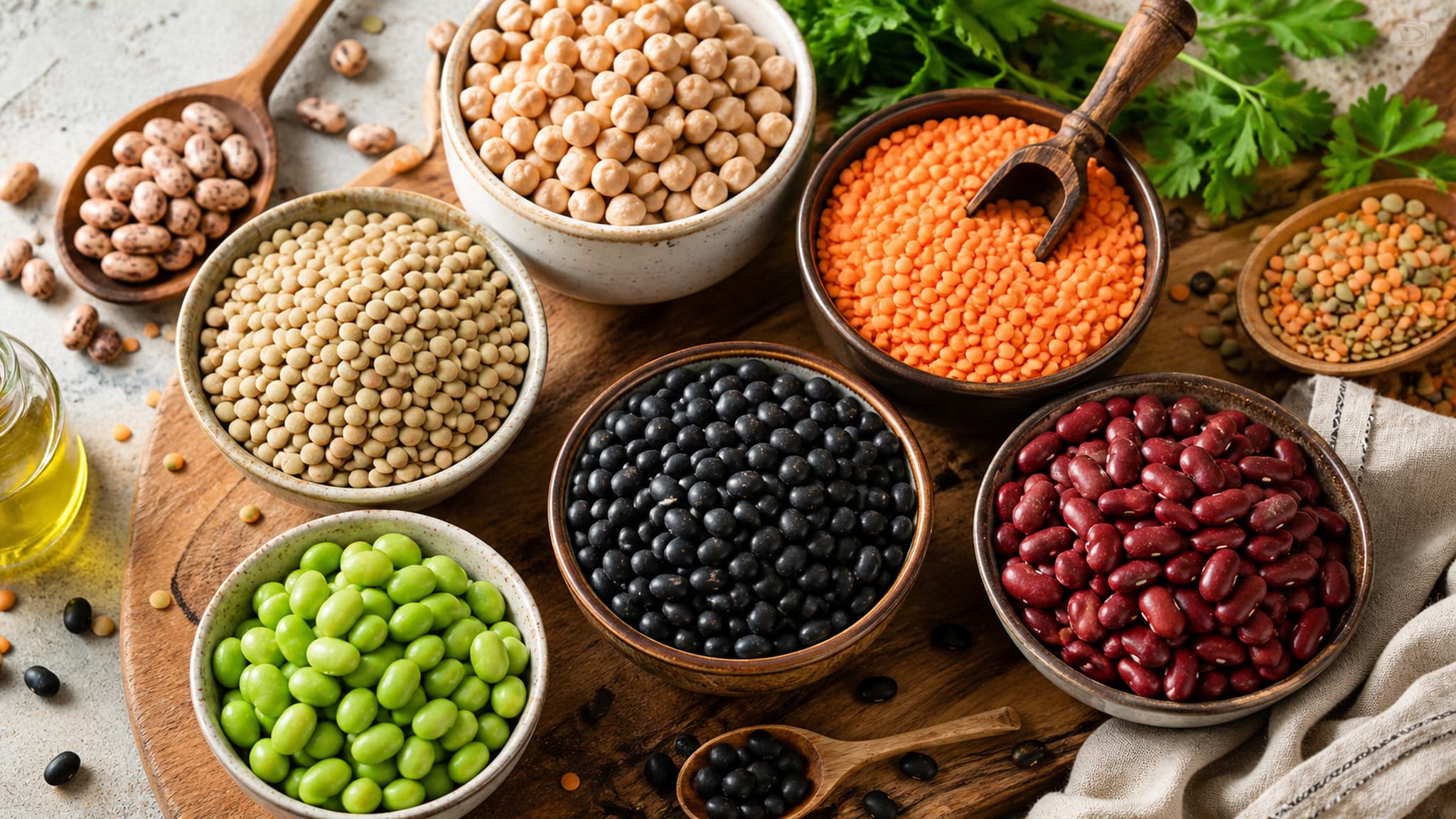
This is the restriction that concerns me most, particularly for my vegetarian and vegan clients. Legumes, including lentils, chickpeas, black beans, kidney beans, and soy products, are eliminated in strict paleo on similar antinutrient grounds. Yet legumes are among the most nutritionally versatile foods available. They provide protein, complex carbohydrates, fibre, iron, zinc, folate, and a range of phytonutrients. For plant based clients, they are an indispensable protein source. For omnivore clients, they are an excellent and affordable way to increase fibre and nutrient diversity.
The evidence in favour of legume consumption is strong. A systematic review and meta analysis published in the American Journal of Clinical Nutrition found that regular legume consumption was associated with significant improvements in body weight, blood lipids, and blood pressure (9). The Blue Zones research, which examined the dietary patterns of the world’s longest lived populations, identified legumes as one of the most consistent dietary features across all five zones (10). Telling people to eliminate legumes is not just unnecessary. For many clients, it removes one of the most health promoting food groups in the human diet.
The antinutrient argument against legumes mirrors the argument against grains and fails for the same reasons. Soaking, cooking, and modern processing methods reduce lectins and phytates to negligible levels. Tinned legumes that have been rinsed are perfectly safe and nutritious. I include legumes in the majority of my client plans, and they are a cornerstone of my vegetarian and vegan client nutrition strategies. Removing them based on a theoretical concern about antinutrients while ignoring the extensive evidence of their health benefits is poor risk assessment.
The Elimination of Dairy Is Not Necessary for Everyone
Dairy is eliminated in strict paleo on the basis that it is a post agricultural food and that humans were not designed to consume the milk of another species. While lactose intolerance is a legitimate concern for a proportion of the population, approximately 65 percent of adults globally, many people tolerate dairy well and benefit from it nutritionally. Greek yoghurt, cottage cheese, and whey protein are among the most protein dense, convenient, and well researched foods available for supporting body composition goals. Fermented dairy products like yoghurt and kefir provide beneficial probiotics that support gut health.
For clients who tolerate dairy, I include it as a valuable part of their nutrition plan. For clients who are lactose intolerant, I use lactose free dairy products or plant based alternatives such as soy milk, soy yoghurt, and pea protein. For vegan clients, dairy is obviously excluded, and we build protein intake from other sources. The point is that dairy should be included or excluded based on individual tolerance and preference, not based on a blanket ancestral rule that does not account for genetic variation.
Calorie Awareness Is Often Missing
The paleo diet does not typically include any guidance on energy balance or portion control. The philosophy tends to suggest that if you eat the right types of food, your appetite will self regulate and your body will find its natural weight. For some people, this works. Removing processed food and increasing protein intake can spontaneously reduce calorie consumption to a level that supports fat loss. But for many people, particularly those with significant weight to lose or those whose appetite regulation is already disrupted, it is not enough. Nuts, avocados, coconut oil, and fatty cuts of meat are all paleo approved and all extremely calorie dense. A person who eats generous portions of these foods can easily consume a calorie surplus while following every paleo rule perfectly. I have seen this multiple times. The client is eating clean by paleo standards but not losing weight because their total energy intake exceeds their expenditure. Without awareness of energy balance, the best food choices in the world will not overcome a calorie surplus.
Who the Paleo Approach Actually Works For
With all of that context in mind, I want to be practical about where the paleo approach fits and who genuinely benefits from it.
Paleo works well for people who are coming from a highly processed diet and need a clear, simple framework to improve their food quality. The rules are easy to understand. If it looks like it grew from the ground or once had a pulse, eat it. If it came from a factory, do not. For someone transitioning from takeaways, ready meals, and ultra processed snacks, paleo provides a dramatic improvement in food quality that will produce results quickly. The simplicity is a genuine strength.
Paleo also works well for people who enjoy and prefer an omnivorous, meat focused dietary pattern. If you naturally gravitate towards meat, fish, eggs, and vegetables and have no interest in grains or legumes, the paleo template aligns with your preferences, and as I have written about extensively, adherence is the single most important dietary variable (11). A plan that aligns with your preferences is a plan you will follow.
Paleo does not work well for vegetarians or vegans. Eliminating legumes, grains, and dairy from a plant based diet leaves you with an extremely restricted range of food choices and makes it virtually impossible to hit adequate protein intake without heavy reliance on supplements. As a lifelong vegetarian, this is one of the clearest limitations of the approach. Any dietary system that cannot accommodate a significant and growing proportion of the global population is, by definition, not a universal solution.
Paleo also does not work well for people who need precise control over their energy intake, whether for fat loss, muscle building, or medical management. Without a framework for calories and macros, paleo relies on food quality alone to regulate body composition, and while that works for some individuals, it fails for many others. And the unnecessary elimination of entire food groups like grains, legumes, and dairy makes it harder to build a varied, sustainable, and enjoyable diet, particularly on a budget.
What I Take From Paleo and What I Leave Behind
When I build nutrition plans for my clients, I take the best principles from every dietary approach and apply them within an evidence based framework. From paleo, I take the emphasis on whole foods, the prioritisation of protein, the encouragement of generous vegetable intake, and the reduction of ultra processed food. These are genuinely valuable principles that align with the strongest evidence we have on nutrition and health.
What I leave behind is the rigid elimination of grains, legumes, and dairy. I leave behind the evolutionary narrative that oversimplifies human genetics. I leave behind the absence of energy balance awareness. And I leave behind the tribal identity that turns a dietary framework into a belief system. Nutrition should be evidence based, personalised, and flexible. It should work with your body, your preferences, your goals, and your life. No single dietary label can do that. But a coach who understands the principles behind every approach and knows how to apply them to the individual absolutely can.
Build a Diet That Works for You, Not One That Fits a Label
If you have tried paleo and it worked for you, there is nothing wrong with continuing to eat that way, provided you are meeting your nutritional needs and the restrictions are not causing you problems. But if paleo did not work, or if you are considering it and wondering whether it is the right choice, the honest answer is that you do not need a label. You need a plan built around the principles that actually drive results, personalised to your body, your goals, your preferences, and your dietary background.
That is what I do for every client I work with. I coach one-to-one online globally. I work with omnivores, vegetarians, vegans, and everyone in between. I work with clients managing diabetes, PCOS, hypertension, and a wide range of health conditions. I do not sell a dietary philosophy. I build something that works specifically for you.
Get in touch and let me build the plan that finally fits your life.
Work with Me
Get a personalised coaching plan built around your goals, your schedule, and your life.
Enquire NowReferences
- GBD 2017 Diet Collaborators. Health effects of dietary risks in 195 countries, 1990–2017: a systematic analysis for the Global Burden of Disease Study 2017. The Lancet. 2019; 393(10184): 1958-1972.
- Wycherley TP, Moran LJ, Clifton PM, Noakes M, Brinkworth GD. Effects of energy-restricted high-protein, low-fat compared with standard-protein, low-fat diets: a meta-analysis of randomized controlled trials. American Journal of Clinical Nutrition. 2012; 96(6): 1281-1298.
- Srour B, Fezeu LK, Kesse-Guyot E, et al. Ultra-processed food intake and risk of cardiovascular disease: prospective cohort study. BMJ. 2019; 365: l1451.
- Aune D, Giovannucci E, Boffetta P, et al. Fruit and vegetable intake and the risk of cardiovascular disease, total cancer and all-cause mortality: a systematic review and dose-response meta-analysis of prospective studies. International Journal of Epidemiology. 2017; 46(3): 1029-1056.
- Itan Y, Powell A, Beaumont MA, Burger J, Thomas MG. The origins of lactase persistence in Europe. PLoS Computational Biology. 2009; 5(8): e1000491.
- Perry GH, Dominy NJ, Claw KG, et al. Diet and the evolution of human amylase gene copy number variation. Nature Genetics. 2007; 39(10): 1256-1260.
- Aune D, Keum N, Giovannucci E, et al. Whole grain consumption and risk of cardiovascular disease, cancer, and all cause and cause specific mortality: systematic review and dose-response meta-analysis of prospective studies. BMJ. 2016; 353: i2716.
- Gibson RS, Bailey KB, Gibbs M, Ferguson EL. A review of phytate, iron, zinc, and calcium concentrations in plant-based complementary foods used in low-income countries and implications for bioavailability. Food and Nutrition Bulletin. 2010; 31(2 Suppl): S134-S146.
- Jayalath VH, de Souza RJ, Sievenpiper JL, et al. Effect of dietary pulses on blood pressure: a systematic review and meta-analysis of controlled feeding trials. American Journal of Clinical Nutrition. 2014; 99(2): 276-286.
- Buettner D, Skemp S. Blue Zones: lessons from the world’s longest lived. American Journal of Lifestyle Medicine. 2016; 10(5): 318-321.
- Gardner CD, Trepanowski JF, Del Gobbo LC, et al. Effect of low-fat vs low-carbohydrate diet on 12-month weight loss in overweight adults and the association with genotype pattern or insulin secretion: the DIETFITS randomised clinical trial. JAMA. 2018; 319(7): 667-679.