Water is the single most important substance you put into your body. You can survive weeks without food but only days without water. It makes up roughly 60 percent of your body weight. It is the medium in which every chemical reaction in your cells takes place. It regulates your temperature, transports nutrients, removes waste, cushions your organs, and lubricates your joints. And yet most people give almost zero thought to the quality of the water they are drinking. They focus on their macros, their supplements, their training programme, and their sleep, but they drink whatever comes out of the tap without questioning what is actually in it. What you drink matters. And for many people, the water they are consuming every day is quietly contributing to a toxic burden their body has to fight against.
This is something that resonates with me on a personal level. In the Namdhari Sikh tradition, there has long been an emphasis on consuming water that comes from natural sources: a well, a running stream, or water that flows naturally from the earth. This is not simply a spiritual practice. It reflects an intuitive understanding, held for generations, that water in its natural, uncontaminated state is fundamentally different from water that has been chemically treated and pushed through miles of ageing infrastructure before reaching your glass. Modern science is now catching up with that wisdom, and the evidence on what tap water contains, and what it does to the body over years of daily consumption, is something everyone pursuing better health should understand.
What Is Actually in Your Tap Water
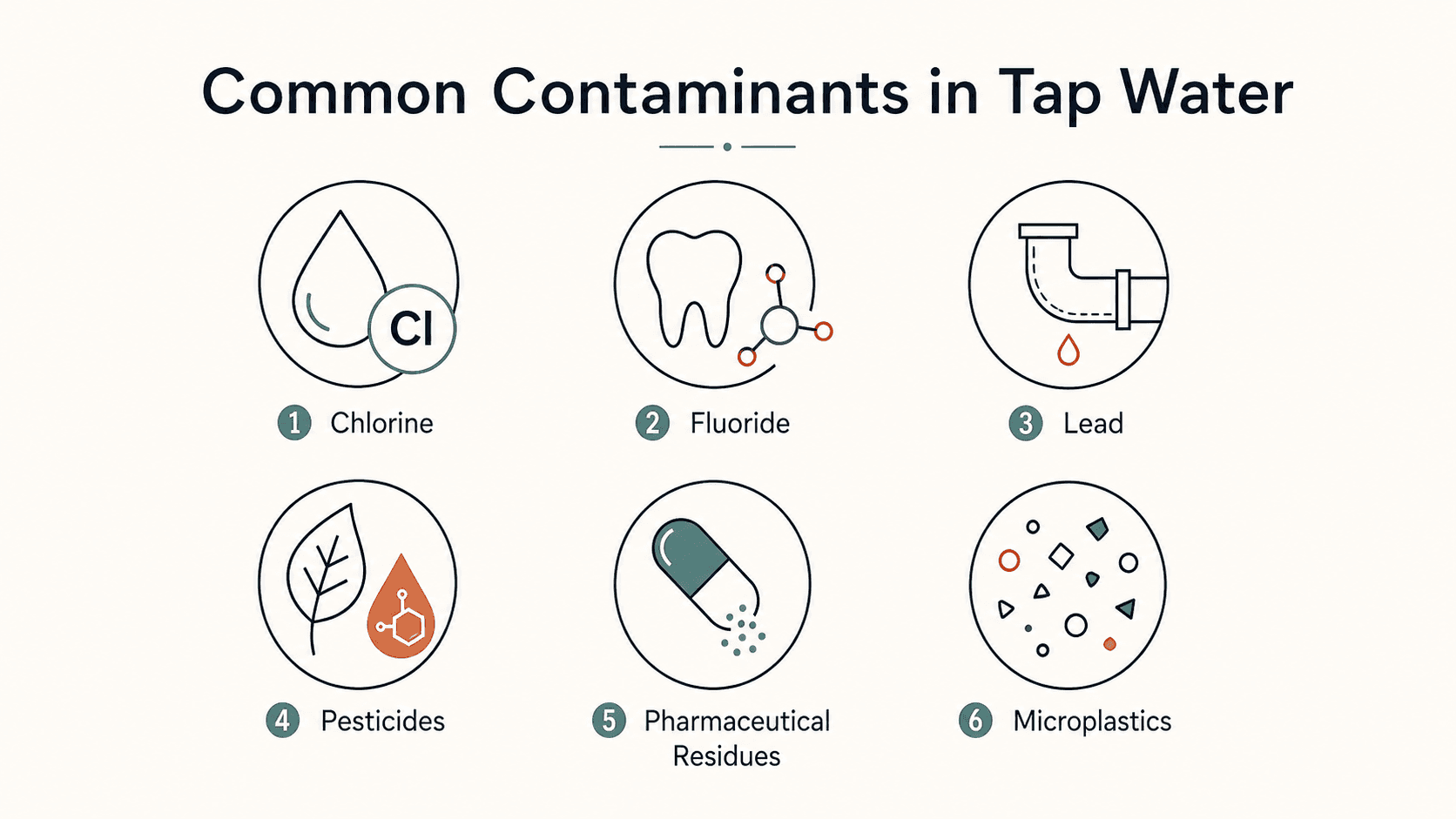
Tap water in the UK is treated to meet safety standards set by the Drinking Water Inspectorate, and it is important to acknowledge that it is generally safe from acute infectious disease. You are unlikely to get cholera or typhoid from drinking London tap water. But meeting minimum safety standards for infectious pathogens is not the same thing as being free from substances that affect your health over decades of daily exposure. UK tap water has been found to contain a range of chemical contaminants including chlorine and chlorine disinfection byproducts (trihalomethanes and haloacetic acids), fluoride (added deliberately in some regions), traces of heavy metals including lead, copper, and aluminium (leached from pipes and treatment processes), pesticide residues, pharmaceutical residues including hormones, antibiotics, and antidepressants that pass through wastewater treatment, and microplastics (1)(2).
None of these substances are present in acutely toxic concentrations. The levels are considered “safe” by regulatory standards. But those standards are based on short-term toxicity thresholds, not on the cumulative impact of consuming low doses of multiple chemical contaminants every single day for 30, 40, 50 years or more. This is the concept of toxic load, the total burden of chemical exposure your body accumulates over time from all sources including food, air, personal care products, household chemicals, and water. Your body has sophisticated detoxification systems, primarily the liver, kidneys, and lymphatic system, but these systems have a finite capacity. When toxic load exceeds the body’s ability to process and eliminate it, the excess accumulates in tissues, triggers chronic inflammation, disrupts cellular function, and contributes to the development of disease over time (3).
How Water Quality Affects Cellular Health
Every cell in your body is surrounded by water. Intracellular fluid (the water inside your cells) and extracellular fluid (the water surrounding your cells) are the environments in which all cellular processes take place. The quality of that fluid directly influences how efficiently your cells function. When the water you consume is clean and free from chemical contaminants, it supports optimal hydration at the cellular level, efficient nutrient transport, effective waste removal, and the maintenance of proper electrolyte balance across cell membranes. When the water is carrying low-level chemical contaminants, those substances interact with your cells, your enzymes, your mitochondria, and your DNA in ways that accumulate over time.
Chlorine and its disinfection byproducts (DBPs), particularly trihalomethanes, are among the most well-studied contaminants in treated water. A meta-analysis published in the American Journal of Epidemiology found a statistically significant association between long-term exposure to chlorinated water and an increased risk of bladder cancer (4). Trihalomethanes are classified as possible human carcinogens by the International Agency for Research on Cancer. They exert their effects through oxidative stress, generating reactive oxygen species (ROS) that damage cell membranes, proteins, and DNA. Over years of daily exposure, this oxidative burden contributes to accelerated cellular ageing, mitochondrial dysfunction, and an increased risk of chronic disease (5). The damage is not dramatic or immediate. It is slow, cumulative, and largely invisible until it manifests as a diagnosable condition years or decades later.
Heavy metals, even at trace levels, are particularly harmful to cellular health. Lead interferes with enzymatic function and has been shown to impair neurological development, kidney function, and cardiovascular health even at levels previously considered safe (6). Aluminium, used as a coagulant in water treatment, has been associated with neurotoxicity and has been investigated as a potential contributing factor in neurodegenerative conditions (7). These metals accumulate in tissues over time, binding to proteins and disrupting the normal biochemistry of the cells they inhabit. Your body can handle small exposures. The concern is what happens when small exposures occur every single day for decades without interruption.
The Fluoride Question
Fluoride is one of the most contentious substances added to public water supplies. In the UK, approximately 10 percent of the population receives fluoridated water, with plans to expand this. The stated purpose is dental health, specifically the prevention of tooth decay. The debate around water fluoridation is complex, but from a body composition and overall health perspective, there are legitimate scientific concerns worth understanding.
Fluoride is an endocrine disruptor. The US National Research Council published a comprehensive review in 2006 concluding that fluoride can affect thyroid function, particularly in individuals with iodine deficiency, and that current safety margins may not be adequate to protect against adverse effects in all populations (8). The thyroid gland regulates metabolic rate, energy production, and hormonal balance. Impaired thyroid function, even subclinically, can result in fatigue, weight gain, difficulty losing body fat, depression, and reduced exercise tolerance. For clients who are doing everything right with their nutrition and training but struggling with unexplained fatigue or resistant fat loss, thyroid function is one of the variables I investigate, and chronic fluoride exposure is a legitimate consideration within that picture.
Research published in Environmental Health Perspectives found an association between higher fluoride exposure and reduced cognitive function in children (9). A study published in JAMA Pediatrics found that maternal fluoride exposure during pregnancy was associated with lower IQ scores in children (10). While the debate continues and regulatory bodies maintain that fluoridation at current levels is safe, the precautionary principle suggests that minimising unnecessary fluoride ingestion is a reasonable approach, particularly when the dental benefits of fluoride can be achieved topically through toothpaste rather than through systemic ingestion via the water supply.
Toxic Load and the Path to Chronic Disease
The concept of toxic load is not about any single contaminant causing a specific disease in isolation. It is about the cumulative, synergistic effect of multiple low-level exposures over a lifetime creating a physiological environment that promotes disease. When your body is constantly processing and attempting to eliminate chemical contaminants from your water, your food, your environment, and your personal care products, it creates a state of chronic low-grade physiological stress. This stress is not the kind you feel consciously. It operates at the cellular and systemic level, quietly eroding function over years. The downstream consequences are wide-ranging and well-documented.
Cardiovascular Disease. Chronic exposure to heavy metals and disinfection byproducts promotes endothelial dysfunction, arterial stiffness, and atherosclerosis. Oxidative stress damages the lining of blood vessels, initiating the inflammatory cascade that leads to plaque formation, narrowed arteries, and increased risk of heart attack and stroke (11).
Cancer. Trihalomethanes and other disinfection byproducts are classified as possible carcinogens. Long-term exposure is associated with increased risk of bladder, colon, and rectal cancers. The mechanism involves DNA damage from reactive oxygen species and the disruption of normal cellular repair processes (4).
Kidney Damage. The kidneys are the primary filtration system of the body. Chronic exposure to heavy metals, fluoride, and pharmaceutical residues places sustained demand on renal function. Over time, this contributes to reduced kidney efficiency and increased risk of chronic kidney disease, particularly in individuals with pre-existing risk factors (12).
Thyroid Dysfunction. Fluoride and perchlorate (a contaminant found in some water supplies) interfere with iodine uptake in the thyroid gland, impairing the production of thyroid hormones. This can manifest as hypothyroidism, metabolic slowdown, weight gain, fatigue, and impaired exercise recovery (8).
Neurological Decline. Heavy metals including lead and aluminium are neurotoxic. Chronic low-level exposure has been linked to cognitive decline, memory impairment, and an increased risk of neurodegenerative conditions including Alzheimer’s disease (7).
Hormonal Disruption. Pharmaceutical residues in water, particularly synthetic estrogens from oral contraceptives and hormone replacement therapy, are endocrine disruptors. Even at trace levels, chronic exposure may influence hormonal balance, reproductive health, and the body’s ability to regulate fat storage and muscle maintenance (13).
Gut Microbiome Damage. Chlorine is added to water specifically because it kills microorganisms. It does not distinguish between harmful pathogens in the water supply and beneficial bacteria in your gut. Regular consumption of chlorinated water has been shown to alter gut microbial composition, reducing diversity and potentially impairing the gut-brain axis, immune function, and metabolic health (14).
Chronic Inflammation. The oxidative stress generated by disinfection byproducts and heavy metals triggers a chronic inflammatory response. Systemic inflammation is now recognised as a root driver of virtually every chronic disease, from cardiovascular disease and diabetes to autoimmune conditions and cancer (5).
Compromised Immune Function. Toxic load diverts resources from immune surveillance and repair toward detoxification. When the body is chronically burdened with chemical processing, immune function is downregulated, increasing susceptibility to infections, slower recovery from illness, and impaired wound healing (3).
Accelerated Ageing. Oxidative stress and chronic inflammation are the two primary drivers of biological ageing at the cellular level. Telomere shortening, mitochondrial dysfunction, and DNA damage are all accelerated by sustained exposure to environmental toxins. Reducing toxic load through cleaner water, food, and environment is one of the most fundamental strategies for slowing the biological ageing process (15).
The Benefits of Natural and Filtered Water
Water from natural sources, wells, springs, and underground aquifers, has been filtered by the earth itself. As water percolates through layers of rock, sand, and mineral-rich soil, it undergoes a natural purification process that removes many contaminants while picking up beneficial trace minerals including calcium, magnesium, potassium, and silica. This is water in the form the human body evolved to consume over hundreds of thousands of years. It is clean, mineralised, and free from the chemical additives that characterise municipal water treatment. The Namdhari Sikh tradition of prioritising water from natural sources reflects an understanding of this distinction that predates modern water chemistry by generations.
For the vast majority of people living in cities, access to natural spring or well water is not practical on a daily basis. This is where water filtration becomes essential. The goal is simple: remove as many chemical contaminants as possible while retaining or restoring the beneficial mineral content that supports cellular health, hydration, and metabolic function. Not all filters are equal, and understanding the options available to you is important for making an informed choice.
Water Filtration Options: What Works and What Does Not
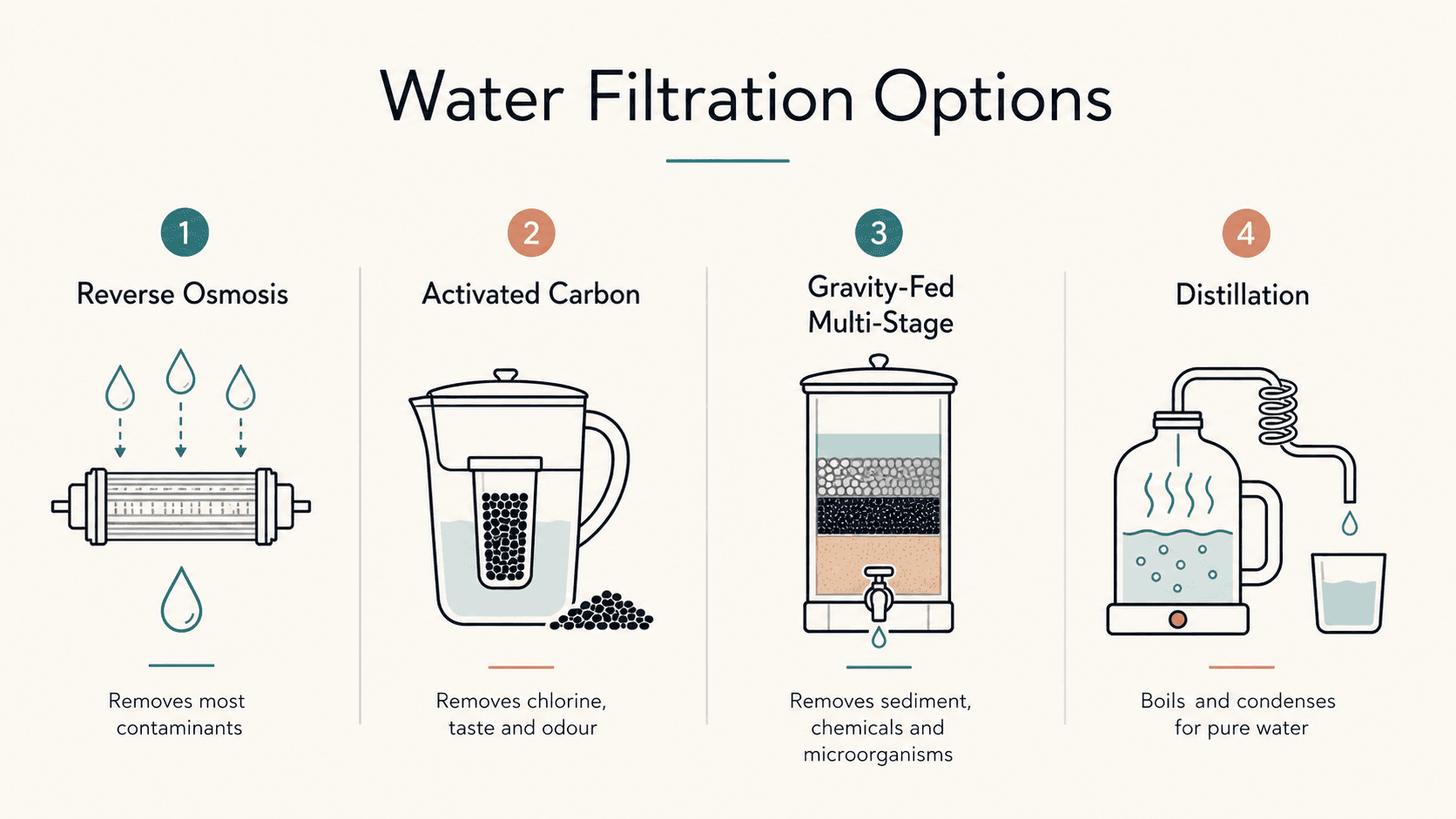
Reverse Osmosis (RO) Systems. Reverse osmosis is the gold standard for home water purification. RO systems force water through a semipermeable membrane with pores small enough to remove virtually all contaminants including chlorine, fluoride, heavy metals, pesticides, pharmaceutical residues, microplastics, and bacteria. The result is water that is as close to pure H2O as you can get outside of a laboratory. The one consideration with RO is that it also removes beneficial minerals. I recommend pairing an RO system with a remineralisation stage (many modern systems include this) or adding trace mineral drops to your filtered water to restore calcium, magnesium, and other essential electrolytes. RO systems are an investment, but for anyone serious about reducing their toxic load, they are the most effective option available for home use (16).
Activated Carbon Filters (Brita, Jug Filters). Carbon filters are the most common and affordable option. They are effective at removing chlorine, some organic compounds, and improving taste and odour. However, standard carbon jug filters do not remove fluoride, heavy metals, pharmaceutical residues, or microplastics. They are better than nothing and a reasonable starting point if budget is a constraint, but they are not a comprehensive solution. If you use a carbon jug filter, change the cartridge regularly as recommended by the manufacturer, as exhausted filters can become a breeding ground for bacteria.
Gravity-Fed Multi-Stage Filters. Systems like the Berkey and similar gravity-fed units use multiple filtration stages including activated carbon and ion exchange media. They remove a broader range of contaminants than simple jug filters, including chlorine, heavy metals, pesticides, and some pharmaceutical residues. Some models offer optional fluoride removal filters. They require no plumbing or electricity and are a practical middle-ground option for those who want better filtration than a jug but are not ready to invest in a full RO system.
Distillation. Water distillers heat water to boiling point, capture the steam, and condense it back into liquid, leaving behind contaminants with higher boiling points. Distillation removes virtually all inorganic contaminants, heavy metals, and most organic compounds. Like RO, distilled water is stripped of minerals and should be remineralised before regular consumption. Distillers are effective but slow, typically producing only a few litres per cycle, making them less practical for families or high-volume use.
Whole-House Filtration Systems. For those who want to address water quality comprehensively, whole-house filtration systems treat all the water entering your home, including shower water and cooking water. Chlorine and contaminants are absorbed through the skin during bathing, so filtering only your drinking water addresses only part of the exposure. Whole-house systems typically combine sediment filtration, activated carbon, and sometimes KDF media to remove chlorine, heavy metals, and organic compounds at the point of entry.
Top Tips for Reducing Your Toxic Load Through Better Water
Invest in a Reverse Osmosis System if Your Budget Allows. It is the single most effective step you can take for water quality at home. Modern countertop RO units are more affordable than ever and require minimal installation. Pair it with a remineralisation filter or add trace mineral drops to ensure you are not losing essential electrolytes.
At Minimum, Use an Activated Carbon Filter. Even a basic Brita-style jug filter removes chlorine and improves the taste and safety of your tap water. It is not perfect, but it is a significant improvement over unfiltered tap water and costs very little to maintain. Any filtration is better than none.
Filter Your Shower Water. Your skin is your largest organ and it absorbs chemicals from the water you bathe in. A simple shower filter that removes chlorine is an inexpensive upgrade that reduces your daily chemical exposure. This is especially relevant for clients with sensitive skin, eczema, or respiratory conditions.
Carry Filtered Water With You. Fill a glass or stainless steel bottle with your filtered water each morning and take it with you. This reduces your reliance on tap water from public sources, plastic bottled water (which carries its own microplastic and chemical concerns), and ensures you are hydrating with clean water throughout the day.
Let Tap Water Stand Before Drinking if You Have No Filter. If you are in a situation where you have no filtration available, filling a jug of tap water and leaving it uncovered for 30 minutes to an hour allows a significant portion of the dissolved chlorine to off-gas. This is not a substitute for proper filtration, but it reduces chlorine content meaningfully and is better than drinking straight from the tap.
Avoid Plastic Bottled Water as Your Primary Source. Plastic bottles leach microplastics and chemical compounds including BPA and phthalates into the water, particularly when exposed to heat or stored for extended periods (17). If you buy bottled water, choose glass bottles. For daily hydration, filtered tap water in a reusable glass or stainless steel bottle is a cheaper, healthier, and more environmentally responsible solution.
Remineralise Your Filtered Water. If you use reverse osmosis or distilled water, add trace mineral drops or a pinch of high-quality Himalayan or Celtic sea salt to restore essential minerals like magnesium, calcium, and potassium. These minerals support hydration at the cellular level, muscle function, nerve signalling, and electrolyte balance. Pure water without minerals is effectively “empty” and your body benefits from the mineral content that natural water sources provide.
Think About Water Quality as Part of Your Overall Toxic Load Strategy. Water is one piece of the puzzle. Reducing your exposure to pesticides through organic food choices where possible, minimising the use of chemical-laden personal care and cleaning products, improving indoor air quality, and managing stress all contribute to lowering your total toxic burden. The body is remarkably resilient when the load is manageable. The goal is to keep the load within a range your detoxification systems can handle.
The Bottom Line
The water you drink is not a neutral substance. It is either supporting your health or quietly working against it. Municipal tap water, while safe from acute infectious disease, contains a cocktail of chemical contaminants that contribute to oxidative stress, chronic inflammation, hormonal disruption, and increased toxic load over a lifetime of daily consumption. Natural water sources, filtered through the earth itself, have sustained human health for millennia. The Namdhari Sikh tradition of valuing water from wells and natural springs is rooted in a wisdom that modern science increasingly validates. For those of us living in cities without access to natural sources, investing in effective water filtration is one of the simplest, most impactful, and most overlooked steps you can take toward better health.
This is not about fear. It is about awareness and informed choice. You control what goes into your body. You choose the quality of your food, your supplements, and your training. The quality of your water deserves the same intentionality. Clean water supports cleaner cellular function, lower inflammation, better hormonal health, a stronger immune system, and a body that is better equipped to train, recover, and thrive.
If you want a comprehensive health, nutrition, and lifestyle plan that goes beyond macros and training programmes, one that considers every factor contributing to your body’s ability to function at its best, get in touch through trperformancecoaching.com. I work one-to-one with clients online globally, across every dietary background and health goal. The details matter. And the water you drink is one of those details.
Work with Me
Get a personalised coaching plan built around your goals, your schedule, and your life.
Enquire NowReferences
- Drinking Water Inspectorate. Drinking Water 2022: Chief Inspector’s Report for England. London: DWI; 2023.
- Kosuth M, Mason SA, Wattenberg EV. Anthropogenic contamination of tap water, beer, and sea salt. PLoS ONE. 2018; 13(4): e0194970.
- Genuis SJ. Elimination of persistent toxicants from the human body. Human and Experimental Toxicology. 2011; 30(1): 3-18.
- Villanueva CM, Cantor KP, Cordier S, et al. Disinfection byproducts and bladder cancer: a pooled analysis. Epidemiology. 2004; 15(3): 357-367.
- Richardson SD, Plewa MJ, Wagner ED, Schoeny R, DeMarini DM. Occurrence, genotoxicity, and carcinogenicity of regulated and emerging disinfection by-products in drinking water. Mutation Research. 2007; 636(1-3): 178-242.
- Navas-Acien A, Guallar E, Silbergeld EK, Rothenberg SJ. Lead exposure and cardiovascular disease: a systematic review. Environmental Health Perspectives. 2007; 115(3): 472-482.
- Bondy SC. Low levels of aluminum can lead to behavioral and morphological changes associated with Alzheimer’s disease. NeuroToxicology. 2016; 52: 222-229.
- National Research Council. Fluoride in Drinking Water: A Scientific Review of EPA’s Standards. Washington DC: National Academies Press; 2006.
- Choi AL, Sun G, Zhang Y, Grandjean P. Developmental fluoride neurotoxicity: a systematic review and meta-analysis. Environmental Health Perspectives. 2012; 120(10): 1362-1368.
- Green R, Lanphear B, Hornung R, et al. Association between maternal fluoride exposure during pregnancy and IQ scores in offspring in Canada. JAMA Pediatrics. 2019; 173(10): 940-948.
- Cosselman KE, Navas-Acien A, Kaufman JD. Environmental factors in cardiovascular disease. Nature Reviews Cardiology. 2015; 12(11): 627-642.
- Järup L. Hazards of heavy metal contamination. British Medical Bulletin. 2003; 68(1): 167-182.
- Diamanti-Kandarakis E, Bourguignon JP, Giudice LC, et al. Endocrine-disrupting chemicals: an Endocrine Society scientific statement. Endocrine Reviews. 2009; 30(4): 293-342.
- Luh J, Mariñas BJ. Bromide ion effect on N-nitrosodimethylamine formation by monochloramine. Environmental Science and Technology. 2012; 46(9): 5085-5092.
- López-Otín C, Blasco MA, Partridge L, Serrano M, Kroemer G. The hallmarks of aging. Cell. 2013; 153(6): 1194-1217.
- Siddiqui A, Parveen F, Umar MF, Ahmad S. Performance evaluation of reverse osmosis membranes for removal of contaminants from drinking water. Desalination and Water Treatment. 2019; 165: 44-52.
- Mason SA, Welch VG, Neratko J. Synthetic polymer contamination in bottled water. Frontiers in Chemistry. 2018; 6: 407.