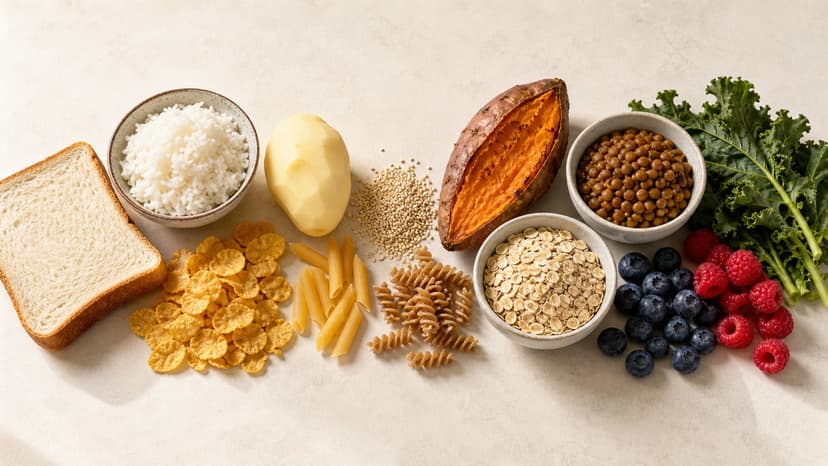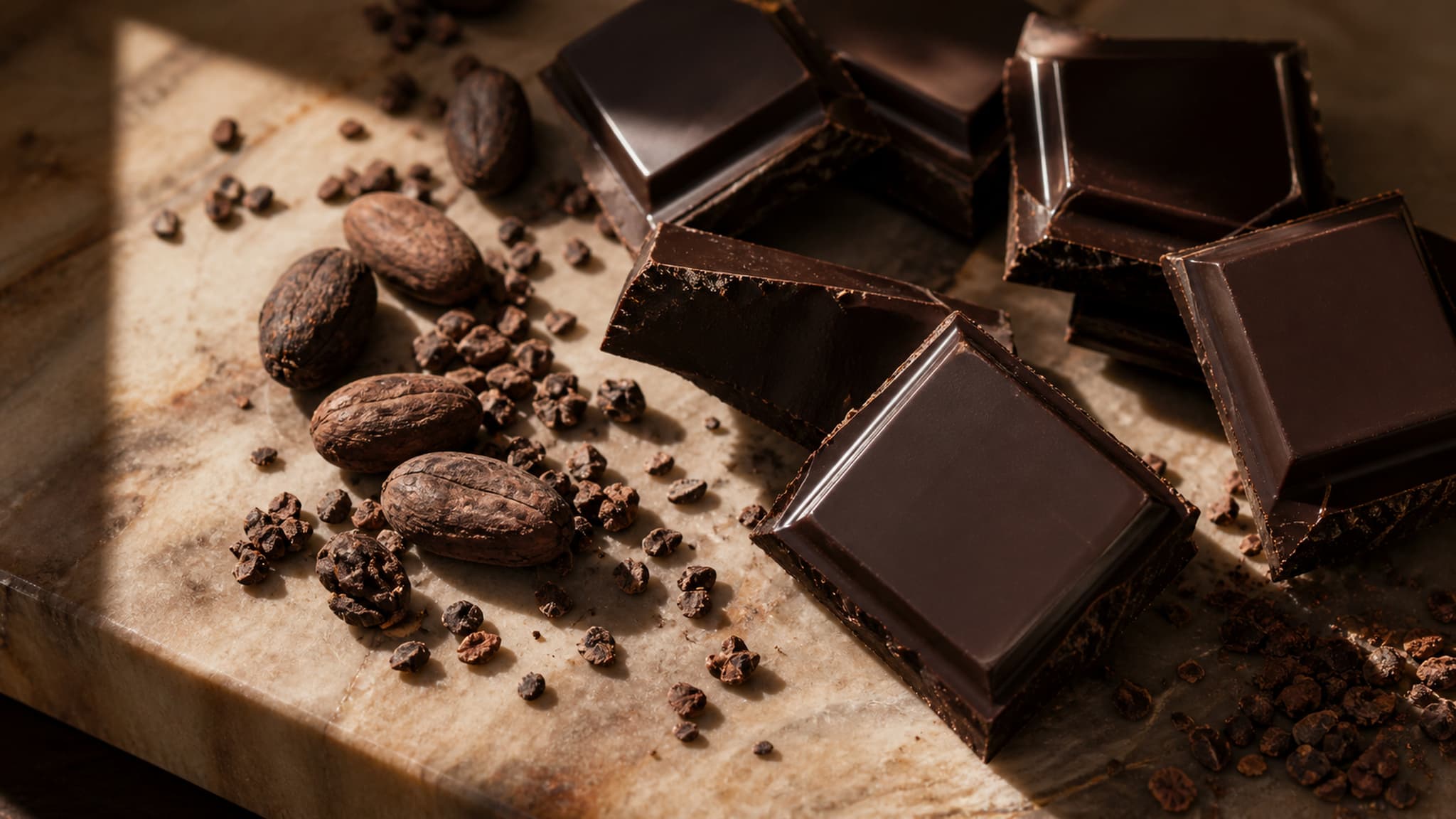
If I told most of my clients that chocolate could be part of their fat loss plan, they would assume I had lost the plot. Chocolate is one of those foods that sits permanently on the ‘guilty pleasure’ list. Something you eat when you have fallen off the wagon. Something you hide in the cupboard and feel bad about afterwards. But here is the thing. Not all chocolate is created equal, and the right type of dark chocolate, consumed in the right amounts, is not only compatible with a fat loss goal. It is genuinely good for your health. I am not talking about a Dairy Milk bar or a bag of chocolate buttons. I am talking about high-quality dark chocolate with a cocoa content of 70 percent or above. The science behind it is real, the benefits are measurable, and it has a legitimate place in a well-structured nutrition plan.
I include dark chocolate in the plans of many of my clients, including those in aggressive fat loss phases. That surprises people. But when you understand what dark chocolate actually contains, why it affects the body the way it does, and how to use it intelligently, the surprise fades. This is not about giving you permission to binge on chocolate. It is about showing you how one of the most demonised foods in the dieting world can actually support your goals when you stop fearing it and start understanding it.
What Makes Dark Chocolate Different
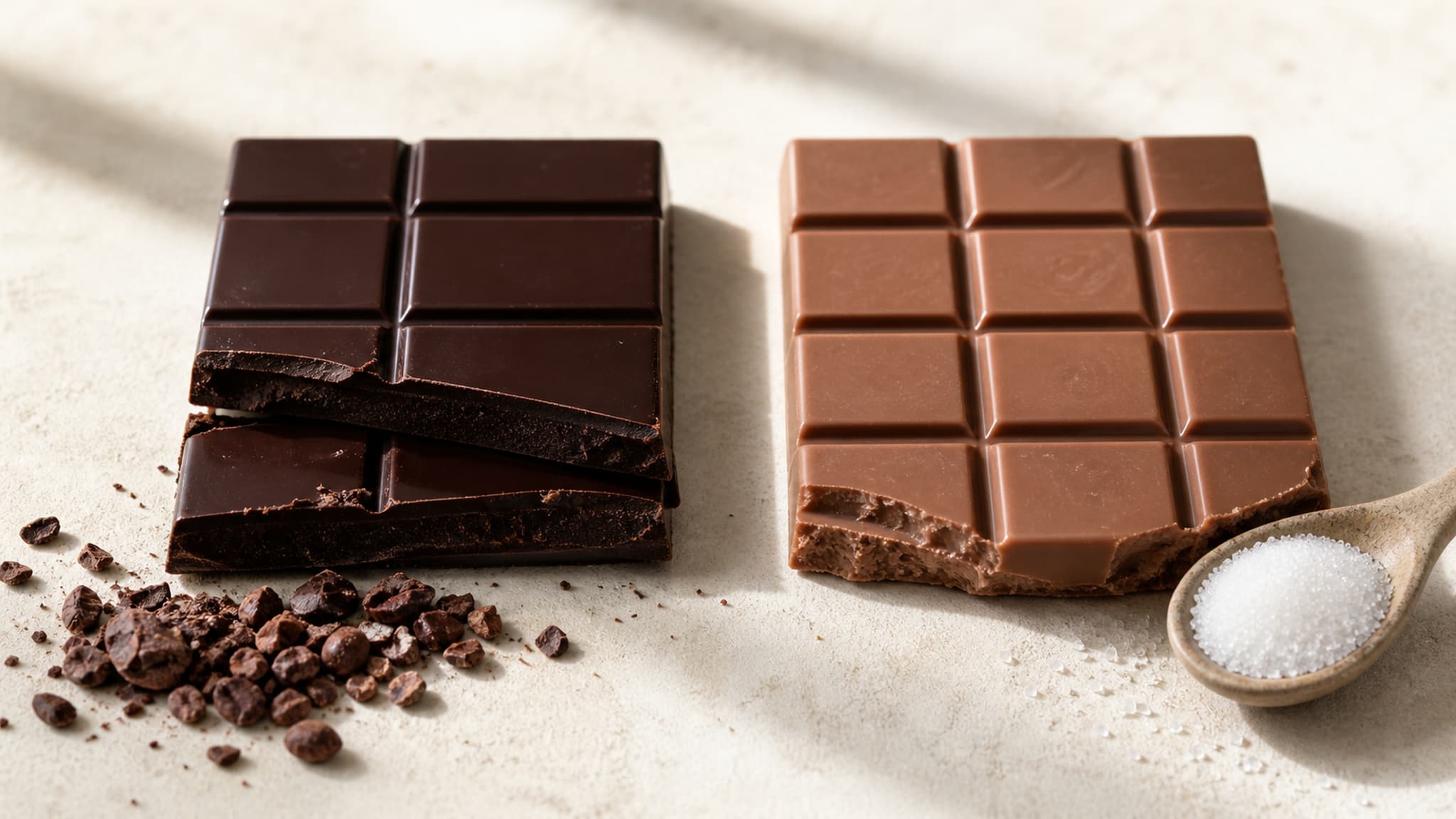
The difference between dark chocolate and the milk chocolate most people consume comes down to one thing: cocoa content. Milk chocolate typically contains 20 to 30 percent cocoa solids, with the rest made up of sugar, milk powder, and fat. Dark chocolate with 70 percent cocoa or above contains significantly more cocoa solids and cocoa butter, and significantly less sugar. The higher the cocoa percentage, the greater the concentration of bioactive compounds that deliver the health benefits. These compounds include flavanols (a subclass of polyphenols), theobromine, magnesium, iron, copper, manganese, and fibre. (1) A 30-gram serving of 85 percent dark chocolate contains roughly 3 to 4 grams of fibre, which is more than many people realise. It is the cocoa itself that holds the value. The sugar and milk solids found in lower-quality chocolate dilute and diminish those benefits.
Cocoa is one of the richest dietary sources of flavanols found in nature. These polyphenolic compounds are powerful antioxidants with anti-inflammatory, cardioprotective, and metabolic effects that have been studied extensively in peer-reviewed research. (2) When you eat a square of high-quality dark chocolate, you are not just eating a treat. You are consuming a concentrated source of bioactive plant compounds with measurable physiological effects. That is a fundamentally different proposition from eating a sugar-loaded confectionery bar, and it is the distinction that most people miss.
The Flavanol Effect: Why Cocoa Is a Genuine Health Food
The flavanols in dark chocolate, particularly epicatechin, have been the subject of hundreds of studies. Their effects on cardiovascular health are the most well-established. A meta-analysis published in the BMJ found that higher levels of chocolate consumption were associated with a significant reduction in the risk of cardiovascular disease, stroke, and diabetes. (3) The mechanism is well understood. Cocoa flavanols stimulate the production of nitric oxide in the endothelium (the lining of your blood vessels), which causes vasodilation, the relaxation and widening of blood vessels. This reduces blood pressure, improves blood flow, and decreases the workload on the heart. (4)
For my clients with hypertension or borderline blood pressure, this is directly relevant. A meta-analysis published in the Cochrane Database of Systematic Reviews confirmed that cocoa products rich in flavanols produce a small but statistically significant reduction in both systolic and diastolic blood pressure. (5) This is not a replacement for medication or lifestyle changes. But as part of a comprehensive approach that includes resistance training, improved nutrition, stress management, and appropriate supplementation, the flavanols in dark chocolate contribute to a more favourable cardiovascular profile. I work with a number of clients whose GPs have reduced their blood pressure medication as a result of the lifestyle changes we have implemented together, and intelligent dietary choices like including cocoa-rich foods are part of that picture.
Dark Chocolate and Insulin Sensitivity
This is where the fat loss connection starts to become clear. Insulin sensitivity is one of the most important metabolic markers for anyone trying to lose body fat. When your cells are insulin sensitive, they respond efficiently to insulin, glucose is cleared from the bloodstream effectively, and your body is better equipped to use stored fat for energy rather than storing more. When insulin sensitivity is impaired, the opposite happens. Blood sugar regulation deteriorates, fat storage increases (particularly around the midsection), cravings intensify, and energy levels fluctuate throughout the day.
Research has shown that cocoa flavanols improve insulin sensitivity. A study published in the American Journal of Clinical Nutrition found that daily consumption of flavanol-rich cocoa for 15 days significantly improved insulin sensitivity in healthy individuals as measured by the HOMA-IR index. (6) Another study published in the Journal of Nutrition found that dark chocolate consumption improved glucose metabolism and reduced insulin resistance in hypertensive patients with impaired glucose tolerance. (7) For clients managing type 2 diabetes, PCOS, or metabolic syndrome, all conditions characterised by insulin resistance, this is a meaningful dietary consideration. Improving insulin sensitivity makes every other aspect of a fat loss plan more effective. Your deficit works harder. Your energy is more stable. Your cravings are more manageable. And a small daily serving of high-quality dark chocolate can contribute to that improvement.
How Dark Chocolate Supports Fat Loss Indirectly
Dark chocolate does not burn fat. I want to be clear about that because the internet is full of misleading headlines suggesting otherwise. What it does is support a metabolic and psychological environment that makes fat loss easier to sustain. Beyond the insulin sensitivity benefits, there are several indirect mechanisms worth understanding.
The first is satiety. Dark chocolate with a high cocoa content is rich, intense, and deeply satisfying in a way that milk chocolate is not. A study published in Nutrition and Diabetes found that dark chocolate was more satiating than milk chocolate, reduced cravings for sweet, salty, and fatty foods, and led to lower subsequent calorie intake at the next meal. (8) When you eat two squares of 85 percent dark chocolate after dinner, the intensity of the flavour and the fat content signal satisfaction to your brain in a way that a low-calorie ‘diet’ snack simply does not. You eat less because you feel genuinely satisfied, not because you are white-knuckling your way through another evening of deprivation.
The second mechanism is the effect on cortisol and stress. Chronic stress and elevated cortisol are significant barriers to fat loss, particularly visceral fat loss around the midsection. Research published in the Journal of Proteome Research found that consuming 40 grams of dark chocolate daily for two weeks reduced urinary cortisol and catecholamine levels in highly stressed individuals. (9) Lower cortisol means less stress-driven fat storage, fewer cravings for hyperpalatable foods, and a more favourable hormonal environment for fat mobilisation. This is not a dramatic, overnight effect. It is a subtle but real physiological shift that, combined with proper training, nutrition, and sleep, supports the overall fat loss process.
The third is gut health. Cocoa flavanols act as prebiotics in the gut, selectively promoting the growth of beneficial bacteria including Bifidobacteria and Lactobacilli while inhibiting the growth of potentially pathogenic species. (10) As I have written about extensively, gut health influences everything from inflammation and insulin sensitivity to mood, cravings, and appetite regulation. A small daily serving of dark chocolate is feeding your gut microbiome in a positive direction, which supports the broader metabolic environment you are trying to create for fat loss.

The Magnesium Bonus
Dark chocolate is one of the richest dietary sources of magnesium available. A 30-gram serving of 85 percent dark chocolate provides approximately 50 to 60 milligrams of magnesium, which is roughly 15 percent of the recommended daily intake. (1) As I covered in my article on magnesium, this mineral is involved in over 300 enzymatic reactions in the body, including energy production, muscle function, sleep quality, blood pressure regulation, and insulin sensitivity. Magnesium deficiency is extremely common, particularly among people who train regularly, and dark chocolate offers a convenient and enjoyable way to contribute toward your daily intake alongside dedicated supplementation and magnesium-rich whole foods.
How Much Dark Chocolate Should You Eat
This is the part where moderation matters. Dark chocolate is nutrient-dense but also calorie-dense. A 30-gram serving of 85 percent dark chocolate contains approximately 170 to 180 calories, 12 to 13 grams of fat, 7 to 8 grams of carbohydrates, and 3 to 4 grams of fibre. In the context of a well-structured nutrition plan with a defined calorie target, 20 to 30 grams per day is the sweet spot for most of my clients. That is roughly two to three small squares depending on the brand. Enough to deliver the flavanol and mineral benefits, enough to satisfy a chocolate craving, and small enough to fit comfortably within a calorie deficit without displacing other important foods.
The key is accounting for it in your daily calories, not eating it on top of everything else. When I include dark chocolate in a client’s plan, it is budgeted. It sits within their fat and carbohydrate macros for the day, usually as an evening snack after dinner. It is not a free food. It is a strategic inclusion that delivers both nutritional benefits and psychological satisfaction. That second point matters more than most people give it credit for. A nutrition plan that includes foods you genuinely enjoy is a plan you can sustain. And sustainability is what produces long-term results.
What to Look for When Buying Dark Chocolate
Cocoa Content of 70 Percent or Above. This is the non-negotiable starting point. The higher the cocoa percentage, the greater the concentration of flavanols and minerals, and the lower the sugar content. I recommend 80 to 85 percent for most clients as the balance between health benefits and palatability. If you are new to dark chocolate, start at 70 percent and gradually work your way up as your palate adjusts. Most people find that after a few weeks, milk chocolate tastes overwhelmingly sweet.
Short Ingredient List. High-quality dark chocolate should contain cocoa mass, cocoa butter, and a small amount of sugar. That is essentially it. Some brands include vanilla or soy lecithin as an emulsifier, which is fine. Avoid products with vegetable oils, artificial flavourings, excessive sugar, or long lists of additives. The simpler the ingredient list, the better the product.
Avoid ‘Dutched’ or Alkalized Cocoa Where Possible. Dutch processing is a technique that treats cocoa with an alkalising agent to reduce bitterness and darken the colour. The problem is that it also significantly reduces the flavanol content, which is the primary source of the health benefits. (11) Not all brands disclose whether their cocoa is Dutch-processed, but those that specifically mention ‘natural’ or ‘unprocessed’ cocoa are generally a safer bet.
Consider Single-Origin and Craft Brands. Single-origin dark chocolates from reputable craft producers tend to have higher flavanol content, better quality cocoa, and more transparent sourcing than mass-market alternatives. They cost a little more, but when you are eating 20 to 30 grams per day rather than an entire bar, the cost difference per serving is negligible. Brands that specify their cocoa origin and processing methods are generally producing a superior product.
Top Tips for Including Dark Chocolate in Your Fat Loss Plan
Budget It Into Your Daily Calories. Dark chocolate is not a free addition. It needs to sit within your total calorie and macronutrient targets for the day. Treat it as part of your plan, not an extra. When it is accounted for, it causes no issues whatsoever with fat loss progress.
Use It as Your Evening Satisfaction Fix. For clients who struggle with evening cravings or the urge to snack after dinner, two squares of 85 percent dark chocolate with a cup of herbal tea or black coffee is a remarkably effective strategy. The rich, intense flavour provides genuine satisfaction that low-calorie ‘diet’ alternatives never deliver. It closes the meal with a sense of completion rather than deprivation.
Pair It With Other Nutrient-Dense Foods. Dark chocolate pairs beautifully with a handful of almonds or walnuts (adding healthy fats, protein, and additional magnesium), with fresh berries (adding fibre and antioxidants), or with Greek yoghurt or coconut yoghurt for a genuinely satisfying dessert that supports your goals rather than undermining them.
Do Not Keep a Full Bar Within Arm’s Reach. Pre-portion your daily amount and put the rest away. Even the most disciplined person can be tempted to eat more when a full bar is sitting open on the kitchen counter. Break off your two squares, put the bar back in the cupboard, and sit down to enjoy them intentionally. This is about mindful inclusion, not mindless grazing.
Let Your Palate Adjust. If you are used to milk chocolate, 85 percent dark chocolate will taste bitter at first. That is normal. Give it two to three weeks of consistent exposure and your palate will adapt. Most clients tell me that after a month, they find milk chocolate sickeningly sweet and actively prefer the depth and complexity of dark chocolate. Your taste buds are trainable. Trust the process.
The Bottom Line
Dark chocolate is not a cheat food. It is not something you need to feel guilty about. When chosen wisely and consumed in appropriate amounts, it is a genuinely health-promoting food that delivers cardiovascular benefits, improves insulin sensitivity, provides prebiotic fibre for your gut, supplies meaningful amounts of magnesium, reduces cortisol, enhances satiety, and makes your nutrition plan more enjoyable and sustainable. Two to three squares of 70 to 85 percent dark chocolate per day, budgeted into your calories, is one of the simplest and most pleasant upgrades you can make to your diet. Stop fearing chocolate. Start understanding it.
If you want a nutrition plan that includes foods you actually enjoy, supports your health, and still delivers real fat loss results, get in touch through TR Performance Coaching. I work one-to-one with clients online globally. Whether you eat meat, are vegetarian, vegan, or somewhere in between, I will build a plan that fits your life and gets you where you want to be.
Work with Me
Get a personalised coaching plan built around your goals, your schedule, and your life.
Enquire NowReferences
- United States Department of Agriculture. FoodData Central: Dark Chocolate, 70-85% Cacao Solids. USDA Agricultural Research Service. 2019.
- Katz DL, Doughty K, Ali A. Cocoa and chocolate in human health and disease. Antioxidants and Redox Signaling. 2011; 15(10): 2779-2811.
- Buitrago-Lopez A, Sanderson J, Johnson L, et al. Chocolate consumption and cardiometabolic disorders: systematic review and meta-analysis. BMJ. 2011; 343: d4488.
- Corti R, Flammer AJ, Hollenberg NK, Lüscher TF. Cocoa and cardiovascular health. Circulation. 2009; 119(10): 1433-1441.
- Ried K, Fakler P, Stocks NP. Effect of cocoa on blood pressure. Cochrane Database of Systematic Reviews. 2017; 4(4): CD008893.
- Grassi D, Lippi C, Necozione S, Desideri G, Ferri C. Short-term administration of dark chocolate is followed by a significant increase in insulin sensitivity and a decrease in blood pressure in healthy persons. American Journal of Clinical Nutrition. 2005; 81(3): 611-614.
- Grassi D, Desideri G, Necozione S, et al. Blood pressure is reduced and insulin sensitivity increased in glucose-intolerant, hypertensive subjects after 15 days of consuming high-polyphenol dark chocolate. Journal of Nutrition. 2008; 138(9): 1671-1676.
- Sørensen LB, Astrup A. Eating dark and milk chocolate: a randomized crossover study of effects on appetite and energy intake. Nutrition and Diabetes. 2011; 1(12): e21.
- Martin FP, Rezzi S, Père-Trepat E, et al. Metabolic effects of dark chocolate consumption on energy, gut microbiota, and stress-related metabolism in free-living subjects. Journal of Proteome Research. 2009; 8(12): 5568-5579.
- Tzounis X, Rodriguez-Mateos A, Vuber J, et al. Prebiotic evaluation of cocoa-derived flavanols in healthy humans by using a randomized, controlled, double-blind, crossover intervention study. American Journal of Clinical Nutrition. 2011; 93(1): 62-72.
- Miller KB, Hurst WJ, Payne MJ, et al. Impact of alkalization on the antioxidant and flavanol content of commercial cocoa powders. Journal of Agricultural and Food Chemistry. 2008; 56(18): 8527-8533.