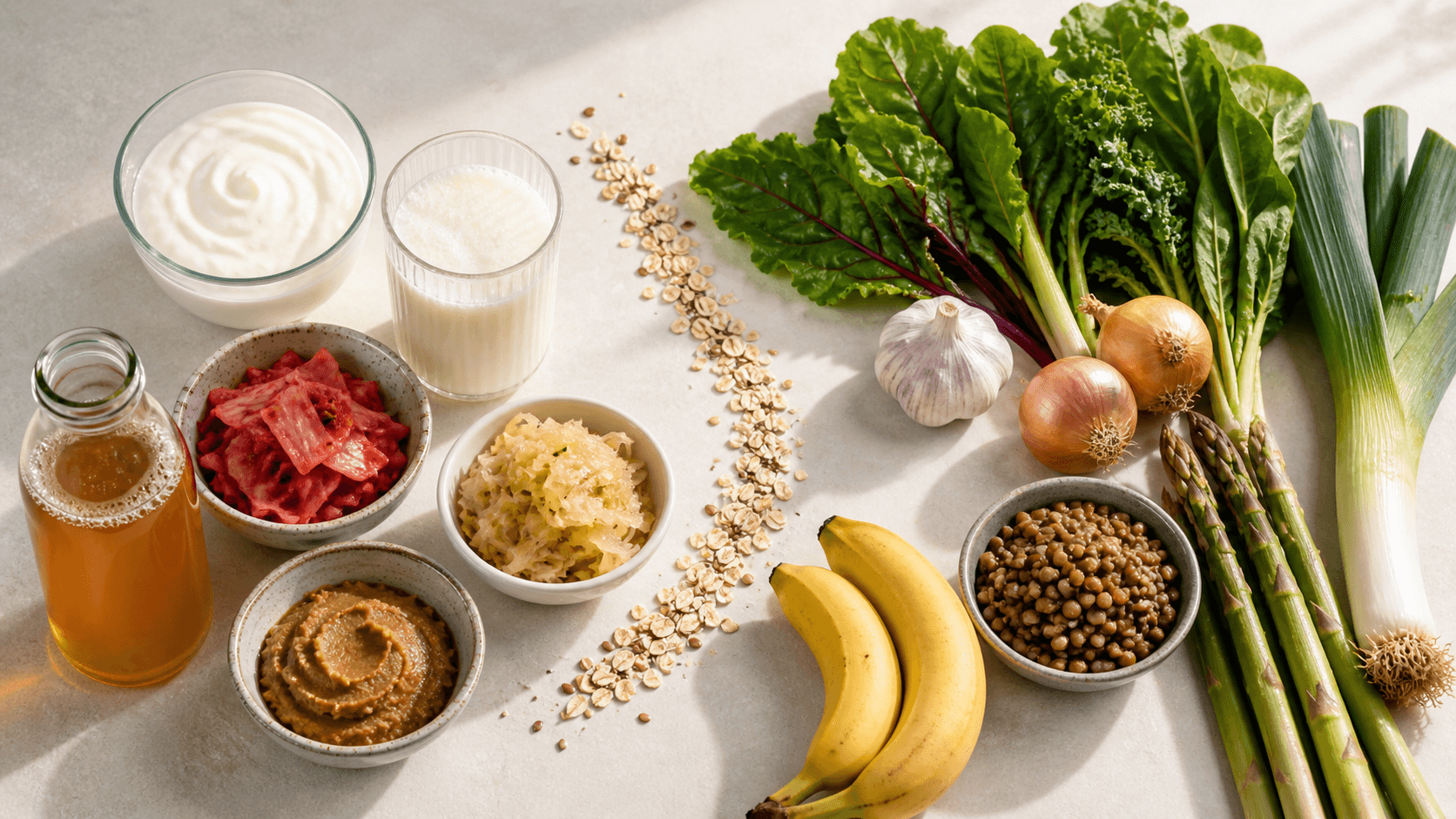
Most people think of gut health as a digestion issue. Bloating, gas, discomfort after meals. Something you deal with by popping an antacid or avoiding certain foods. But your gut is doing far more than breaking down last night's dinner. It is communicating directly with your brain. It is influencing your mood, your motivation, your stress response, your sleep quality, your appetite, your cravings, and your ability to stick to a nutrition plan. If you have ever felt anxious for no clear reason, struggled with low mood that does not lift, found yourself unable to resist cravings despite your best intentions, or hit a wall with fat loss even though your calories and training are dialled in, your gut could be a bigger factor than you realise.
The more I learn about the gut and its connection to mental health, the more I realise how many of the barriers my clients face are not just about willpower or discipline. They are about biology. A gut that is not functioning well sends signals to the brain that make everything harder. Harder to stay consistent. Harder to manage stress. Harder to sleep. Harder to make good food decisions. And the cycle feeds itself, because poor food decisions damage the gut further. Understanding this connection is not optional if you are serious about transforming your body and your health. It is foundational.
The Gut-Brain Axis: What It Is and Why It Matters
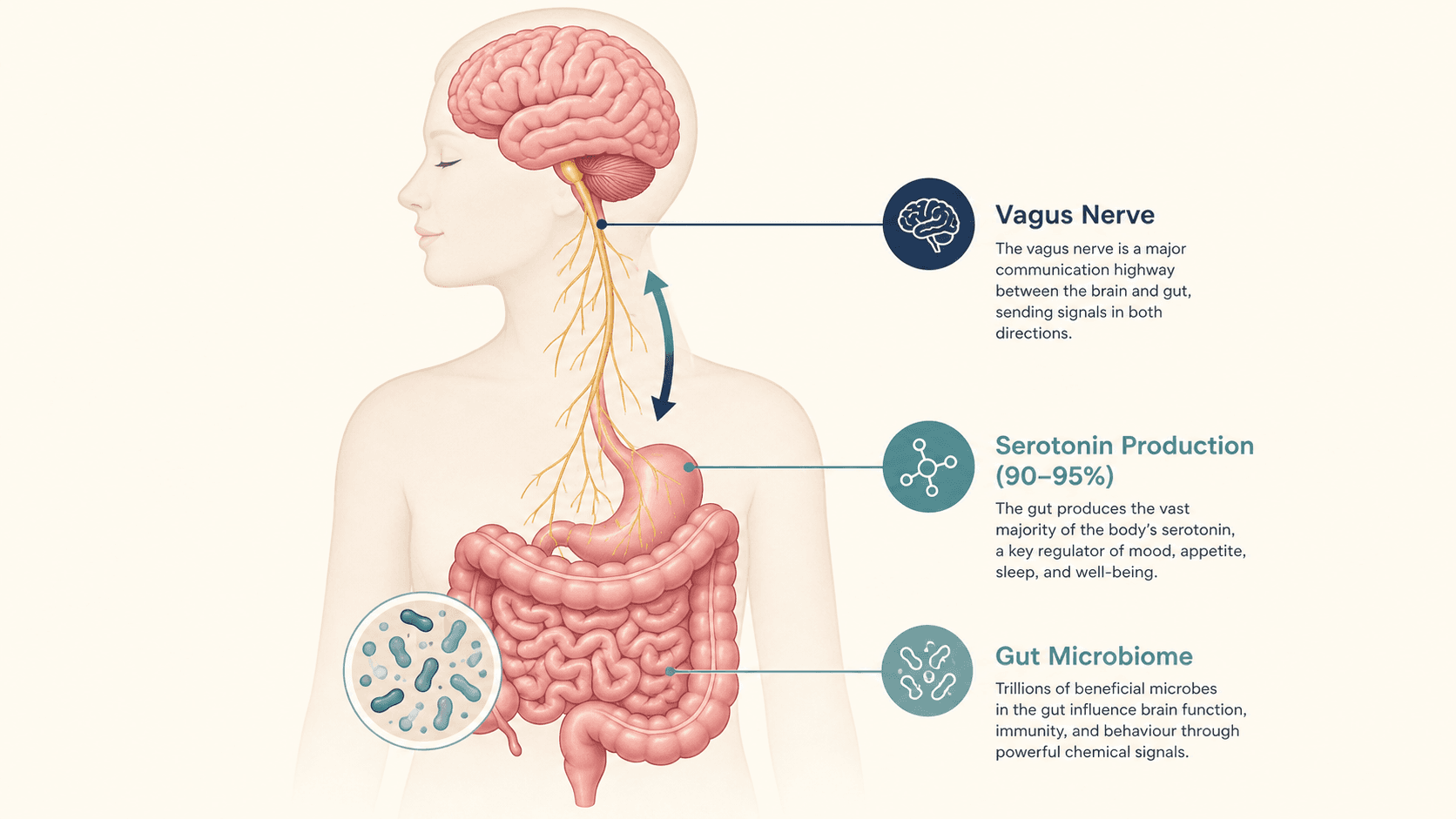
The gut-brain axis is a bidirectional communication network linking your gastrointestinal tract to your central nervous system. It operates through multiple pathways including the vagus nerve (the longest cranial nerve in the body, running directly from the brainstem to the abdomen), the immune system, the endocrine system, and metabolites produced by the trillions of bacteria living in your gut (1). This is not theoretical. It is one of the most actively researched areas in modern medicine, and the findings are reshaping how we think about mental health, metabolic disease, obesity, and even neurodegenerative conditions.
Your gut contains roughly 100 trillion microorganisms, collectively known as the gut microbiome. These bacteria are not passive passengers. They produce neurotransmitters, short-chain fatty acids, vitamins, and immune-signalling molecules that directly influence brain function. The composition of your microbiome, meaning which species are present, in what quantities, and in what balance, has been shown to affect mood, cognition, stress reactivity, and behaviour (2). When the microbiome is diverse and balanced, these signals support stable mood, clear thinking, and controlled appetite. When it is disrupted, the signals change, and so does how you feel, think, and eat.
Your Gut Makes Most of Your Serotonin
Here is a fact that surprises almost every client I share it with. Approximately 90 to 95 percent of your body's serotonin is produced in the gut, not the brain (3). Serotonin is the neurotransmitter most closely associated with mood regulation, feelings of wellbeing, sleep, and appetite control. When serotonin production is impaired, you are more susceptible to low mood, anxiety, poor sleep, and increased cravings for high-sugar, high-fat foods. The bacteria in your gut play a direct role in serotonin synthesis. Certain species of gut bacteria, particularly from the Enterochromaffin cells lining the intestinal wall, stimulate serotonin production. When the microbiome is disrupted through poor diet, chronic stress, antibiotic use, or lack of dietary fibre, serotonin production can be compromised (4).
This is where gut health stops being a digestion conversation and becomes a mental health conversation. If you are walking around with a gut environment that is not supporting adequate serotonin production, you are fighting an uphill battle with your mood and your food choices every single day. No amount of motivational quotes or discipline hacks will override a neurochemical deficit. You have to fix the underlying biology.
Gut Dysbiosis, Inflammation, and the Fat Loss Connection
Gut dysbiosis is the term used to describe an imbalance in the microbial community of the gut, typically characterised by reduced diversity, a decrease in beneficial species, and an overgrowth of potentially harmful bacteria. Research published in Nature has demonstrated that the gut microbiome composition differs significantly between lean individuals and those with obesity, and that these differences are not merely a consequence of body weight but actively contribute to metabolic dysfunction (5). When the gut lining is compromised, a condition often referred to as increased intestinal permeability or “leaky gut,” bacterial endotoxins (specifically lipopolysaccharides) can enter the bloodstream and trigger a chronic, low-grade inflammatory response (6).
This systemic inflammation is a major barrier to fat loss. It impairs insulin sensitivity, promotes fat storage (particularly visceral fat around the organs), disrupts leptin signalling (the hormone that tells your brain you are full), and increases cortisol output (7). I have worked with clients who were doing everything right on paper. Calories were accurate. Training was consistent. Sleep was reasonable. But progress had stalled. In many of these cases, addressing gut health through targeted dietary changes and supplementation was the intervention that broke through the plateau. The gut was the missing piece.
Stress, Cortisol, and the Gut: A Vicious Cycle
The relationship between stress and gut health runs in both directions, and this is where many people get trapped in a cycle they cannot see. Psychological stress directly alters gut motility, increases intestinal permeability, and shifts the composition of the microbiome toward a less favourable profile (8). At the same time, a disrupted gut sends inflammatory signals back to the brain via the vagus nerve and the immune system, increasing anxiety and stress reactivity. So stress damages the gut, and a damaged gut amplifies stress. For clients who are under chronic pressure at work, managing family demands, sleeping poorly, and trying to transform their body at the same time, this cycle can be the invisible force undermining everything.
A study published in Psychoneuroendocrinology found that supplementation with specific probiotic strains (Lactobacillus helveticus and Bifidobacterium longum) significantly reduced self-reported psychological distress and cortisol levels in healthy volunteers compared to placebo (9). This does not mean a probiotic capsule will cure your anxiety. But it does mean that the state of your gut is a legitimate variable in your stress response, and that improving gut health through diet and targeted supplementation can have measurable effects on how you cope with the demands of daily life.

What Damages Gut Health
Before I tell you what to do, it helps to understand what is working against you. The modern Western lifestyle is a perfect storm for gut disruption. Ultra-processed foods, which now make up over 50 percent of the average British diet, are low in fibre and high in emulsifiers, artificial sweeteners, and preservatives that have been shown to negatively alter gut microbiome composition (10). Chronic stress, as discussed, directly damages the gut lining and shifts microbial populations. Antibiotic use, while sometimes medically necessary, can wipe out large portions of the beneficial microbiome, and recovery can take months or even years without deliberate intervention (11). Excessive alcohol consumption damages the intestinal barrier and promotes the growth of pathogenic bacteria. Poor sleep disrupts circadian rhythms that influence microbial activity. Even lack of dietary variety, eating the same foods every day, limits the diversity of your microbiome.
For many of my clients, the damage has been accumulating over years or decades. They have eaten a narrow range of foods, relied on processed convenience meals, taken multiple courses of antibiotics, lived under chronic stress, and never given a second thought to their gut. The good news is that the microbiome is remarkably responsive to change. Research shows that significant shifts in microbial composition can occur within days of dietary changes (12). You are not stuck with the gut you have. But you do need to be intentional about improving it.
How to Improve Your Gut Health: Practical Steps
The single most important thing you can do for your gut is eat more fibre from a wide variety of plant sources. Dietary fibre is the primary fuel source for beneficial gut bacteria. When these bacteria ferment fibre, they produce short-chain fatty acids (particularly butyrate, propionate, and acetate) that nourish the gut lining, reduce inflammation, improve insulin sensitivity, and support immune function (13). Most adults in the UK consume around 18 grams of fibre per day. The recommended intake is 30 grams. Most of my clients should be aiming higher than that, particularly if they are training regularly and trying to improve their metabolic health.
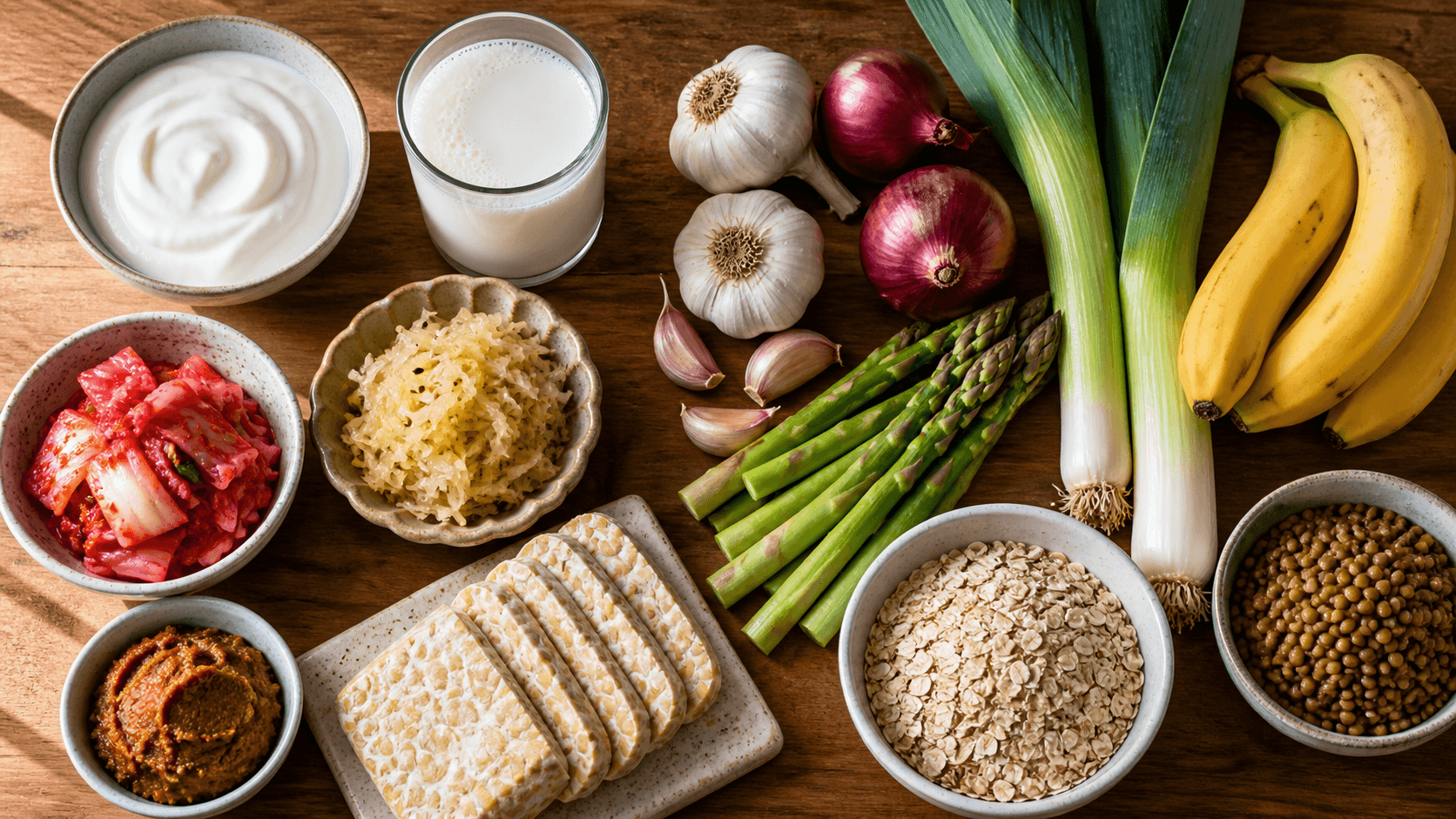
The diversity of your fibre sources matters as much as the quantity. Different types of fibre feed different bacterial species. Aim for a wide range of vegetables, fruits, legumes, whole grains, nuts, and seeds. Onions, garlic, leeks, asparagus, and bananas are particularly rich in prebiotic fibres (specifically inulin and fructo-oligosaccharides) that selectively promote the growth of beneficial Bifidobacteria and Lactobacilli (14). For vegetarian and vegan clients, this is one area where plant-based diets have a clear advantage. A well-planned vegetarian or vegan diet naturally delivers a high volume and variety of prebiotic fibres. For omnivore clients, the principle is the same: build every meal around a generous base of diverse plant foods.
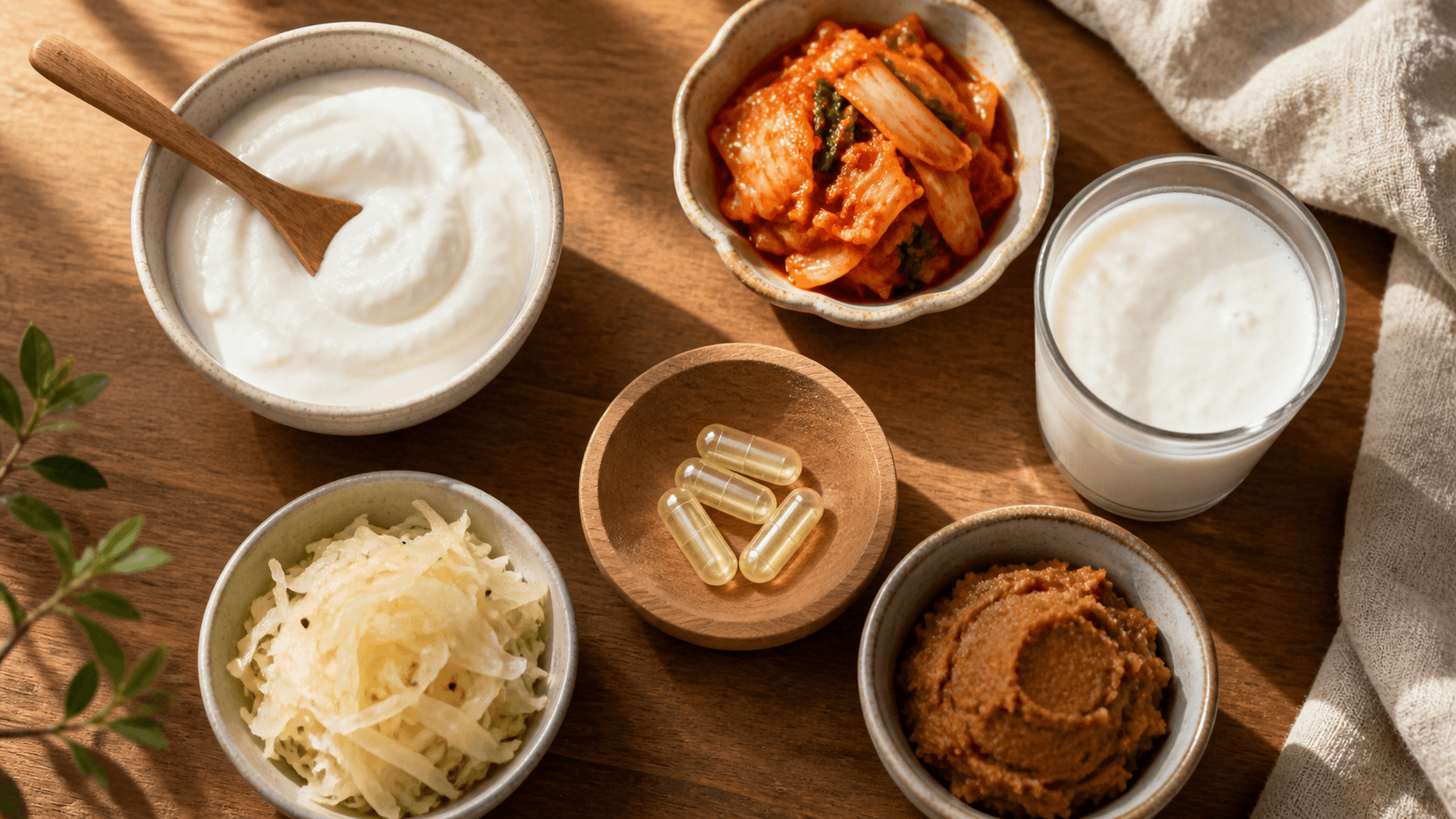
Fermented foods are the second pillar. Yoghurt (ideally live culture, full fat or low fat depending on your calorie targets), kefir, sauerkraut, kimchi, miso, tempeh, and kombucha all contain live beneficial bacteria that can transiently colonise the gut and support microbial diversity. A study from Stanford University published in Cell found that a diet high in fermented foods significantly increased microbiome diversity and reduced markers of systemic inflammation over a 10-week period (15). I recommend that clients include at least one to two servings of fermented foods daily. For dairy-free clients, coconut yoghurt with live cultures, water kefir, sauerkraut, kimchi, and miso are all excellent options.
Supplementation: Probiotics, Prebiotics, and What Actually Works
Probiotic supplements have become a massive industry, and the quality varies enormously. Not all probiotics are created equal, and taking a random capsule from the supermarket shelf is unlikely to deliver meaningful results. The evidence supports specific strains for specific outcomes. For mood and stress support, Lactobacillus helveticus R0052 and Bifidobacterium longum R0175 have the strongest clinical evidence (9). For general gut health and immune support, Lactobacillus rhamnosus GG and Saccharomyces boulardii are well studied and widely available (16). For clients recovering from antibiotic use, a multi-strain probiotic containing Lactobacillus and Bifidobacterium species taken during and for at least four weeks after the antibiotic course can help accelerate microbiome recovery.
Prebiotic supplements, particularly partially hydrolysed guar gum (PHGG) and galacto-oligosaccharides (GOS), can be useful for clients who struggle to hit adequate fibre intake through food alone. However, I always prioritise a food-first approach. Supplements fill gaps. They do not replace the foundation. L-glutamine, an amino acid that serves as the primary fuel source for intestinal epithelial cells, has some evidence supporting its use for improving intestinal barrier function, particularly in individuals with compromised gut permeability (17). I use it selectively with clients who present with symptoms suggestive of increased intestinal permeability, typically at doses of 5 to 10 grams per day.
What I See With My Clients
When clients start taking gut health seriously, the changes extend far beyond digestion. Sleep improves. Mood stabilises. Cravings become more manageable. Energy levels are more consistent throughout the day. Training recovery improves. And in many cases, fat loss that had stalled begins to move again. These are not placebo effects. They are the downstream consequences of addressing a system that influences virtually every aspect of physical and mental health. The gut is not a side project. It is central to the entire transformation.
I am not suggesting that gut health is a magic bullet. There is no single intervention that fixes everything. But I am saying that if you have been ignoring your gut, you have been leaving results on the table. And if you are dealing with persistent mood issues, stubborn fat loss plateaus, unmanageable cravings, or chronic fatigue alongside your training, the gut-brain axis deserves your attention.
The Bottom Line
Your gut and your brain are in constant communication. The state of your microbiome affects your serotonin production, your stress response, your inflammation levels, your insulin sensitivity, your appetite, and your ability to adhere to a nutrition plan. Improving gut health through a diverse, fibre-rich diet, regular fermented food intake, targeted supplementation where appropriate, stress management, and adequate sleep is one of the most impactful things you can do for both your physical and mental health.
If you want a personalised nutrition and supplementation plan that takes your gut health, your training, your lifestyle, and your specific goals into account, get in touch through trperformancecoaching.com. I work one-to-one with clients online globally, across every dietary background. Whether you eat meat, are vegetarian, vegan, or somewhere in between, I will build something that works for your body, your gut, and your life.
Work with Me
Get a personalised coaching plan built around your goals, your schedule, and your life.
Enquire NowReferences
- Cryan JF, Dinan TG. Mind-altering microorganisms: the impact of the gut microbiota on brain and behaviour. Nature Reviews Neuroscience. 2012; 13(10): 701-712.
- Foster JA, McVey Neufeld KA. Gut-brain axis: how the microbiome influences anxiety and depression. Trends in Neurosciences. 2013; 36(5): 305-312.
- Yano JM, Yu K, Donaldson GP, et al. Indigenous bacteria from the gut microbiota regulate host serotonin biosynthesis. Cell. 2015; 161(2): 264-276.
- O'Mahony SM, Clarke G, Borre YE, Dinan TG, Cryan JF. Serotonin, tryptophan metabolism and the brain-gut-microbiome axis. Behavioural Brain Research. 2015; 277: 32-48.
- Turnbaugh PJ, Ley RE, Mahowald MA, Magrini V, Mardis ER, Gordon JI. An obesity-associated gut microbiome with increased capacity for energy harvest. Nature. 2006; 444(7122): 1027-1031.
- Cani PD, Amar J, Iglesias MA, et al. Metabolic endotoxemia initiates obesity and insulin resistance. Diabetes. 2007; 56(7): 1761-1772.
- Tilg H, Kaser A. Gut microbiome, obesity, and metabolic dysfunction. Journal of Clinical Investigation. 2011; 121(6): 2126-2132.
- Karl JP, Hatch AM, Arcidiacono SM, et al. Effects of psychological, environmental and physical stressors on the gut microbiota. Frontiers in Microbiology. 2018; 9: 2013.
- Messaoudi M, Lalonde R, Violle N, et al. Assessment of psychotropic-like properties of a probiotic formulation (Lactobacillus helveticus R0052 and Bifidobacterium longum R0175) in rats and human subjects. British Journal of Nutrition. 2011; 105(5): 755-764.
- Zinöcker MK, Lindseth IA. The Western diet-microbiome-host interaction and its role in metabolic disease. Nutrients. 2018; 10(3): 365.
- Dethlefsen L, Relman DA. Incomplete recovery and individualized responses of the human distal gut microbiota to repeated antibiotic perturbation. Proceedings of the National Academy of Sciences. 2011; 108(Suppl 1): 4554-4561.
- David LA, Maurice CF, Carmody RN, et al. Diet rapidly and reproducibly alters the human gut microbiome. Nature. 2014; 505(7484): 559-563.
- Koh A, De Vadder F, Kovatcheva-Datchary P, Bäckhed F. From dietary fiber to host physiology: short-chain fatty acids as key bacterial metabolites. Cell. 2016; 165(6): 1332-1345.
- Gibson GR, Hutkins R, Sanders ME, et al. Expert consensus document: The International Scientific Association for Probiotics and Prebiotics (ISAPP) consensus statement on the definition and scope of prebiotics. Nature Reviews Gastroenterology and Hepatology. 2017; 14(8): 491-502.
- Wastyk HC, Fragiadakis GK, Perelman D, et al. Gut-microbiota-targeted diets modulate human immune status. Cell. 2021; 184(16): 4137-4153.
- Ritchie ML, Romanuk TN. A meta-analysis of probiotic efficacy for gastrointestinal diseases. PLoS ONE. 2012; 7(4): e34938.
- Rao R, Samak G. Role of glutamine in protection of intestinal epithelial tight junctions. Journal of Epithelial Biology and Pharmacology. 2012; 5(Suppl 1-M7): 47-54.