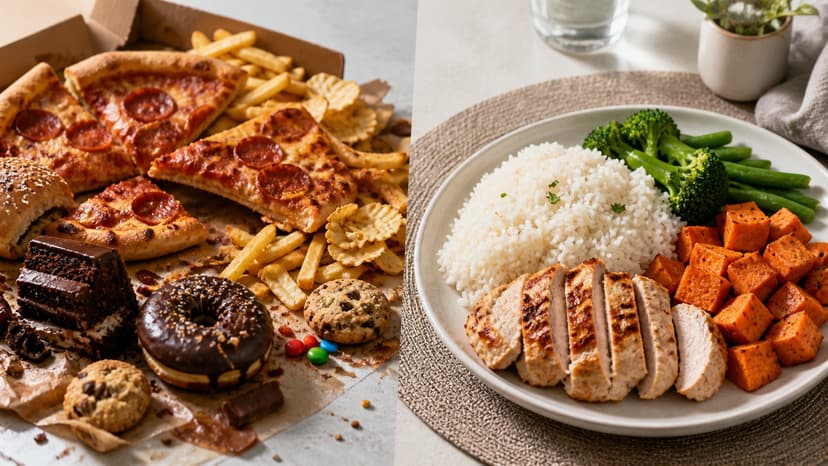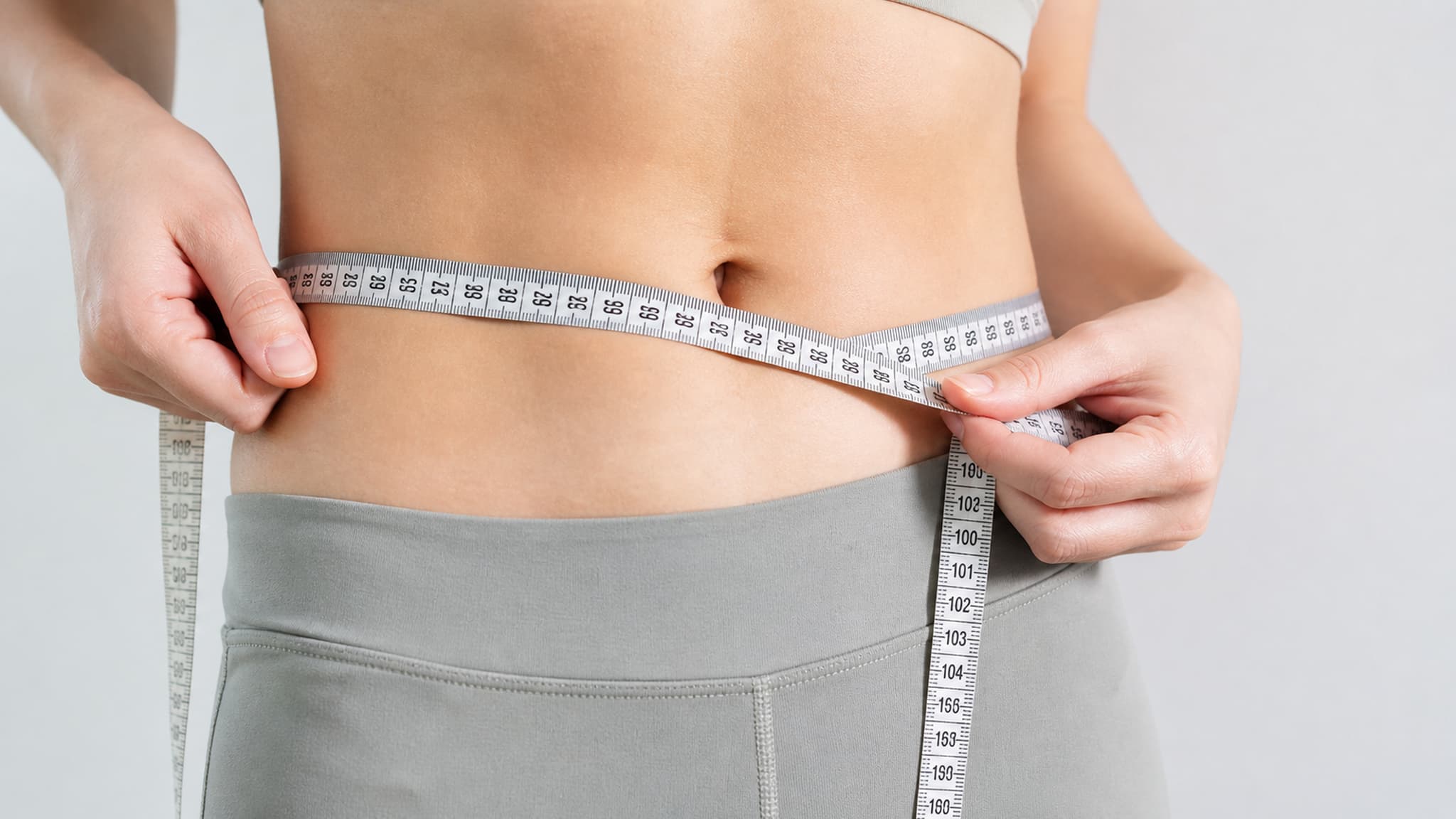
Most people think about fat loss in simple terms. The number on the scale goes down and that means things are going well. The number stays the same or goes up and that means something is wrong. But I can tell you that where your body stores fat is often more important than how much fat you carry. Two people can weigh exactly the same, have the same body mass index, and face completely different health risks based purely on their fat distribution pattern. Understanding this distinction could change the way you think about your body, your diet, and your training.
Subcutaneous Fat Versus Visceral Fat: Why the Difference Matters
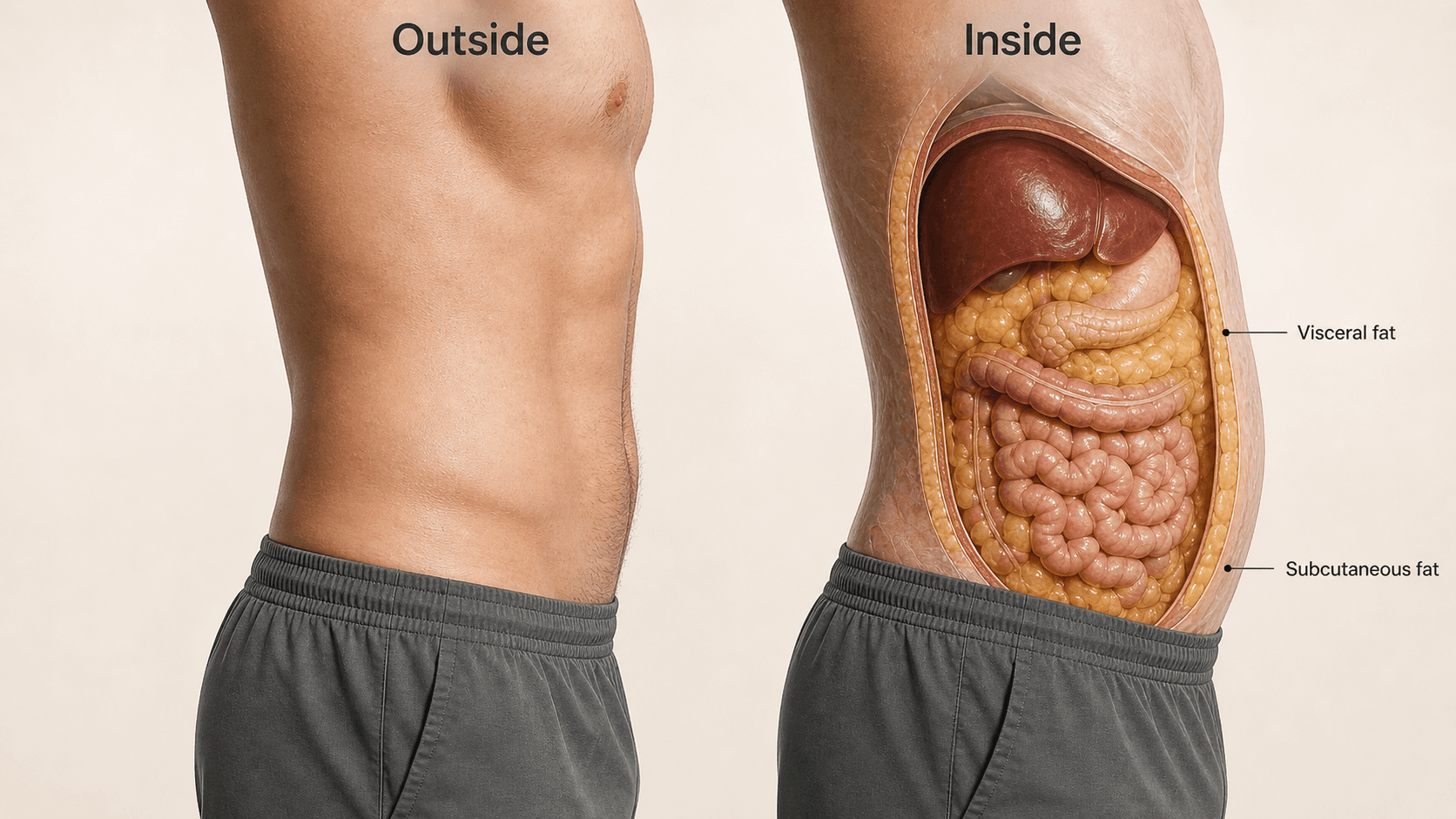
Your body stores fat in two primary locations. Subcutaneous fat sits just beneath the skin. It is the fat you can pinch on your arms, thighs, hips, and stomach. While nobody particularly enjoys carrying excess subcutaneous fat, from a health perspective it is the less dangerous of the two types. Visceral fat, on the other hand, accumulates deep within the abdominal cavity, surrounding your internal organs including the liver, pancreas, and intestines. You cannot see it or pinch it, but it is far more metabolically active and far more damaging to your health (1).
Visceral fat does not simply sit there as an inert energy store. It functions almost like an endocrine organ, actively secreting inflammatory molecules called cytokines and hormones that interfere with insulin signalling, blood pressure regulation, and lipid metabolism (2). Research published in the journal Diabetes Care has demonstrated that visceral adiposity is independently associated with insulin resistance, even in individuals who are not classified as overweight by standard BMI criteria (3). This means you can appear relatively lean on the outside while harbouring dangerous levels of visceral fat on the inside, a phenomenon sometimes referred to as being ‘skinny fat’ or having normal weight obesity.
How Hormones Determine Where You Store Fat
One of the most important and underappreciated factors in fat distribution is hormonal status. Men and post-menopausal women are significantly more likely to store fat viscerally than pre-menopausal women, and the reason comes down largely to sex hormones. Oestrogen has a protective effect against visceral fat accumulation. It encourages the body to store fat subcutaneously, particularly around the hips and thighs, which is a pattern associated with lower metabolic risk (4). When oestrogen levels decline during menopause, women often experience a shift in fat distribution from the hips and thighs to the abdominal region, mirroring the visceral storage pattern typically seen in men.

This is not just a cosmetic change. A study published in the European Journal of Clinical Nutrition found that post-menopausal women had significantly higher levels of visceral fat compared to pre-menopausal women of similar BMI, and that this increase was directly associated with elevated markers of cardiovascular and metabolic risk (5). I see this transition regularly in the women I coach through perimenopause and post-menopause, and it is one of the key reasons why training and nutrition strategies often need to be adjusted during this stage of life.
In men, declining testosterone levels with age are also associated with increased visceral fat storage. Testosterone promotes lean mass and helps regulate fat distribution, and as levels fall, the tendency to accumulate abdominal fat increases (6). Elevated cortisol, the primary stress hormone, compounds this problem further. Chronic stress drives cortisol production, and cortisol has been shown to preferentially promote fat storage in the visceral compartment (7). If you are a stressed, under-sleeping, overworked professional carrying weight around your midsection, the hormonal picture is working against you in multiple ways simultaneously.
The Direct Link Between Visceral Fat and Type 2 Diabetes
The relationship between visceral fat and type 2 diabetes is one of the strongest and most well-documented associations in metabolic research. Visceral fat accumulation impairs insulin sensitivity by flooding the portal vein with free fatty acids, which travel directly to the liver and trigger a cascade of metabolic dysfunction including increased hepatic glucose production, impaired insulin clearance, and systemic inflammation (8). A landmark study published in The New England Journal of Medicine demonstrated that even modest reductions in visceral fat through diet and exercise produced significant improvements in insulin sensitivity, independent of total body weight change (9).
This is profoundly important because it means that even if the number on the scale does not change dramatically, reducing visceral fat through targeted lifestyle changes can meaningfully reduce your risk of developing type 2 diabetes and related metabolic conditions. I have worked with clients whose blood markers, insulin levels, and blood pressure improved substantially before they saw the kind of dramatic scale weight changes they were expecting. The internal changes were happening first, driven by reductions in visceral fat, and the visible changes followed later.
How to Measure What Matters
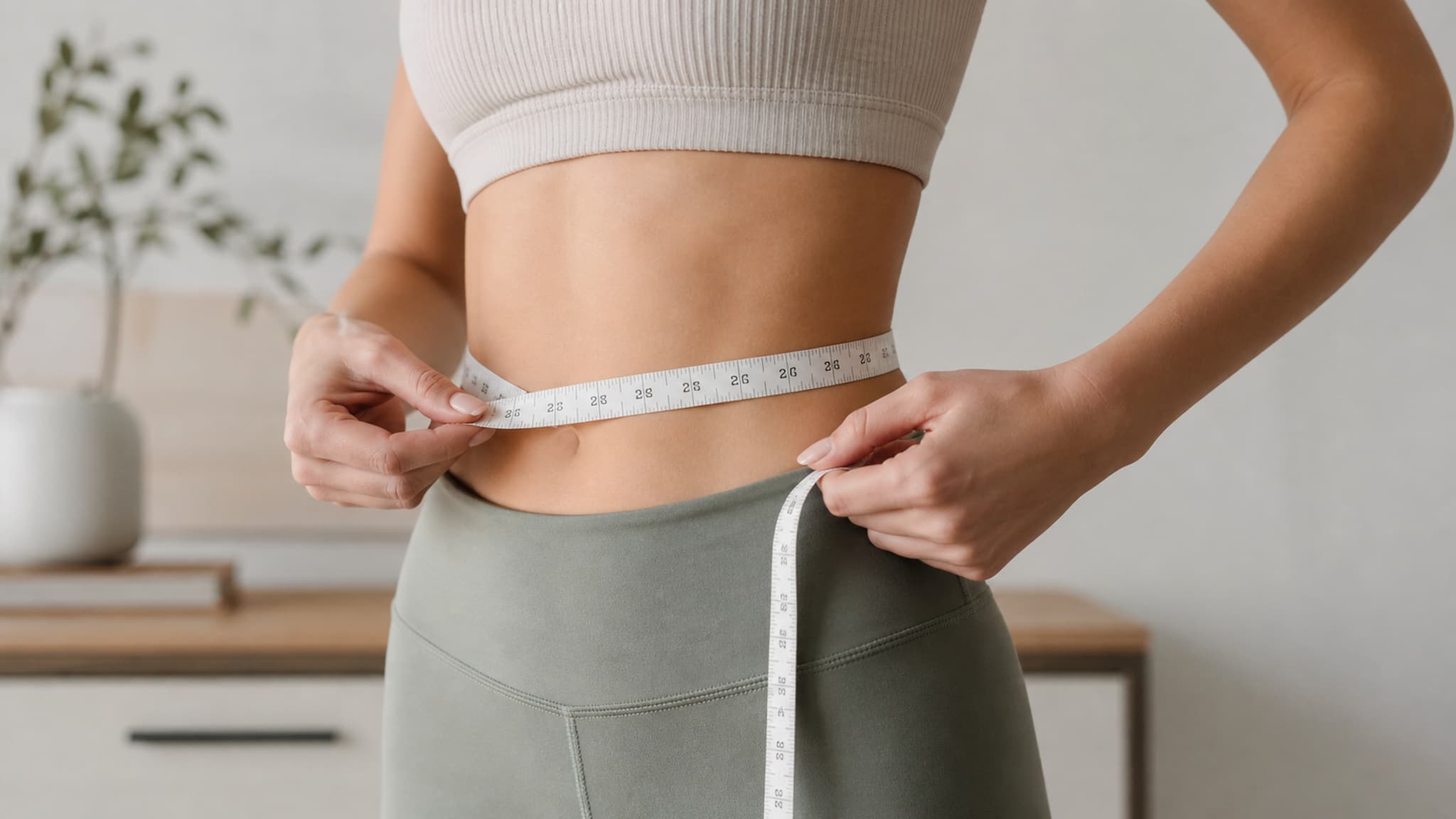
If visceral fat is the real concern, then the scale alone is not the right tool for measuring progress. Waist circumference is one of the simplest and most effective proxy measures for visceral fat. Research published in The Lancet has established that waist circumference is a stronger predictor of cardiovascular risk than BMI in many populations (10). For men, a waist circumference above 94 centimetres is associated with increased metabolic risk, and above 102 centimetres with substantially increased risk. For women, the thresholds are 80 centimetres and 88 centimetres respectively.
Waist-to-hip ratio is another useful measure. A higher ratio indicates a greater proportion of visceral fat relative to subcutaneous fat. More advanced methods like DEXA scanning can provide detailed body composition data including estimates of visceral fat, and I recommend periodic DEXA scans for clients who want precise tracking of their body composition changes over time. But even a simple tape measure around your waist, taken consistently at the same point each week, can tell you a great deal about what is happening internally.
What Actually Reduces Visceral Fat
The good news is that visceral fat is highly responsive to dietary and lifestyle interventions. In fact, visceral fat is typically the first type of fat to be mobilised when you create a calorie deficit and begin exercising regularly. A meta-analysis published in Obesity Reviews found that both aerobic exercise and resistance training produced significant reductions in visceral fat, with the combination of the two being the most effective approach (11). This aligns with everything I see in practice. Clients who combine structured resistance training with moderate cardiovascular activity and a controlled, protein-rich diet consistently see the fastest improvements in abdominal fat and metabolic health markers.
From a nutritional standpoint, the principles that reduce visceral fat are the same evidence-based fundamentals I apply with every client. A sustained calorie deficit is non-negotiable. Adequate protein intake is essential to preserve lean mass during fat loss, whether that protein comes from chicken, fish, eggs, tofu, tempeh, lentils, or soy-based products. Prioritising fibre-rich foods including vegetables, legumes, and whole grains supports gut health and metabolic regulation. Minimising processed foods and excessive alcohol intake reduces the inflammatory burden that contributes to visceral fat accumulation. And managing stress and sleep is not optional. Chronic sleep deprivation and elevated cortisol directly promote visceral fat storage, so addressing these factors is as important as anything you do in the kitchen or the gym (12).
Why This Should Change How You Think About Your Goals
If there is one thing I want you to take away from this article, it is that chasing a number on the scale without understanding what is happening beneath the surface is a fundamentally incomplete approach to your health. I have coached clients who lost relatively modest amounts of total body weight but achieved transformative improvements in blood pressure, blood glucose, insulin sensitivity, and cholesterol levels because the fat they lost was visceral. I have also seen people lose significant scale weight through crash diets and excessive cardio while preserving most of their visceral fat because they sacrificed muscle mass along with subcutaneous fat.
The approach matters. A well-structured programme that combines progressive resistance training, appropriate cardiovascular work, adequate protein, and a sensible calorie deficit will preferentially target visceral fat while preserving the lean tissue that keeps your metabolism healthy. This is what I build for every client, regardless of whether they eat meat, follow a vegetarian diet, or are fully plant-based. The principles are universal. The application is individual.
If you are carrying weight around your midsection, if you have a family history of type 2 diabetes or cardiovascular disease, if you are a man over 40 or a woman navigating perimenopause or menopause, understanding your fat distribution pattern is not just interesting. It is essential. If you want a programme that addresses these factors properly and is built specifically around your body, your health status, and your goals, get in touch and let me help you take control of what actually matters.
Work with Me
Get a personalised coaching plan built around your goals, your schedule, and your life.
Enquire NowReferences
- Ibrahim MM. Subcutaneous and visceral adipose tissue: structural and functional differences. Obesity Reviews. 2010; 11(1): 11-18.
- Fontana L, Eagon JC, Trujillo ME, Scherer PE, Klein S. Visceral fat adipokine secretion is associated with systemic inflammation in obese humans. Diabetes. 2007; 56(4): 1010-1013.
- Neeland IJ, Turer AT, Ayers CR, et al. Dysfunctional adiposity and the risk of prediabetes and type 2 diabetes in obese adults. JAMA. 2012; 308(11): 1150-1159.
- Lovejoy JC, Champagne CM, de Jonge L, Xie H, Smith SR. Increased visceral fat and decreased energy expenditure during the menopausal transition. International Journal of Obesity. 2008; 32(6): 949-958.
- Toth MJ, Tchernof A, Sites CK, Poehlman ET. Effect of menopausal status on body composition and abdominal fat distribution. International Journal of Obesity. 2000; 24(2): 226-231.
- Kelly DM, Jones TH. Testosterone and obesity. Obesity Reviews. 2015; 16(7): 581-606.
- Epel ES, McEwen B, Seeman T, et al. Stress and body shape: stress-induced cortisol secretion is consistently greater among women with central fat. Psychosomatic Medicine. 2000; 62(5): 623-632.
- Bjorntorp P. Metabolic implications of body fat distribution. Diabetes Care. 1991; 14(12): 1132-1143.
- Knowler WC, Barrett-Connor E, Fowler SE, et al. Reduction in the incidence of type 2 diabetes with lifestyle intervention or metformin. New England Journal of Medicine. 2002; 346(6): 393-403.
- Yusuf S, Hawken S, Ounpuu S, et al. Obesity and the risk of myocardial infarction in 27000 participants from 52 countries: a case-control study. The Lancet. 2005; 366(9497): 1640-1649.
- Vissers D, Hens W, Brouwers J, Taeymans J, Claes S. The effect of exercise on visceral adipose tissue in overweight adults: a systematic review and meta-analysis. PLoS One. 2013; 8(2): e56415.
- Chaput JP, Bouchard C, Tremblay A. Change in sleep duration and visceral fat accumulation over 6 years in adults. Obesity. 2014; 22(5): E9-E12.