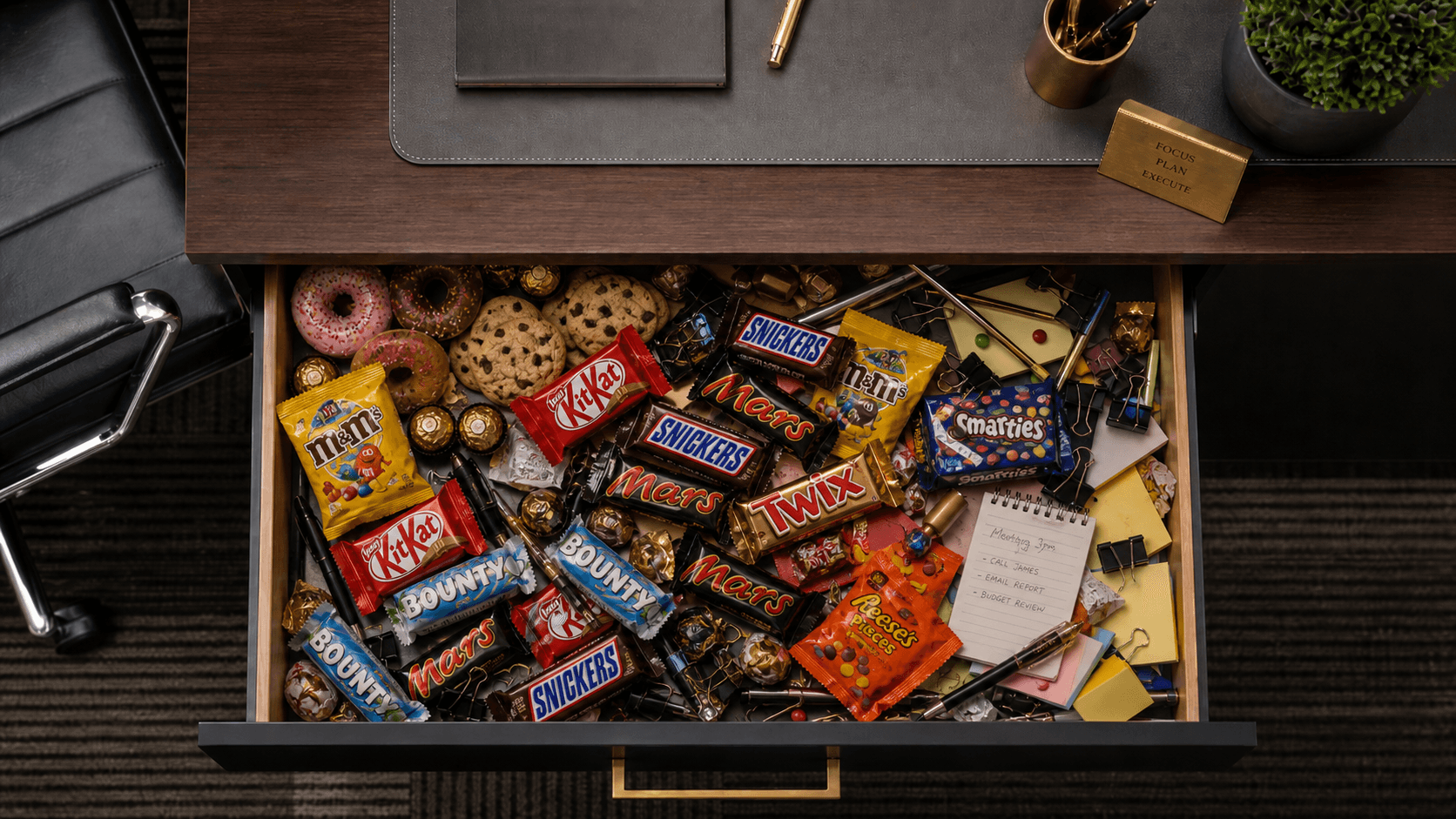
You have been eating well all week. Training has been consistent. You are starting to feel good about your progress. Then 3pm hits, and before you even realise what is happening, you are elbow deep in a packet of biscuits at your desk. Or standing in front of the fridge at 9pm spooning peanut butter straight from the jar. Sound familiar?
If I had to name the single biggest thing that wrecks fat loss results for the clients I work with, it would not be a bad training programme. It would not be a lack of effort. It would be sugar cravings. That constant, nagging pull towards sweet food that erodes your consistency one handful at a time until the whole plan unravels.
Busy professionals, shift workers, new parents, people managing Type 1 and Type 2 diabetes, clients with PCOS and hypertension, omnivores, vegetarians, vegans, and everything in between. Across all of these different backgrounds and goals, the pattern is strikingly consistent. When fat loss stalls, sugar cravings are almost always involved.

What Is Actually Happening in Your Body When Cravings Strike
Sugar cravings are not a character flaw and they are certainly not a sign that you lack discipline. They are a measurable physiological response, and once you understand how they work, they become far easier to dismantle.
When you eat sugar, your brain releases dopamine, the neurotransmitter associated with reward and pleasure. Research published in the American Journal of Clinical Nutrition showed that high glycaemic foods trigger significantly greater activity in brain regions linked to craving and reward compared to low glycaemic alternatives (1). Every time you give in, you strengthen that neural pathway. The craving gets louder, not quieter. It becomes a self reinforcing loop.
Then there is the blood sugar rollercoaster. A spike in glucose from refined carbohydrates is followed by a sharp crash, which triggers hunger, irritability, brain fog, and yet another craving for something sweet to bring your energy back up. A paper in Obesity Reviews confirmed that these blood sugar fluctuations drive excessive calorie intake, particularly from highly palatable, energy dense foods (2). That mid afternoon slump and the biscuit tin raid that follows? That is your blood sugar talking, not your personality.
What Happens If You Just Try to Push Through
Most people try to solve this with willpower. They grit their teeth, white knuckle through the cravings, and hope they pass. Sometimes it works for a day or two. But the research tells us it is not a sustainable approach.
A landmark study in the Journal of Personality and Social Psychology demonstrated that self control operates like a muscle. The more you use it throughout the day, the more it fatigues (3). If you spend your morning making decisions at work, managing a household, or dealing with difficult conversations, you have less capacity to resist temptation by the time evening rolls around. This is not a personal failing. It is how the brain works.
Left unchecked, sugar cravings do not just stall your fat loss. They can drive a pattern of restriction followed by overeating, erode your confidence in your ability to stick to any plan, and over time contribute to poor metabolic health including insulin resistance, elevated blood pressure, and increased visceral fat. A review published in The Lancet found that diets high in added sugar are independently associated with increased risk of metabolic syndrome, cardiovascular disease, and Type 2 diabetes (4).
The answer is not to fight harder. The answer is to remove the conditions that create the cravings in the first place.
Eight Proven Ways to Crush Sugar Cravings for Good
1. Build Every Meal Around Protein
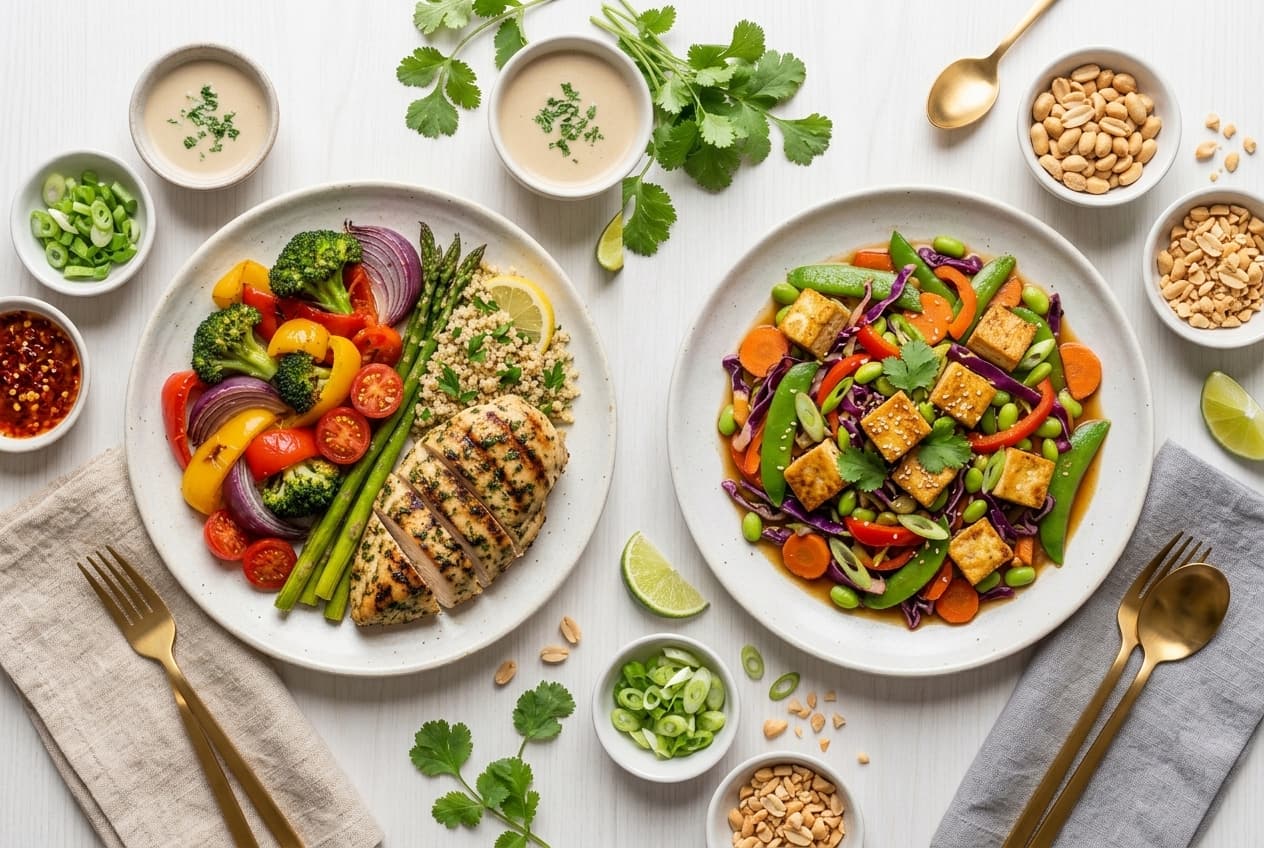
This is the single most effective change I make with new clients. When protein goes up, cravings come down. It happens consistently regardless of whether someone eats meat, follows a vegetarian diet, or is fully plant based.
Protein has a significantly greater effect on satiety than carbohydrates or fat. Research in the American Journal of Clinical Nutrition found that increasing protein to around 25 to 30 percent of total calories led to a meaningful reduction in late night snacking and preoccupation with food (5). When you feel genuinely full after a meal, the urge to reach for something sweet drops away naturally.
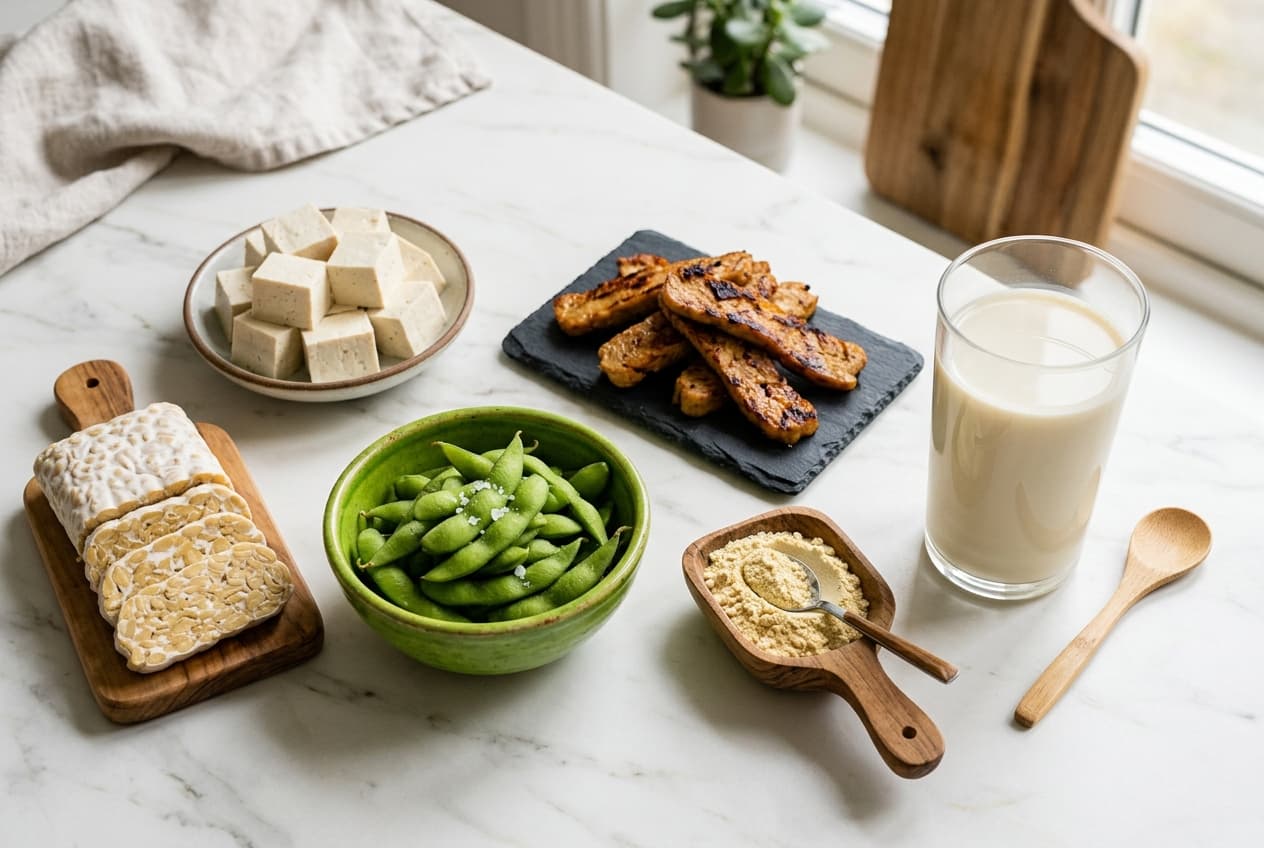
Practical options for omnivore clients include chicken breast, turkey mince, white fish, salmon, eggs, and Greek yoghurt. For plant based clients, the list is bigger than most people realise. Seitan often delivers over 25g of protein per 100g serving, making it one of the most protein dense plant foods available. Tofu and tempeh are incredibly versatile and absorb flavour brilliantly in stir fries, curries, and salads. Soy mince works as a direct swap in bolognese, chilli, or shepherd’s pie. Edamame, lentils, and chickpeas add both protein and fibre to meals. And for convenience, a pea protein or soy protein shake is one of the quickest ways to top up your intake when time is short.
As a lifelong vegetarian myself, I have spent years finding ways to keep protein high without relying on meat. I know what works and I know what doesn’t. It is absolutely achievable with the right structure.
2. Stop Eating Carbohydrates in Isolation
One of the fastest ways to trigger a blood sugar spike and subsequent crash is to eat carbohydrates on their own. A piece of toast by itself. A banana on its own. A bowl of cereal with skimmed milk. These all hit your bloodstream quickly and leave you hungry again within the hour.
A study in the European Journal of Clinical Nutrition confirmed that combining protein and fibre with carbohydrates significantly blunted the post meal glucose response compared to eating carbohydrates alone (6). In practical terms, this means pairing that banana with a handful of almonds or some nut butter. Adding eggs or smoked salmon to your toast. Replacing cereal with a tofu scramble loaded with vegetables, or overnight oats made with protein powder and chia seeds.
This single habit change can eliminate the blood sugar rollercoaster that drives most afternoon and evening cravings.
3. Eat at Consistent Times and Do Not Skip Meals
I have lost count of the number of clients who come to me skipping breakfast, barely eating at lunch, and then wondering why they demolish an entire kitchen’s worth of food after 7pm. When you go too long without eating, blood sugar drops, hunger hormones spike, and your brain starts screaming for the fastest source of energy it can find. That source is almost always sugar.
For most of my clients, three to four balanced meals spaced evenly through the day provides the best foundation. Each meal should contain protein, a source of healthy fat, vegetables or salad, and a portion of complex carbohydrates if appropriate for their goals. This structure keeps blood sugar stable, energy consistent, and cravings at bay.

4. Get Your Sleep in Order
This is one that catches a lot of people off guard. Poor sleep does not just leave you tired. It actively rewires your appetite. When you are sleep deprived, levels of ghrelin (the hunger hormone) rise while leptin (the satiety hormone) falls. The result is increased hunger, reduced satisfaction from meals, and a strong preference for sugary, calorie dense foods.
A study in the Annals of Internal Medicine found that participants restricted to 5.5 hours of sleep per night consumed significantly more calories from snacks, predominantly sugary and carbohydrate rich foods, than when they slept 8.5 hours (7). That is not a discipline problem. That is a hormonal shift.
Here is what I recommend: aim for seven to nine hours per night. Set a consistent bedtime and wake time, including weekends. Cut screen time for at least 30 minutes before bed. Keep the bedroom cool, dark, and quiet. And limit caffeine after midday. Many of my clients are surprised how much their cravings improve when sleep becomes a non negotiable part of the plan.
5. Address Your Stress Levels Directly
Cortisol, the body’s primary stress hormone, has a direct and well documented effect on appetite. Chronically elevated cortisol increases hunger and specifically drives preference for sweet, fatty, energy dense foods. A study in Psychoneuroendocrinology found that individuals with higher cortisol reactivity consumed significantly more calories when stressed compared to those with lower reactivity (8).
I see this pattern regularly with clients who work in high pressure environments. Long hours, back to back meetings, constant connectivity, poor boundaries between work and personal life. The cravings are not really about food at that point. They are about stress relief. Addressing the root cause through structured training, walking, breathing techniques, and protected recovery time is far more effective than trying to resist the cravings themselves.
6. Increase Your Fibre Intake Significantly
Fibre slows digestion, stabilises blood sugar, and promotes the production of short chain fatty acids in the gut that support appetite regulation. A meta analysis published in the Journal of the American College of Nutrition found that increasing fibre intake was associated with reduced hunger, lower calorie intake, and improved body composition (9).
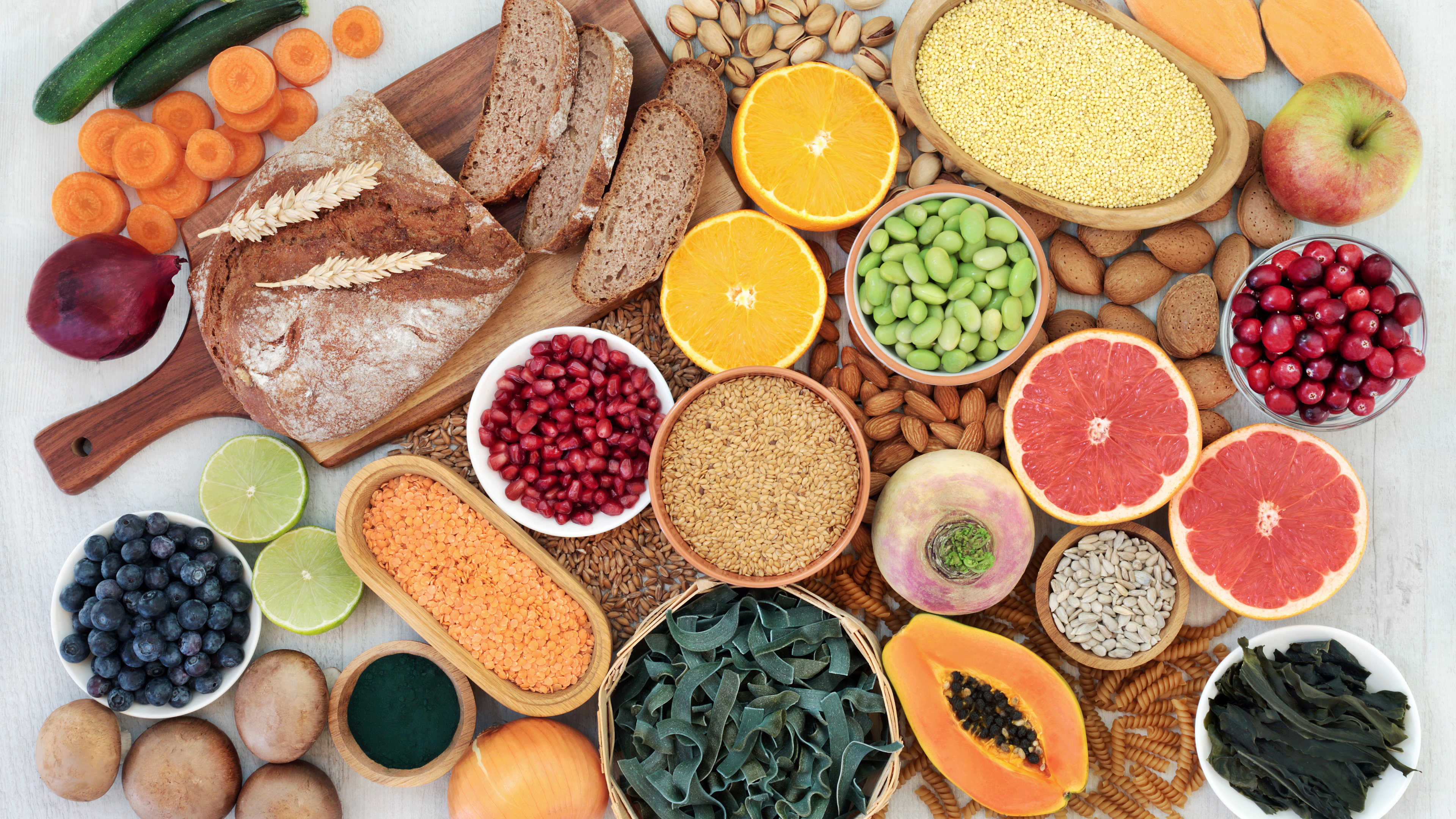
Load your meals with vegetables, particularly leafy greens, broccoli, peppers, courgettes, and aubergines. Add legumes like lentils, black beans, and chickpeas. Snack on raw carrots, celery, and cucumber with hummus. For plant based clients especially, a high fibre diet is often naturally built in, but even then I find that being intentional about it makes a noticeable difference to satiety and craving control.
7. Be Cautious With Artificial Sweeteners
I am not going to tell you that diet drinks are poison. They are not. But I am cautious about relying on them heavily as a craving management tool. Research published in the Yale Journal of Biology and Medicine suggested that artificial sweeteners may maintain a preference for intensely sweet flavours without delivering the caloric satisfaction the brain anticipates (10). In other words, they can keep the sweet tooth alive rather than helping it fade.
A diet cola now and then is fine if it helps you stay on track. But if you are drinking three or four a day and still craving chocolate every evening, the sweeteners are not solving the problem. They are papering over it.
8. Give It Three to Four Weeks and Trust the Process
Here is something I have watched happen hundreds of times. A client arrives completely enslaved by sugar cravings. They cannot imagine getting through a single day without something sweet. We restructure their nutrition, improve their sleep, manage their stress, and within three to four weeks, the cravings have virtually disappeared.
This is not anecdotal wishful thinking. Research in the American Journal of Clinical Nutrition demonstrated that reducing sugar intake over a period of weeks leads to a measurable reduction in desire for sweet foods and an increased sensitivity to sweetness at lower thresholds (11). Your taste buds literally recalibrate. Foods that once tasted bland start tasting sweet. The hold that sugar had over you loosens.
I have seen this with clients who lost significant amounts of body fat, clients who came off blood pressure medication under their GP’s supervision, and clients whose doctors reduced their insulin dosage after seeing their results. The cravings were not beaten by willpower. They were eliminated by fixing the environment that created them.
You Do Not Have to Figure This Out Alone
Sugar cravings are not a sign of weakness. They are a signal. A signal from your blood sugar, your hormones, your sleep, and your stress levels that something in the system needs attention. When you fix the root causes instead of fighting the symptoms, fat loss stops being a daily battle and becomes a steady, manageable process.
But knowing what to do and actually doing it in the context of your own life, your own schedule, your own dietary preferences, and your own health conditions are two very different things. That is where coaching makes the difference.
I work one-to-one with clients online globally. Whether you are an omnivore, vegetarian, or fully plant based, whether you are dealing with diabetes, PCOS, hypertension, or you simply want to lose body fat and feel in control of your nutrition for the first time, I will build you a plan that fits your life and gets results. If you are ready to stop fighting your cravings and start understanding them, get in touch and let’s have a conversation about your goals.
Work with Me
Get a personalised coaching plan built around your goals, your schedule, and your life.
Enquire NowReferences
- Lennerz BS, Alsop DC, Holsen LM, Stern E, Rojas R, Ebbeling CB, Goldstein JM, Ludwig DS. Effects of dietary glycemic index on brain regions related to reward and craving in men. American Journal of Clinical Nutrition. 2013; 98(3): 641-647.
- Benton D. The plausibility of sugar addiction and its role in obesity and eating disorders. Clinical Nutrition. 2010; 29(3): 288-303.
- Baumeister RF, Bratslavsky E, Muraven M, Tice DM. Ego depletion: Is the active self a limited resource? Journal of Personality and Social Psychology. 1998; 74(5): 1252-1265.
- Malik VS, Popkin BM, Bray GA, Despres JP, Willett WC, Hu FB. Sugar sweetened beverages and risk of metabolic syndrome and Type 2 diabetes: a meta analysis. Diabetes Care. 2010; 33(11): 2477-2483.
- Leidy HJ, Tang M, Armstrong CL, Martin CB, Campbell WW. The effects of consuming frequent, higher protein meals on appetite and satiety during weight loss in overweight/obese men. Obesity. 2011; 19(4): 818-824.
- Moghaddam E, Vogt JA, Wolever TM. The effects of fat and protein on glycemic responses in nondiabetic humans vary with waist circumference, fasting plasma insulin, and dietary fiber intake. Journal of Nutrition. 2006; 136(10): 2506-2511.
- Nedeltcheva AV, Kilkus JM, Imperial J, Kasza K, Schoeller DA, Penev PD. Sleep curtailment is accompanied by increased intake of calories from snacks. American Journal of Clinical Nutrition. 2009; 89(1): 126-133.
- Epel E, Lapidus R, McEwen B, Brownell K. Stress may add bite to appetite in women: a laboratory study of stress induced cortisol and eating behavior. Psychoneuroendocrinology. 2001; 26(1): 37-49.
- Howarth NC, Saltzman E, Roberts SB. Dietary fiber and weight regulation. Nutrition Reviews. 2001; 59(5): 129-139.
- Yang Q. Gain weight by “going diet?” Artificial sweeteners and the neurobiology of sugar cravings. Yale Journal of Biology and Medicine. 2010; 83(2): 101-108.
- Wise PM, Nattress L, Flammer LJ, Beauchamp GK. Reduced dietary intake of simple sugars alters perceived sweet taste intensity but not perceived pleasantness. American Journal of Clinical Nutrition. 2016; 103(1): 50-60.