Protein is the one macronutrient that almost everyone agrees is important, and yet it is also the one surrounded by the most confusion. I hear the same myths repeated in my gym, on social media, and from new clients almost every single week. You need to eat protein within 30 minutes of training or you will lose your gains. Too much protein will destroy your kidneys. Plant protein is inferior and you cannot build muscle without meat. You should be eating 3 grams per kilo of body weight. You can only absorb 30 grams in one sitting. The list goes on. Some of these have a grain of truth buried under layers of exaggeration. Others are flat out wrong. And the confusion they create stops people from doing the simple, evidence-based things that actually produce results.
I am a lifelong vegetarian myself and I have built and maintained a strong, lean physique without ever eating a piece of meat. I coach clients across every dietary background, from committed carnivores to strict vegans. Protein is central to every single one of their plans. But the amount of misinformation circulating about how much you need, when you need it, and where it should come from is genuinely holding people back. This article is going to clear it up. No myths. No marketing. Just what the research actually says and what I see work in practice every day.

Myth 1: You Can Only Absorb 30 Grams of Protein Per Meal
This is probably the most widespread protein myth in existence, and it causes unnecessary stress and over-complication. The claim is that your body can only use 30 grams of protein per sitting, and anything above that is wasted. This is a misinterpretation of the research on muscle protein synthesis. Studies have shown that the maximal stimulation of muscle protein synthesis in a single meal occurs at approximately 20 to 40 grams of high-quality protein, depending on body size and the type of protein consumed (1). Beyond that threshold, the rate of muscle protein synthesis does not increase further in that particular window.
But here is the critical distinction that gets lost. Muscle protein synthesis is not the same thing as protein absorption. Your body will absorb virtually all of the protein you eat. It just takes longer with larger amounts. A study published in the Journal of the International Society of Sports Nutrition found that the body continues to digest, absorb, and utilise protein from large meals over extended periods, with amino acids appearing in the bloodstream for 5 hours or more after a high-protein meal (2). The excess protein above the muscle protein synthesis threshold is not wasted. It is used for other essential functions including immune function, enzyme production, hormone synthesis, and as a fuel source. Eating 50 or 60 grams of protein in a meal is not a problem. Your body will use it. It simply will not all go directly to building muscle in that specific window.
Myth 2: The Anabolic Window Is 30 Minutes
The idea that you must consume protein within 30 minutes of finishing your workout or you will miss the “anabolic window” has driven an entire industry of post-workout shakes and bars. The reality is far less dramatic. A comprehensive meta-analysis published in the Journal of the International Society of Sports Nutrition examined the effect of protein timing on muscle growth and strength and concluded that the so-called anabolic window is considerably wider than previously believed, likely extending several hours rather than minutes (3). The total amount of protein consumed across the day matters far more than the precise timing of any individual serving.
That said, there is some practical wisdom in having protein relatively close to your training session. If you train fasted first thing in the morning, having a protein-rich meal within an hour or two after training is sensible because your body has been without amino acids for an extended period. If you ate a solid meal containing 30 to 40 grams of protein an hour or two before training, you already have amino acids circulating in your bloodstream and there is no urgency to slam a shake the moment you put down the barbell. The bottom line is this: if your overall daily protein intake is sufficient and distributed reasonably across your meals, worrying about a 30-minute window is a waste of your mental energy.
Myth 3: High Protein Diets Damage Your Kidneys
This myth has been around for decades and it refuses to die despite being comprehensively debunked. The concern originated from observations that people with pre-existing kidney disease are advised to moderate protein intake because their kidneys are already compromised and struggle to filter the byproducts of protein metabolism. Somewhere along the way, this clinical recommendation for people with kidney disease was extrapolated to mean that high protein diets cause kidney damage in healthy individuals. The research does not support this.
A study published in the Journal of the International Society of Sports Nutrition followed resistance-trained men consuming up to 3.4 grams of protein per kilogram of body weight per day for over a year and found no adverse effects on kidney function, liver function, or blood lipid profiles (4). A systematic review published in the Journal of Nutrition concluded that there is no evidence that high protein intakes pose a risk to kidney function in individuals without pre-existing renal disease (5). If you have healthy kidneys, a high protein diet is not going to damage them. If you have been diagnosed with kidney disease, follow your nephrologist’s guidance. For everyone else, this concern is unfounded.
Myth 4: Plant Protein Is Inferior and You Cannot Build Muscle Without Meat
This one is personal to me. I have been vegetarian my entire life and I have built a physique that speaks for itself. The idea that plant protein is categorically inferior to animal protein oversimplifies the science and ignores a large body of evidence showing that well-planned plant-based diets can absolutely support muscle growth and athletic performance.
The concern with plant proteins centres on two things: amino acid profiles and digestibility. Most individual plant protein sources are lower in one or more essential amino acids compared to animal sources, particularly leucine, which is the amino acid most directly responsible for stimulating muscle protein synthesis (6). Plant proteins also tend to have slightly lower digestibility scores. However, these differences are easily overcome with practical strategies. A study published in Sports Medicine concluded that when total protein intake is adequate and amino acid profiles are balanced through consuming a variety of plant sources, plant-based diets can support muscle and strength gains comparable to omnivorous diets (7).
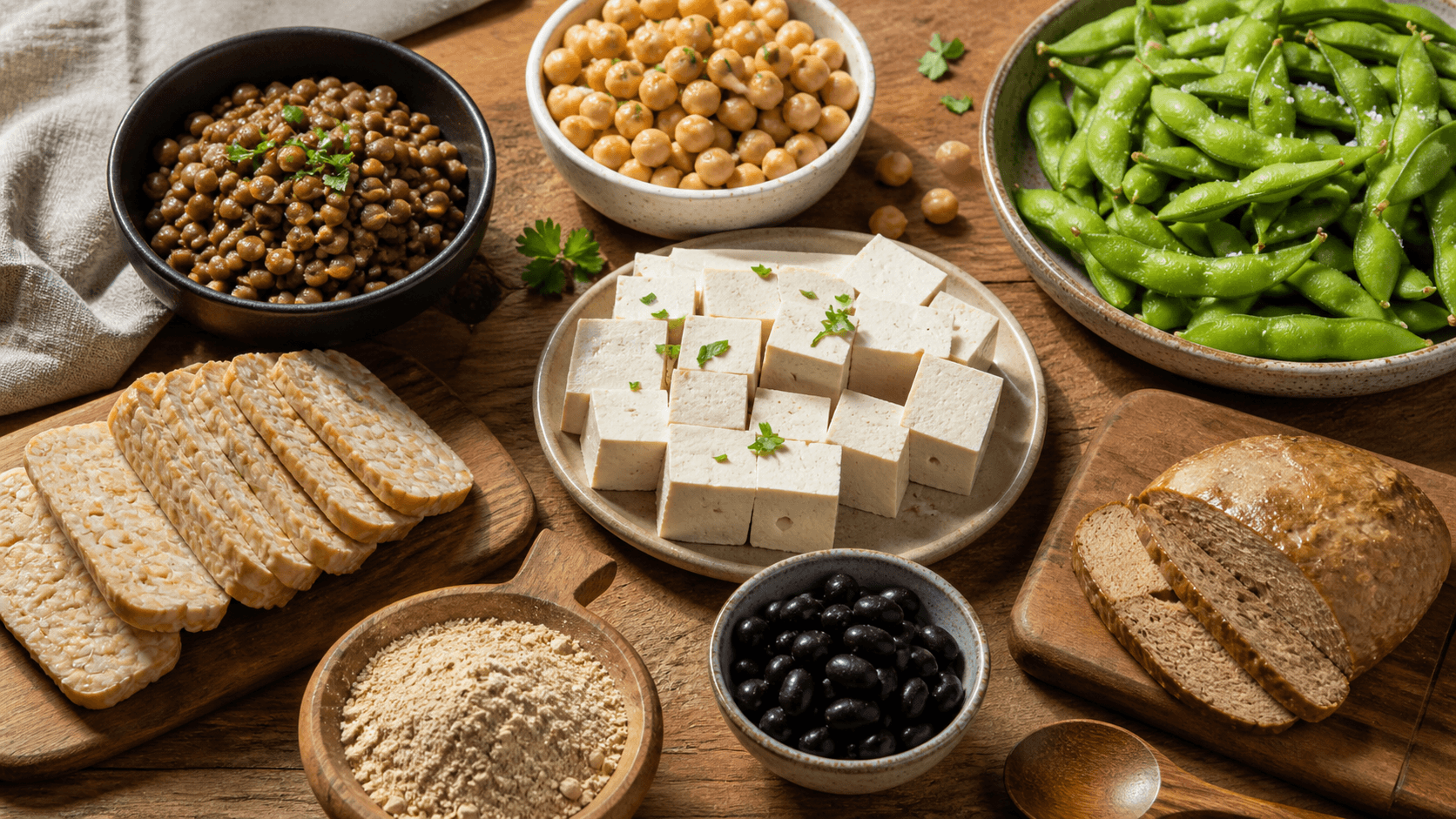
The key for vegetarian and vegan clients is variety and quantity. Combining different plant protein sources across the day, such as legumes, soy products (tofu, tempeh, edamame, soy milk), seitan, pea protein, and whole grains, ensures a complete amino acid profile. I typically recommend that my plant-based clients aim for the higher end of the protein range, around 1.8 to 2.2 grams per kilogram of body weight, to account for the slightly lower digestibility and leucine content of plant sources. With that adjustment, the results are comparable. I have coached vegetarian and vegan clients to significant muscle gains and dramatic body transformations without a single gram of animal protein.
Myth 5: More Protein Is Always Better
There is a subset of the fitness industry that seems to believe that if some protein is good, triple that amount must be three times as good. It does not work that way. The evidence on optimal protein intake for muscle growth and retention during fat loss is clear and consistent. For most individuals engaged in regular resistance training, a daily protein intake of 1.6 to 2.2 grams per kilogram of body weight is sufficient to maximise muscle protein synthesis and support body composition goals (8). Going above this range is unlikely to produce additional muscle-building benefits.
That does not mean consuming more protein is harmful. As I covered in the kidney myth section, high protein intakes are safe for healthy individuals. But there is an opportunity cost. Every gram of protein you eat above what your body can use for muscle-related purposes is either oxidised for energy or converted and stored. Those calories could be allocated to carbohydrates, which fuel your training performance, or to dietary fats, which support hormonal health. Eating 3 or 4 grams of protein per kilo is not dangerous, but it is unnecessary and can displace other macronutrients that are also important for your results and your health.
Myth 6: You Need Protein Supplements to Get Enough Protein
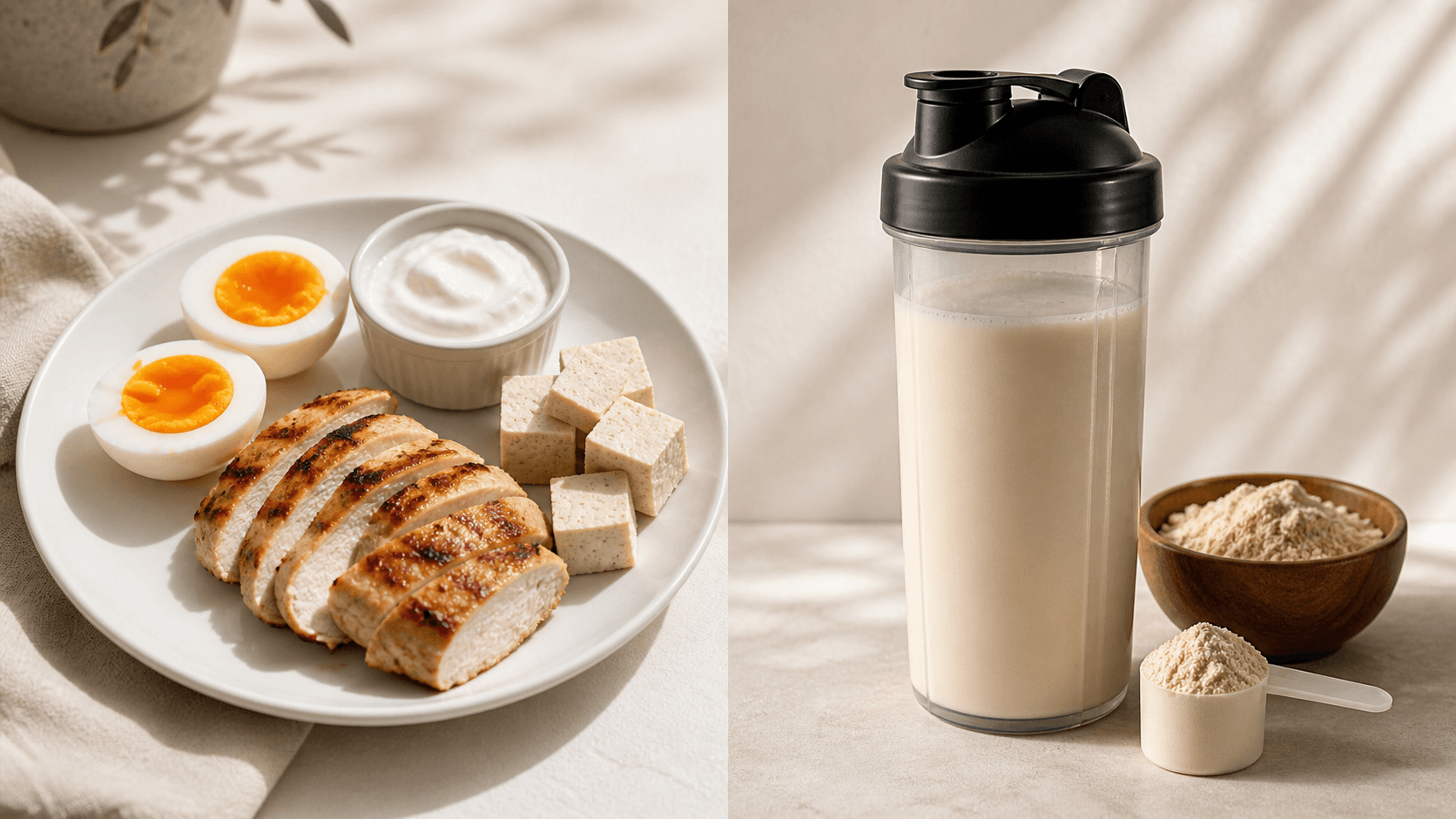
Protein supplements are tools of convenience, not necessity. A high-quality whey protein, casein, or plant-based protein powder (pea, soy, rice, or blends) can be useful for hitting your daily protein target, particularly for people with busy schedules, those in a calorie deficit where food volume is limited, or vegetarian and vegan clients who may find it harder to reach higher protein targets through whole foods alone. But a protein shake is not superior to a chicken breast, a block of tofu, a bowl of lentils, or a serving of Greek yoghurt. Whole food sources provide additional micronutrients, fibre, and satiety benefits that powders do not.
I use protein supplements with my clients as a practical tool when the maths calls for it. If a client needs 150 grams of protein per day and is consistently hitting 110 through food, a shake bridging that 40-gram gap is sensible and efficient. But I never build a nutrition plan around supplements. Food comes first. Always.
What the Evidence Actually Says: A Quick Reference
How Much Protein Do You Need?
For individuals engaged in regular resistance training, 1.6 to 2.2 grams per kilogram of body weight per day is the evidence-based range for maximising muscle growth and retention (8). During aggressive calorie deficits, aiming toward the higher end of this range helps preserve lean mass. For sedentary individuals, 0.8 grams per kilogram is the minimum recommended intake, though most people benefit from more.
How Should You Distribute It?
Spreading your protein across 3 to 5 meals per day, with each meal containing at least 20 to 40 grams, is a practical approach that optimises muscle protein synthesis across the day (1). You do not need to eat protein every two hours. You do not need to set an alarm to have a shake at midnight. Just aim for a reasonable distribution across your main meals and you will be fine.
What Are the Best Sources?
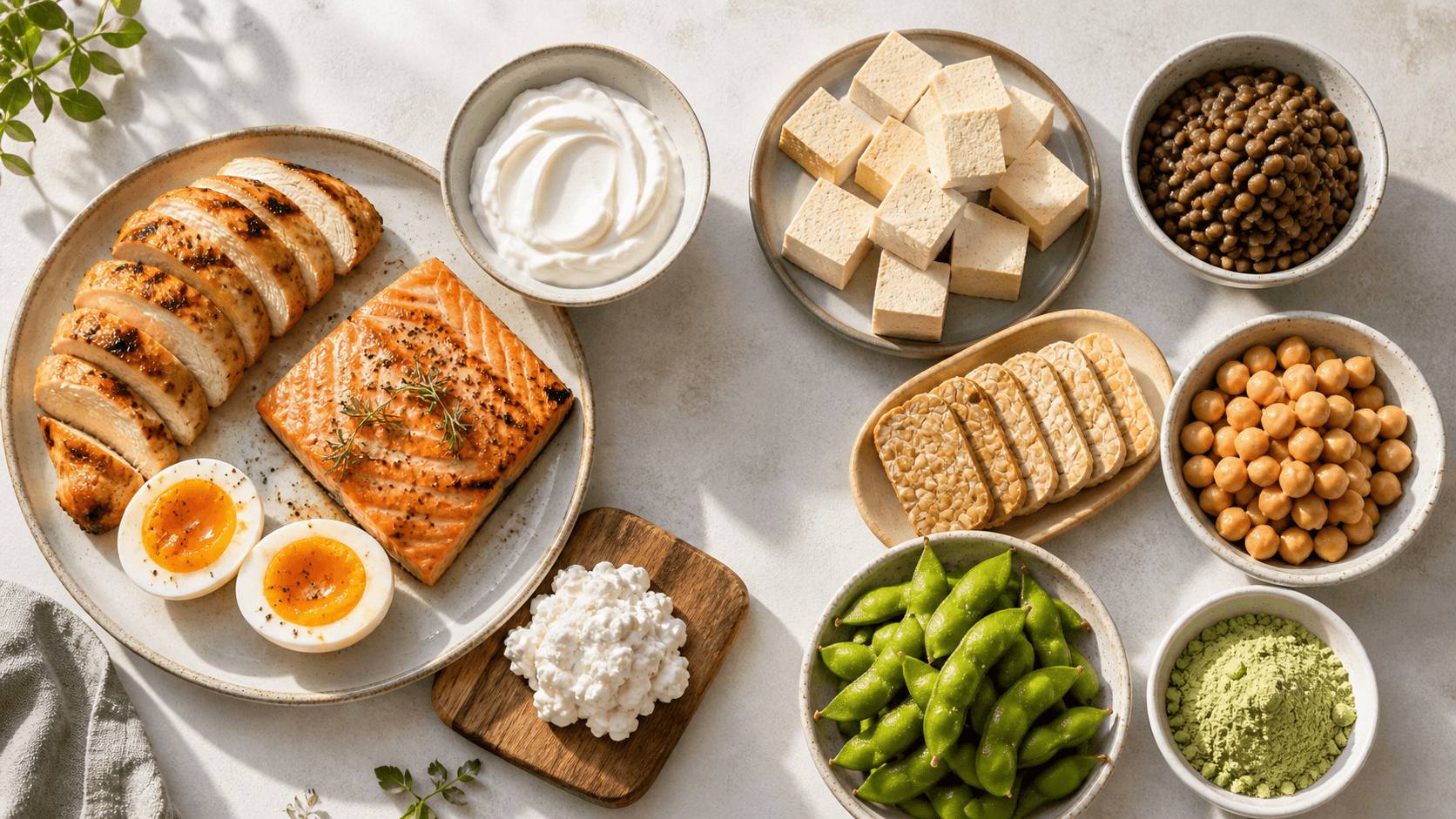
For omnivores: chicken, turkey, lean beef, fish, eggs, Greek yoghurt, cottage cheese, and whey or casein protein supplements. For vegetarians: eggs, Greek yoghurt, cottage cheese, tofu, tempeh, paneer, legumes, and whey or plant-based protein powders. For vegans: tofu, tempeh, seitan, edamame, lentils, chickpeas, black beans, soy milk, pea protein, soy protein, and rice and pea protein blends. Variety matters. No single source needs to provide everything.
Does Protein Source Quality Matter?
Yes, but less than you think if your overall intake is adequate and varied. Animal proteins are generally more digestible and have more complete amino acid profiles, but well-planned plant-based diets compensate through variety and slightly higher total intake. The DIAAS (Digestible Indispensable Amino Acid Score) is the current gold standard for assessing protein quality, and soy protein scores comparably to many animal sources (9).
Does Cooking Affect Protein?
Cooking does not destroy protein. In fact, cooking generally improves protein digestibility by denaturing the protein structure, making it easier for your digestive enzymes to break it down (10). Cook your food however you prefer without worrying about “damaging” the protein.

Top Tips for Hitting Your Protein Target Every Day
Front-Load Your Protein at Breakfast
Most people under-eat protein at breakfast and overcompensate at dinner. Starting the day with 30 to 40 grams of protein sets you up for success. Greek yoghurt with nuts and seeds, eggs on toast, a tofu scramble, a protein smoothie with pea or whey protein and oats, or overnight oats made with protein powder and soy milk are all simple, high-protein breakfasts that take minutes to prepare.
Build Every Meal Around a Protein Source
Before you think about carbohydrates, fats, or vegetables, decide what your protein source is for each meal. This simple habit ensures protein never gets left behind. Once the protein is locked in, everything else fills in around it.
Keep High-Protein Snacks Accessible
When hunger hits between meals, having a high-protein option within reach prevents you from defaulting to crisps, biscuits, or whatever is in the office kitchen. Boiled eggs, Greek yoghurt pots, edamame, roasted chickpeas, cottage cheese, jerky (for meat eaters), or a pre-made protein shake are all quick options that keep your intake on track.
Use Supplements Strategically, Not Habitually
A protein shake is most useful when whole food is impractical. Post-training when you are short on time, between meetings when you cannot sit down for a meal, or as part of a smoothie when you need a calorie-efficient protein hit. Do not rely on shakes as your primary protein source. Use them to fill the gap between what you eat and what you need.
Track for Two Weeks to Calibrate
Most people have no idea how much protein they actually eat. Track your intake for 14 days using an app like MyFitnessPal or Cronometer. You will quickly see where the gaps are and which meals need attention. After two weeks, most clients have enough awareness to manage their intake intuitively without tracking every gram indefinitely.
The Bottom Line
Protein is essential. It is non-negotiable for anyone pursuing fat loss, muscle growth, or improved body composition. But the myths surrounding it create unnecessary confusion, anxiety, and wasted money on products and protocols that do not matter. You do not need to eat every 30 minutes. You do not need to panic about an anabolic window. You do not need to fear kidney damage. You do not need meat to build muscle. And you do not need to eat 4 grams per kilo to see results. What you need is a consistent daily intake of 1.6 to 2.2 grams per kilogram of body weight, spread reasonably across your meals, from sources you enjoy and can sustain long term. That is it. The rest is noise.
If you want a nutrition plan that takes the guesswork out of protein intake, accounts for your dietary preferences, your training, your lifestyle, and your specific goals, get in touch through trperformancecoaching.com. I work one-to-one with clients online globally, across every dietary background. Whether you eat meat, are vegetarian, vegan, or somewhere in between, I will build a plan that works for you and delivers results.
Work with Me
Get a personalised coaching plan built around your goals, your schedule, and your life.
Enquire NowReferences
- Moore DR, Robinson MJ, Fry JL, et al. Ingested protein dose response of muscle and albumin protein synthesis after resistance exercise in young men. American Journal of Clinical Nutrition. 2009; 89(1): 161-168.
- Schoenfeld BJ, Aragon AA. How much protein can the body use in a single meal for muscle-building? Implications for daily protein distribution. Journal of the International Society of Sports Nutrition. 2018; 15: 10.
- Schoenfeld BJ, Aragon AA, Krieger JW. The effect of protein timing on muscle strength and hypertrophy: a meta-analysis. Journal of the International Society of Sports Nutrition. 2013; 10: 53.
- Antonio J, Ellerbroek A, Silver T, et al. A high protein diet has no harmful effects: a one-year crossover study in resistance-trained males. Journal of Nutrition and Metabolism. 2016; 2016: 9104792.
- Martin WF, Armstrong LE, Rodriguez NR. Dietary protein intake and renal function. Nutrition and Metabolism. 2005; 2: 25.
- van Vliet S, Burd NA, van Loon LJ. The skeletal muscle anabolic response to plant- versus animal-based protein consumption. Journal of Nutrition. 2015; 145(9): 1981-1991.
- Hevia-Larrain V, Gualano B, Longobardi I, et al. High-protein plant-based diet versus a protein-matched omnivorous diet to support resistance training adaptations: a comparison between habitual vegans and omnivores. Sports Medicine. 2021; 51(6): 1317-1330.
- Morton RW, Murphy KT, McKellar SR, et al. A systematic review, meta-analysis and meta-regression of the effect of protein supplementation on resistance training-induced gains in muscle mass and strength in healthy adults. British Journal of Sports Medicine. 2018; 52(6): 376-384.
- Rutherfurd SM, Fanning AC, Miller BJ, Moughan PJ. Protein digestibility-corrected amino acid scores and digestible indispensable amino acid scores differentially describe protein quality in growing male rats. Journal of Nutrition. 2015; 145(2): 372-379.
- Evenepoel P, Geypens B, Luypaerts A, Hiele M, Ghoos Y, Rutgeerts P. Digestibility of cooked and raw egg protein in humans as assessed by stable isotope techniques. Journal of Nutrition. 1998; 128(10): 1716-1722.