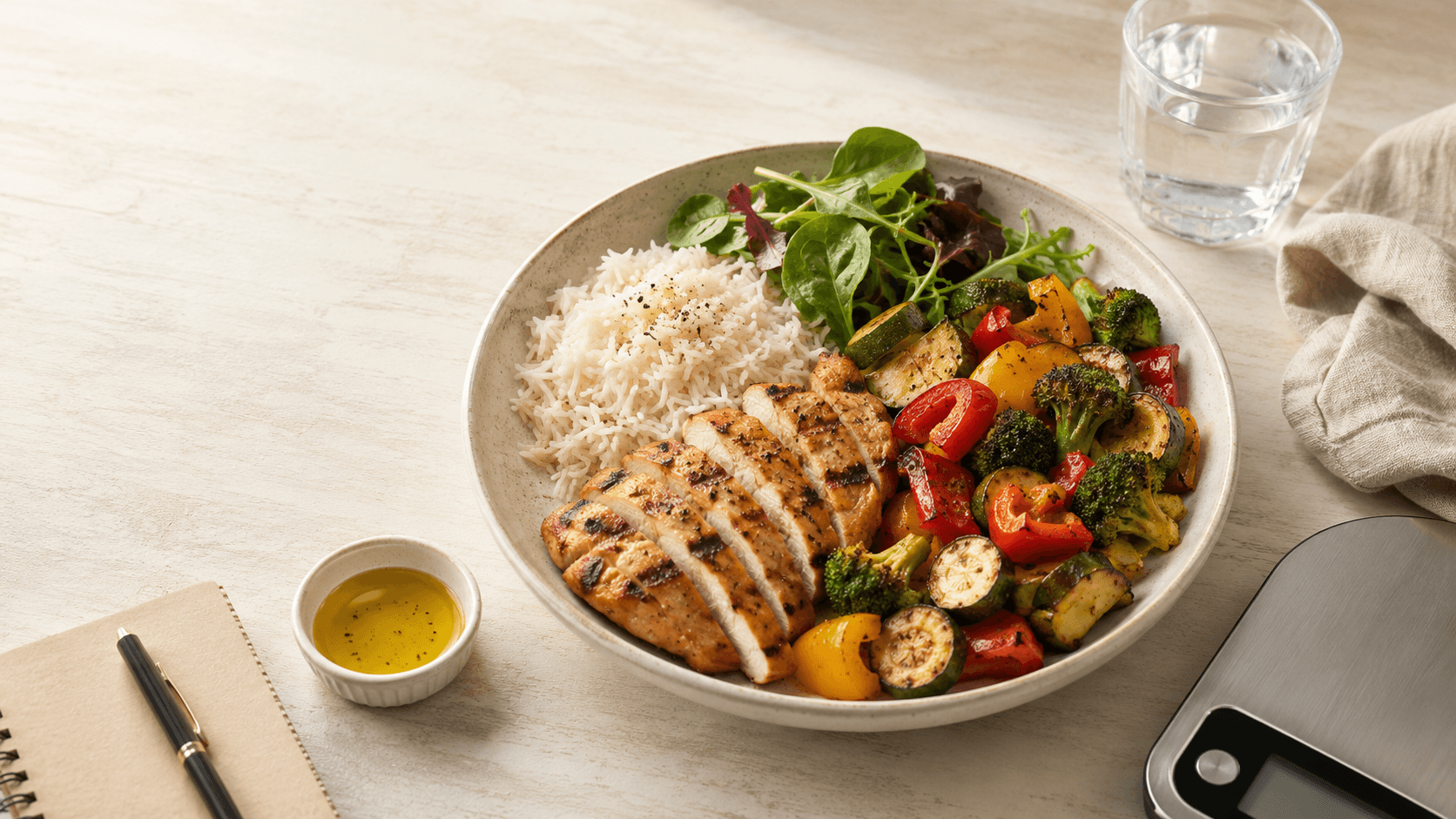
The question I get asked more than any other is how to eat for fat loss. Not which supplement to take, not which exercise to do, but what should I actually be eating to lose body fat? And I understand why people are confused. The nutrition industry has spent decades overcomplicating something that is, at its core, built on a small number of fundamental principles. Every year brings a new dietary trend claiming to be the breakthrough: keto, carnivore, plant-based, intermittent fasting, juice cleanses, detoxes. Each one is marketed as revolutionary. Each one is presented as the answer. And each one distracts people from the principles that actually determine whether they lose fat or not.
The consequence of this confusion is that most people spend years cycling between one dietary approach and the next, never understanding why some worked temporarily, why all of them eventually stopped working, and why they keep ending up back where they started. A 2020 network meta-analysis published in the BMJ examined 14 named diets including low-fat, low-carbohydrate, Mediterranean, and others, and found that at 12 months there was no significant difference in weight loss between any of them (1). None of them were magic. All of them worked only insofar as they created the same underlying conditions. Understanding those conditions is the difference between temporary weight loss and permanent body transformation.
I have worked with meat eaters, vegetarians, vegans, and everything in between. I have coached clients through fat loss while managing type 2 diabetes, type 1 diabetes, PCOS, hypertension, and post-menopause. The nutrition principles I use are the same for all of them. The execution varies. The principles do not. Here they are, in order of importance.
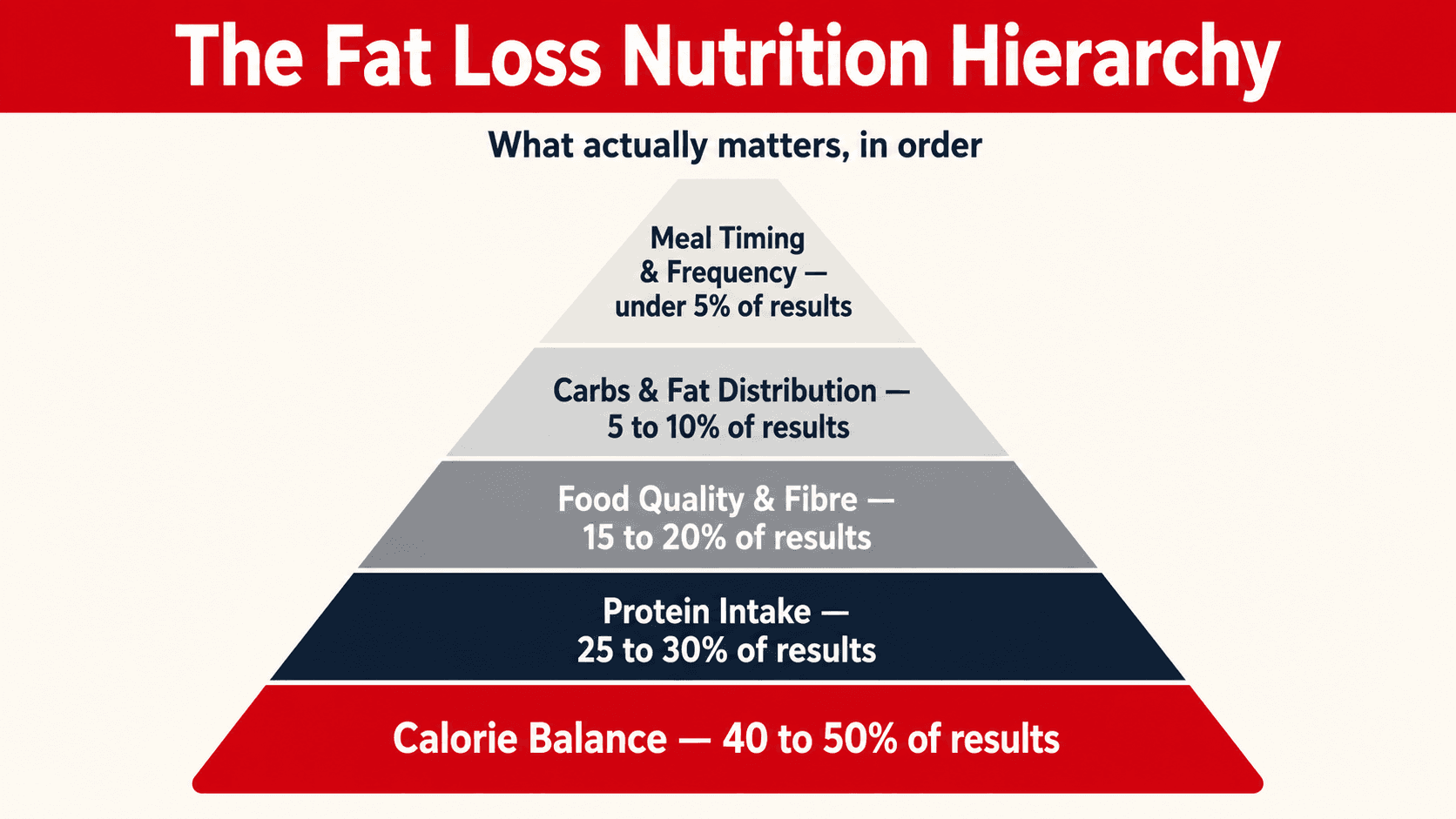
The Fat Loss Nutrition Hierarchy: What Actually Matters, in Order
Not all nutritional factors carry equal weight. This hierarchy represents the order of importance I apply to every client's nutrition plan. Getting the top three right accounts for approximately 80 to 90 percent of your results. Getting the bottom two right optimises the remaining 10 to 20 percent. Most people obsess over the bottom of this hierarchy while ignoring the top.
| Priority | Factor | Why It Matters | Contribution to Results |
|---|---|---|---|
| 1 | Calorie Balance | The energy deficit is the single most important determinant of fat loss. No dietary strategy works without it (2). | Approximately 40 to 50% of your total results. Get this wrong and nothing else matters. |
| 2 | Protein Intake | Preserves muscle mass during a deficit, increases satiety, has the highest thermic effect of any macronutrient (3). | Approximately 25 to 30% of your results. The most important macronutrient for body composition. |
| 3 | Food Quality and Fibre | Whole, minimally processed foods increase satiety, improve nutrient density, support gut health, and make adherence easier (4). | Approximately 15 to 20% of your results. Dramatically affects how sustainable the diet feels. |
| 4 | Carbohydrate and Fat Distribution | Affects training performance, hormonal health, and individual preference. Must support minimum fat intake for hormones (5). | Approximately 5 to 10% of your results. Important for optimisation but secondary to the above. |
| 5 | Meal Timing and Frequency | Influences adherence, hunger management, and training fuel. Has minimal direct effect on fat loss itself (6). | Less than 5% of your results. Useful for fine-tuning but irrelevant if the hierarchy above is not in place. |
Principle 1: The Calorie Deficit Is Non-Negotiable
Every diet that has ever produced fat loss has done so because it created a calorie deficit. Low-carb diets work when they create a deficit. Low-fat diets work when they create a deficit. Intermittent fasting works when it creates a deficit. Veganism works when it creates a deficit. The mechanism by which the deficit is achieved varies. The requirement for the deficit itself does not (2).
I set most of my clients at a deficit of 400 to 600 calories below their maintenance level. This produces a rate of fat loss of approximately 0.5 to 1 percent of bodyweight per week, which research indicates is the optimal range for maximising fat loss while minimising muscle loss and metabolic adaptation (7). Larger deficits produce faster initial weight loss but at the cost of greater muscle loss, more severe hunger, worse training performance, and faster metabolic adaptation. Smaller deficits are more comfortable but produce slower results that can test patience and motivation.
Start your fat loss diet at a deficit of 400 to 600 calories below your genuine maintenance intake. If you do not know your maintenance calories, track your food precisely for two weeks while monitoring your weight. If your weight is stable, that is approximately your maintenance. Subtract 400 to 600 calories from that number and you have your fat loss target.
Principle 2: Protein Is the Single Most Important Macronutrient
If I could only control one macronutrient in a client's diet, it would be protein. During a calorie deficit, protein serves multiple critical functions. It provides the amino acids needed to maintain and repair muscle tissue, which is under constant threat of breakdown when energy is restricted. It produces the greatest thermic effect of any macronutrient, meaning your body burns approximately 20 to 30 percent of protein calories during digestion compared to 5 to 10 percent for carbohydrates and 0 to 3 percent for fat (8). And it is the most satiating macronutrient, meaning it reduces hunger more effectively than the same number of calories from carbohydrates or fat (3).
I set protein at 1.8 to 2.2 grams per kilogram of bodyweight for most clients during a fat loss phase. A meta-analysis of 49 studies found that protein supplementation beyond 1.62 grams per kilogram per day produced no further gains in fat-free mass during resistance training (9). However, during a calorie deficit, the demands on protein are higher because the body is more prone to muscle catabolism, so I programme toward the upper end of the range.
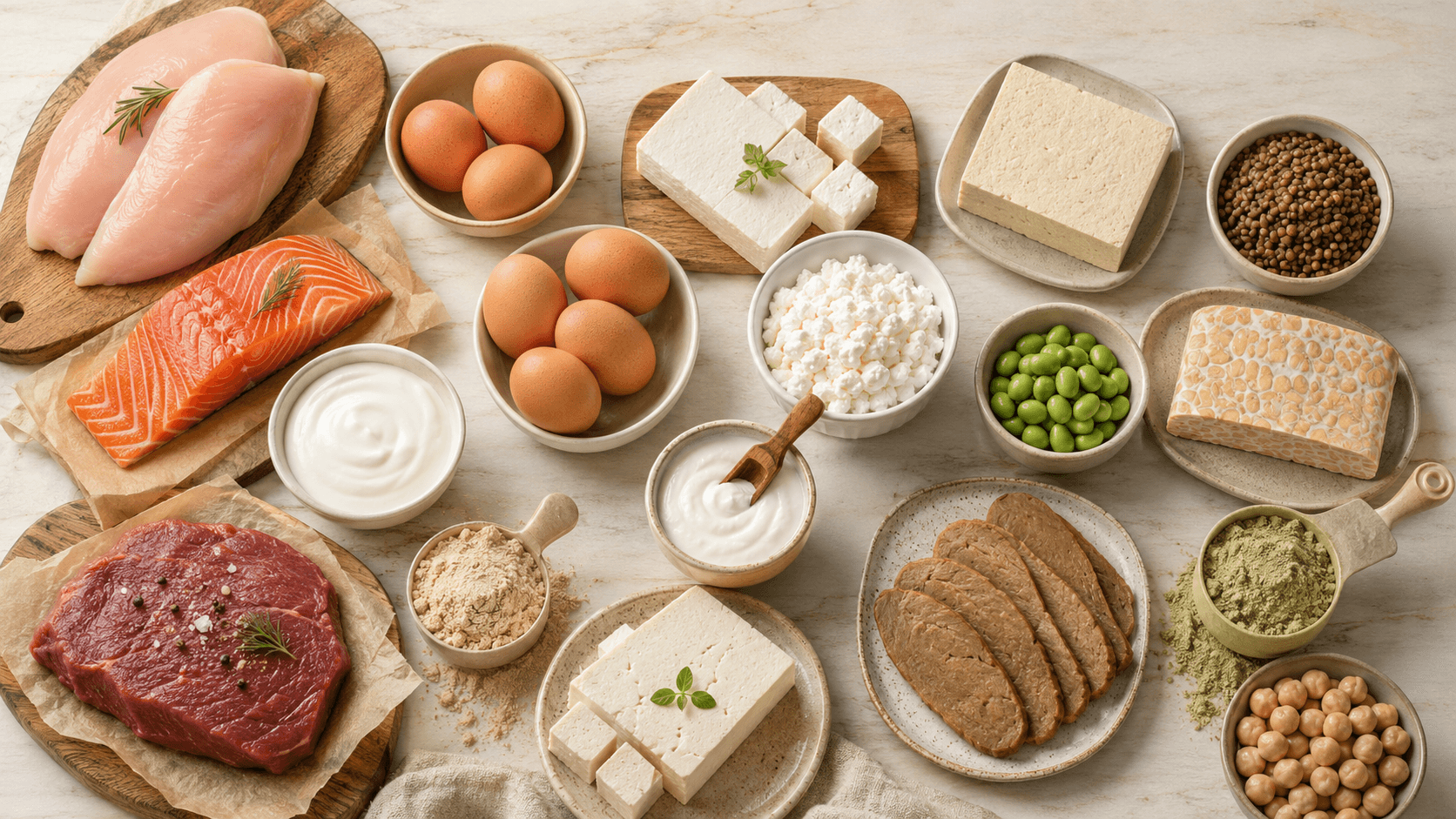
High Quality Protein Sources for Every Dietary Preference
This table lists the best protein sources I recommend to clients across all dietary backgrounds. Protein quality and digestibility matter, but the most important factor is hitting your daily total consistently.
| Dietary Preference | Primary Protein Sources | Approximate Protein per Serving |
|---|---|---|
| Omnivore | Chicken breast, turkey breast, white fish, salmon, lean beef, eggs, Greek yoghurt, whey protein | Chicken breast 150g = 46g. Salmon 150g = 34g. Eggs x3 = 18g. Greek yoghurt 200g = 20g. |
| Vegetarian | Eggs, Greek yoghurt, cottage cheese, whey protein, casein protein, tofu, tempeh, seitan, paneer | Eggs x3 = 18g. Tofu 200g = 20g. Seitan 100g = 25g. Whey scoop = 25g. |
| Vegan | Tofu, tempeh, seitan, edamame, lentils, chickpeas, black beans, soy protein isolate, pea protein, mycoprotein (Quorn) | Tempeh 150g = 28g. Lentils 200g cooked = 18g. Pea protein scoop = 24g. Seitan 100g = 25g. |
| Supplementary (all diets) | Whey protein (omnivore/vegetarian), pea protein, soy protein isolate, rice and pea protein blend (vegan) | One scoop typically provides 20 to 30g of protein. Use to fill gaps, not as a primary source. |
Build every meal around a protein source first, then add carbohydrates and fats around it. Protein is the hardest macronutrient to hit consistently, particularly for vegetarian and vegan clients. If you plan your protein first, hitting your target becomes straightforward. If you leave protein to chance, you will almost certainly fall short by the end of the day.
Principle 3: Food Quality Determines Sustainability
Technically, you can lose fat eating nothing but processed food as long as you maintain a calorie deficit. But practically, this approach fails almost every time. Whole, minimally processed foods are more satiating per calorie than their processed equivalents. A study examining the effects of ultra-processed versus unprocessed diets found that participants consumed approximately 500 more calories per day when eating ultra-processed foods compared to unprocessed foods, despite both diets being matched for available calories, macronutrients, sugar, sodium, and fibre (10). The ultra-processed group ate faster and gained weight. The unprocessed group naturally ate less and lost weight.
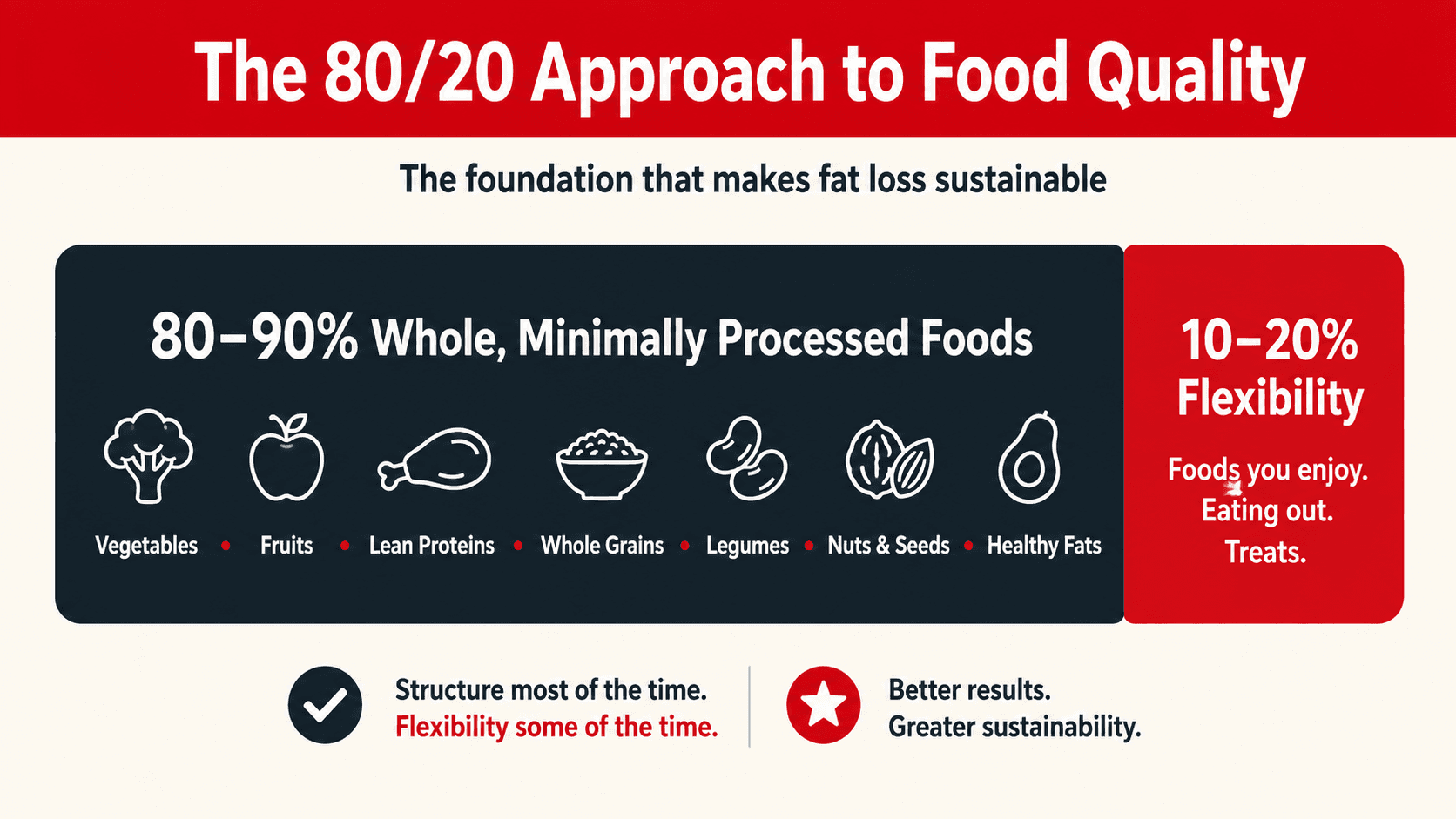
This does not mean you can never eat processed food. It means that the foundation of your diet, approximately 80 to 90 percent of your total intake, should come from whole, minimally processed sources. Vegetables, fruits, lean proteins, whole grains, legumes, nuts, seeds, and healthy fats. The remaining 10 to 20 percent can include whatever you enjoy, because rigid dietary restriction is one of the strongest predictors of eventual dietary failure (11).
Fibre deserves specific mention. I aim for a minimum of 25 to 30 grams of fibre per day for all clients during a fat loss phase. Fibre slows gastric emptying, promotes satiety, feeds beneficial gut bacteria, and improves blood glucose regulation. For clients managing type 2 diabetes or PCOS, fibre intake is particularly important for glycaemic control. Good sources include vegetables, legumes, lentils, oats, berries, and whole grains.
Aim for 80 to 90 percent of your calories from whole, minimally processed foods and allow 10 to 20 percent flexibility. This ratio gives you the satiety, nutrient density, and health benefits of a whole food diet while preserving the psychological flexibility that makes long-term adherence possible. Perfection is not required. Consistency is.
Principle 4: Carbohydrates and Fats Are Tools, Not Enemies
Once protein and total calories are set, the remaining calories are distributed between carbohydrates and fats. The ratio between these two macronutrients matters far less than most people believe. What matters is that both are present in sufficient amounts to support health and performance, and that the distribution aligns with the individual's preferences, training demands, and metabolic health.
I never drop fat below approximately 0.7 grams per kilogram of bodyweight. Dietary fat is essential for the production of testosterone, oestrogen, and other steroid hormones. It supports the absorption of fat-soluble vitamins A, D, E, and K. Dropping fat too low during a deficit compromises hormonal function and creates a diet that feels deprived and unsustainable (5). For most of my clients in a fat loss phase, fat intake falls in the range of 0.8 to 1.2 grams per kilogram per day.
Carbohydrates fill the remaining calories after protein and fat are set. For clients who train with high volume and intensity, carbohydrates are critical for fuelling resistance training and maintaining glycogen stores. For clients with type 2 diabetes, PCOS, or significant insulin resistance, I may start with moderately lower carbohydrates and higher fats, then reintroduce carbohydrates progressively as insulin sensitivity improves with weight loss and exercise. Neither approach is universally better. The right approach is the one that supports the individual's training, health, adherence, and preferences.
Do not fear carbohydrates or fats. Fear the absence of protein and the absence of a calorie deficit. Carbohydrates do not make you fat. Fat does not make you fat. A sustained calorie surplus makes you fat. Within a deficit, both macronutrients serve important physiological functions and should be present in your diet.
The Fat Loss Meal Building Framework
Every meal during a fat loss phase should follow a simple structure. This framework ensures you hit your protein target, maximise satiety, and maintain food quality without needing to weigh and track every single ingredient in perpetuity. Use it as a template for building any meal.
| Component | What to Include | Portion Guide | Why It Is There |
|---|---|---|---|
| 1. Protein | Chicken, fish, eggs, tofu, tempeh, seitan, lentils, Greek yoghurt, cottage cheese, protein powder | Palm-sized portion (30 to 50g protein per meal depending on your daily target and meal frequency) | Muscle preservation, satiety, thermic effect |
| 2. Vegetables | Any non-starchy vegetables: broccoli, spinach, peppers, courgettes, green beans, salad leaves, tomatoes, mushrooms | At least half your plate. Volume is the goal. Aim for 2 to 3 fist-sized portions | Volume, fibre, micronutrients, satiety for minimal calories |
| 3. Complex Carbs | Rice, potatoes, sweet potatoes, oats, pasta, bread, quinoa, beans, lentils, fruit | Cupped hand portion (adjust based on your calorie and carbohydrate target) | Training fuel, energy, fibre, satisfaction |
| 4. Healthy Fats | Olive oil, avocado, nuts, seeds, oily fish, cheese (in moderation) | Thumb-sized portion (10 to 15g fat per addition) | Hormonal health, fat-soluble vitamin absorption, flavour and palatability |
Principle 5: Meal Timing and Frequency Are Personal Preferences
Whether you eat two meals a day or six meals a day has minimal direct impact on fat loss as long as your daily calorie and protein targets are met (6). The research is clear: meal frequency does not meaningfully affect metabolic rate, fat oxidation, or body composition when total daily intake is equated. What meal timing does affect is adherence, hunger management, and training performance, all of which are important but individually determined.
I do not prescribe a specific number of meals. I ask each client how many meals per day fits naturally into their lifestyle and then structure their nutrition targets accordingly. A busy executive who cannot eat until noon does perfectly well with two or three larger meals. A parent who grazes throughout the day while managing children does fine with four to five smaller meals. The structure that produces the best adherence is the best structure for that individual.
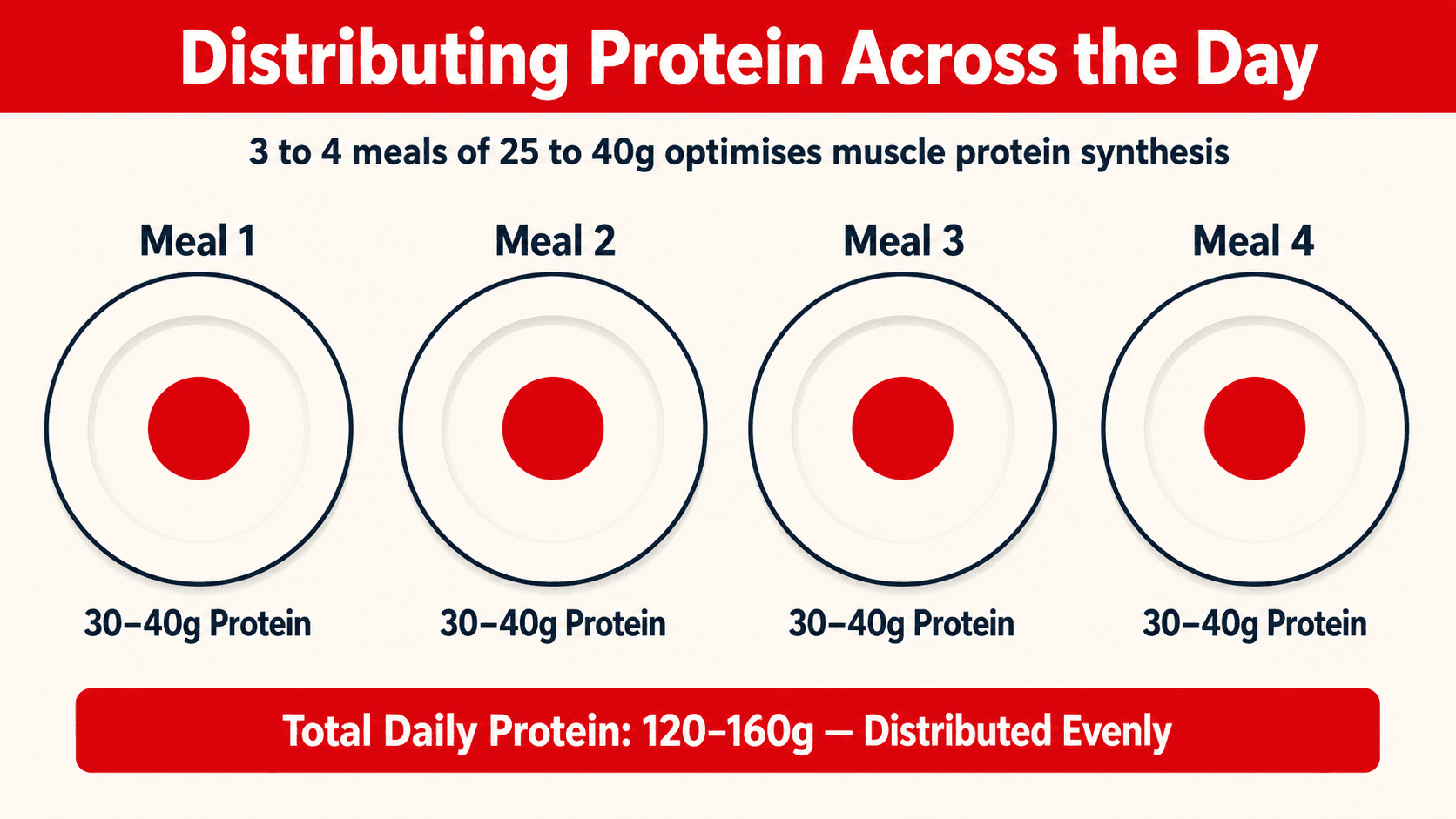
The one timing recommendation I do make consistently is to distribute protein relatively evenly across meals rather than concentrating it in one or two sittings. Research suggests that distributing protein across three to four meals of 25 to 40 grams each optimises muscle protein synthesis throughout the day (12). This is particularly relevant during a fat loss phase when muscle preservation is a priority.
Eat however many meals fit your lifestyle, but spread your protein across at least three to four eating occasions per day. This is the one meal timing recommendation that has meaningful evidence behind it for body composition outcomes during a deficit.
The Nutrition Mistakes That Sabotage Fat Loss
Not eating enough protein is the single most common nutritional error I see in new clients. The majority of people who come to me are eating 60 to 80 grams of protein per day when they need 120 to 160 grams or more. This is especially true for vegetarian and vegan clients who have not learned how to structure meals around high-protein plant sources. Low protein intake during a deficit means more muscle loss, more hunger, lower metabolic rate, and a worse body composition outcome even if total weight loss is the same.
Demonising entire food groups creates unnecessary restriction and impairs adherence. Carbohydrates are not the enemy. Fat is not the enemy. Gluten is not causing your fat gain (unless you have coeliac disease). Dairy is not making you store fat (unless you are lactose intolerant and it causes digestive distress). Fruit is not too high in sugar. Every time you unnecessarily eliminate a food group, you narrow your dietary options, increase the psychological burden of the diet, and make long-term adherence harder.
Relying on willpower instead of building a food environment that supports your goals leads to consistent failure. Willpower is a finite resource that depletes throughout the day. If your kitchen is full of highly palatable, calorie-dense snack foods, you will eventually eat them regardless of your intentions. Stock your environment with foods that align with your goals. If a food is not in your house, you will not eat it at 10pm when your willpower is exhausted.
Drinking your calories is one of the fastest ways to undermine a deficit without realising it. Fruit juices, smoothies, sugary coffees, alcohol, and soft drinks add significant calories with minimal satiety. A large latte with syrup can contain 300 to 400 calories. Two glasses of wine add 300 calories. A shop-bought smoothie can easily exceed 400 calories. These liquid calories do not register as food in the same way solid food does, meaning they add to your total intake without reducing your hunger.
Top Tips: Eating for Fat Loss
Track your food for at least the first four weeks of any fat loss phase. Most people have no accurate concept of how many calories or how much protein they are consuming. Four weeks of tracking builds awareness that will serve you long after you stop logging every meal. Use a digital food scale for the first two weeks to calibrate your portion perception.
Hit your protein target before worrying about anything else. If your calories are in a deficit and your protein is at 1.8 to 2.2 grams per kilogram, you are covering approximately 70 to 80 percent of the nutritional factors that determine your results. Everything else is optimisation.
Eat vegetables at every meal. Vegetables provide volume, fibre, and micronutrients for minimal calories. They are the single most effective satiety tool in a fat loss diet. If you are hungry during a deficit, the first question I ask is how many vegetables are you eating. The answer is almost always not enough.
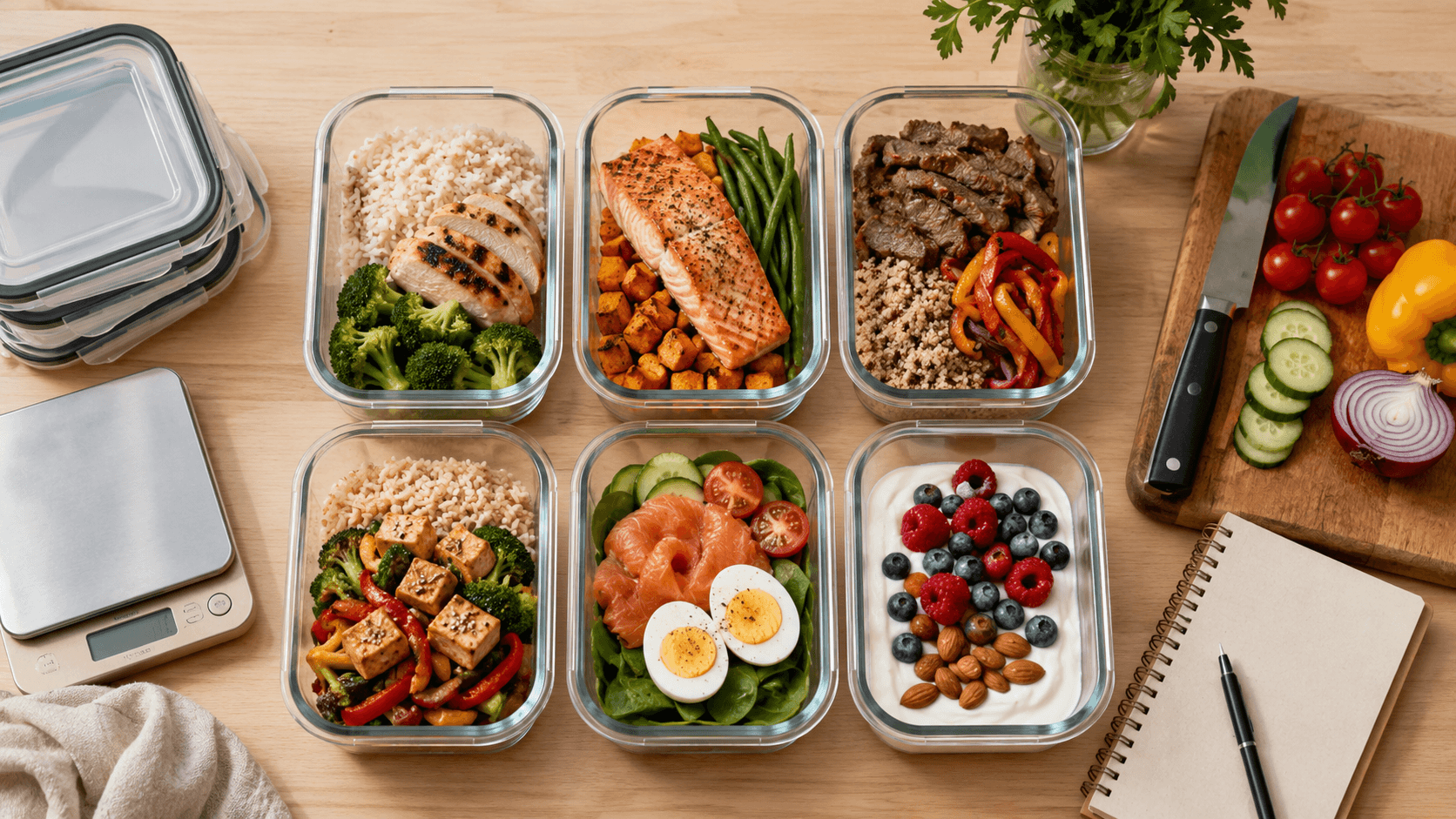
Prepare your meals in advance at least three to four days ahead. Meal preparation removes the decision fatigue that leads to poor food choices when you are hungry, tired, and short on time. It does not need to be complicated. Cook a batch of protein, a batch of carbohydrates, and prepare vegetables. Assemble meals as needed. This alone improves adherence dramatically.
If your current approach is not working, audit the hierarchy before making random changes. Are your calories genuinely in a deficit? Is your protein sufficient? Are you eating predominantly whole foods? These three questions resolve the vast majority of fat loss stalls. Do not jump to manipulating meal timing, supplement stacks, or carbohydrate cycling until the fundamentals are confirmed.
Allow yourself flexibility. Rigid diets do not last. Research consistently shows that flexible dietary approaches produce better long-term outcomes than rigid ones (11). Include foods you enjoy within your calorie target. Eat out occasionally. Have dessert sometimes. The 80/20 principle, where 80 to 90 percent of your intake comes from whole foods and the remainder is flexible, produces the best balance of results and sustainability.
The Bottom Line
How to eat for fat loss is not complicated. It is a calorie deficit, sufficient protein, predominantly whole foods, adequate fats for hormonal health, and enough carbohydrates to fuel your training and your life. The hierarchy is clear. The execution requires consistency, not perfection. Every named diet that has ever worked has worked because it applied these principles, whether it acknowledged them or not.
If you are ready to stop cycling between diets and start applying the principles that actually produce lasting results, get in touch. I work one-to-one with clients online globally. Whether you eat meat, are vegetarian, vegan, or somewhere in between, whether you are managing diabetes, PCOS, hypertension, or simply want to transform your body composition, I will build a nutrition plan around your life, your preferences, and your goals. No fads. No demonising food groups. Just structured, evidence-based nutrition coaching that delivers.
Work with Me
Get a personalised coaching plan built around your goals, your schedule, and your life.
Enquire NowReferences
- Ge L, Sadeghirad B, Ball GDC, et al. Comparison of dietary macronutrient patterns of 14 popular named dietary programmes for weight and cardiovascular risk factor reduction in adults: systematic review and network meta-analysis of randomised trials. BMJ. 2020; 369: m696.
- Kim JY. Optimal diet strategies for weight loss and weight loss maintenance. Journal of Obesity and Metabolic Syndrome. 2021; 30(1): 20-31.
- Paddon-Jones D, Westman E, Mattes RD, Wolfe RR, Astrup A, Westerterp-Plantenga M. Protein, weight management, and satiety. American Journal of Clinical Nutrition. 2008; 87(5): 1558S-1561S.
- Hall KD, Ayuketah A, Brychta R, et al. Ultra-processed diets cause excess calorie intake and weight gain: an inpatient randomized controlled trial of ad libitum food intake. Cell Metabolism. 2019; 30(1): 67-77.
- Helms ER, Aragon AA, Fitschen PJ. Evidence-based recommendations for natural bodybuilding contest preparation: nutrition and supplementation. Journal of the International Society of Sports Nutrition. 2014; 11: 20.
- Schoenfeld BJ, Aragon AA, Krieger JW. Effects of meal frequency on weight loss and body composition: a meta-analysis. Nutrition Reviews. 2015; 73(2): 69-82.
- Garthe I, Raastad T, Refsnes PE, Koivisto A, Sundgot-Borgen J. Effect of two different weight-loss rates on body composition and strength and power-related performance in elite athletes. International Journal of Sport Nutrition and Exercise Metabolism. 2011; 21(2): 97-104.
- Westerterp KR. Diet induced thermogenesis. Nutrition and Metabolism. 2004; 1(1): 5.
- Morton RW, Murphy KT, McKellar SR, et al. A systematic review, meta-analysis and meta-regression of the effect of protein supplementation on resistance training-induced gains in muscle mass and strength in healthy adults. British Journal of Sports Medicine. 2018; 52(6): 376-384.
- Hall KD, Ayuketah A, Brychta R, et al. Ultra-processed diets cause excess calorie intake and weight gain: an inpatient randomized controlled trial of ad libitum food intake. Cell Metabolism. 2019; 30(1): 67-77.
- Stewart TM, Williamson DA, White MA. Rigid vs flexible dieting: association with eating disorder symptoms in nonobese women. Appetite. 2002; 38(1): 39-44.
- Schoenfeld BJ, Aragon AA. How much protein can the body use in a single meal for muscle-building? Implications for daily protein distribution. Journal of the International Society of Sports Nutrition. 2018; 15: 10.