
Why Most Women Are Never Taught How Their Own Hormones Work
Hormonal health for women is a topic that tends to surface in conversation only when something has gone wrong: when the period has disappeared, when the mood swings have become unmanageable, when the weight has arrived without explanation and refuses to leave. The hormonal system that governs the female body is one of the most sophisticated and consequential biological systems in human physiology, and yet most women move through decades of their reproductive life with minimal understanding of how it operates, what it needs, and what the signals it sends actually mean.
I have spent more than fifteen years watching the consequences of this knowledge gap play out in the women I coach. Symptoms dismissed as stress. Cycle changes attributed to age. Fatigue, irritability, poor recovery, and disrupted sleep accepted as the background noise of modern life when in fact they are legible signals from a hormonal system that is not getting what it needs. Understanding those signals does not require a medical degree. It requires a clear explanation of the key hormones, what they do, how they interact, and what their excess or deficit looks like in practice.
This article gives you that explanation. Oestrogen, progesterone, and cortisol in particular, the three hormones that most directly affect the day-to-day experience of the female body, along with a practical framework for using this understanding to train, eat, and live in a way that supports rather than disrupts the hormonal environment you are working within.
The Three Hormones That Shape the Female Body Most Directly
The female hormonal system is complex and involves a large number of hormones acting in concert. For the purposes of practical lifestyle management, understanding three of them in depth provides the framework that matters most: oestrogen, progesterone, and cortisol.
Oestrogen is the dominant sex hormone in premenopausal women and operates across virtually every body system. It regulates the menstrual cycle, supports bone density through stimulation of osteoblast activity, influences fat distribution toward peripheral sites, modulates insulin sensitivity, supports serotonin and dopamine activity in the brain, maintains skin elasticity and collagen synthesis, supports cardiovascular health through anti-inflammatory and vasodilatory effects, and regulates the hypothalamic thermostat that controls body temperature. Oestrogen is not a reproductive hormone that happens to have some metabolic effects. It is a systemic regulator with broad influence across the body that becomes most apparent when it is withdrawn at menopause (1).
Progesterone is produced primarily by the corpus luteum after ovulation and rises during the second half of the menstrual cycle. Its role is frequently misunderstood as secondary to oestrogen, but progesterone has its own distinct and critical functions. It is the calming, stabilising counterpart to oestrogen's stimulating effects. Progesterone has GABA-receptor activity, supporting sleep quality and reducing anxiety. It reduces fluid retention by acting as a natural diuretic. It supports thyroid hormone conversion. It has anti-inflammatory properties and opposes some of the proliferative effects of oestrogen. When progesterone is low relative to oestrogen, a state called oestrogen dominance, the consequences are characteristic and recognisable: disrupted sleep, increased anxiety, heavy or irregular periods, breast tenderness, and difficulty losing weight (2).
Cortisol is the primary stress hormone produced by the adrenal cortex in response to physical and psychological stressors. In appropriate amounts it is not the enemy it is often portrayed as. Cortisol wakes the body in the morning, mobilises energy for activity, modulates immune function, and supports the acute stress response that human beings evolved with. The problem is chronic, sustained cortisol elevation, which produces a specific and damaging set of effects in the female body: disrupted menstrual cycles through suppression of the hypothalamic-pituitary-gonadal axis, increased visceral fat storage through cortisol's direct effect on adipocyte differentiation, impaired insulin sensitivity, suppressed thyroid function, reduced oestrogen and progesterone production, and worsened sleep architecture. Chronic cortisol elevation does not coexist comfortably with optimal hormonal health. It actively dismantles it (3).
The Three Key Hormones — Role, Excess Signals, and Deficiency Signals
| Hormone | Primary Roles | Signs of Excess or Relative Excess | Signs of Deficiency |
|---|---|---|---|
| Oestrogen | Regulates the menstrual cycle. Supports bone density, cardiovascular health, brain function, skin, fat distribution, and insulin sensitivity. | Heavy periods, breast tenderness, bloating, weight gain around hips and thighs, headaches, mood swings, fibroid growth. Often relative excess vs low progesterone. | Irregular or absent periods. Hot flushes, night sweats, vaginal dryness, brain fog, mood low, poor skin quality, bone loss. Most marked at menopause. |
| Progesterone | Calms the nervous system via GABA. Supports sleep. Natural diuretic. Anti-inflammatory. Supports thyroid function. Counterbalances oestrogen. | Drowsiness, low mood, bloating (rare). True excess from exogenous sources. In most women progesterone is more likely to be too low than too high. | Sleep disruption, anxiety, irritability, heavy periods, PMS worsening, breast tenderness, fluid retention. Low progesterone relative to oestrogen is extremely common. |
| Cortisol | Stress response hormone. Mobilises energy. Anti-inflammatory acutely. Regulates sleep-wake cycle. Modulates immune function. | Visceral fat accumulation, disrupted sleep (waking at 2 to 4am), anxiety, irregular cycles, muscle loss, elevated blood pressure, craving for sugar and carbohydrate. | Fatigue, low blood pressure, poor stress tolerance, salt cravings, worsened immune function. True adrenal insufficiency is rare. Functional burnout more common. |
These three hormones interact continuously. Chronically elevated cortisol suppresses oestrogen and progesterone production. Low progesterone makes the effects of oestrogen more pronounced. The most common hormonal picture in women under sustained lifestyle stress is high cortisol, low progesterone, and erratic oestrogen, a combination that produces a highly recognisable symptom pattern.

The Menstrual Cycle as a Monthly Health Report
For premenopausal women, the menstrual cycle is the most consistently available and most consistently ignored health monitoring tool in their possession. The cycle is not simply a reproductive mechanism. It is a window into the hormonal, metabolic, nutritional, and stress state of the body. When the cycle changes, it is because something in the system has changed. Learning to read those changes is practical, clinically valuable, and requires no technology beyond attention.
A healthy menstrual cycle is typically 24 to 35 days in length, with a period lasting 3 to 7 days, moderate flow that does not require changing a pad or tampon more than every 2 to 4 hours, minimal cramping, no significant PMS that disrupts daily function, and a predictable, consistent pattern. Deviations from this pattern are not cosmetic inconveniences. They are signals.
Cycle length that shortens dramatically may indicate falling progesterone and anovulatory cycles, common in perimenopause and under high stress loads. Cycles that lengthen significantly or become irregular can indicate elevated cortisol, thyroid dysfunction, PCOS, or significant under-fuelling. Heavy flow is associated with low progesterone relative to oestrogen, fibroids, or thyroid dysfunction. Worsening PMS is almost always associated with low progesterone in the luteal phase. Spotting before the period begins is a progesterone deficiency signal.
None of these observations replace clinical assessment. All of them are worth bringing to a GP appointment alongside a three-month cycle diary, because a three-month pattern tells a clinician considerably more than a description of the last period in isolation.
Top Tip: Start tracking your cycle today if you are not already doing so. Use a simple app or a notebook. Record the start and end date of your period, flow level, any PMS symptoms, energy levels across the month, and sleep quality. After two to three months the pattern becomes clear and provides genuinely useful data for both your own understanding and for any clinical conversation. The cycle is the most readily available hormonal health report your body produces. Use it.
Training and Nutrition Across the Menstrual Cycle: A Practical Phase-by-Phase Guide
Cycle-aware training and nutrition does not mean dramatically different programmes in each phase of the month. It means calibrating effort, intensity, and nutritional support to the hormonal environment of each phase, so that training is more effective and nutrition is more precisely matched to what the body needs. The adjustments are modest but the cumulative effect on performance, recovery, and results is meaningful.
| Phase | Hormonal Context | Training Guidance | Nutrition Guidance |
|---|---|---|---|
| Menstrual Phase Days 1 to 5 (approx) | Oestrogen: Low. Progesterone: Low. Energy and mood: Variable. Often reduced energy and motivation, especially early. Iron losses from bleeding. | Moderate intensity. Listen to the body. Light to moderate resistance work is appropriate. Gentle movement and mobility if energy is very low. | Prioritise iron-rich foods: lentils, chickpeas, spinach, red meat if omnivore, fortified cereals. Take iron-rich food with vitamin C to enhance absorption. Maintain protein. |
| Follicular Phase Days 6 to 13 (approx) | Oestrogen: Rising steadily. Progesterone: Low but rising. Energy and mood: Best energy and motivation in the cycle. High cognitive performance. Insulin sensitivity at its best. | Push intensity here. Heaviest compound sessions, progressive overload, personal bests. Recovery is faster in this phase. Train hard and take advantage of the hormonal window. | Appetite often lower here. Calorie deficit most sustainable and most effective in the follicular phase. Carbohydrate intake can be moderate. Protein remains the priority at every meal. |
| Ovulatory Phase Around Day 14 | Oestrogen: Peaks. Progesterone: Beginning to rise. Energy and mood: Energy and strength at absolute peak. Testosterone also briefly elevates at ovulation, supporting strength and libido. | Heaviest sessions and most ambitious performance targets belong in this window. Record lifts here if you are tracking performance. High-intensity sessions most productive. | Maintain the follicular phase approach. Appetite still relatively suppressed. Quality nutrition with adequate protein and complex carbohydrates supports the elevated training load. |
| Luteal Phase Days 15 to 28 (approx) | Oestrogen: Declining. Progesterone: Peaks then falls. Energy and mood: Progesterone elevation produces fatigue, increased appetite, food cravings, water retention, mood sensitivity, and disrupted sleep toward the end of this phase. | Moderate to high intensity but with adjusted expectations. Endurance performance is often better here. Reduce peak intensity targets. Prioritise recovery. Sleep disruption common so avoid very late or very early training. | Metabolic rate elevated by 100 to 300 kcal per day. Slightly higher calorie intake is appropriate and does not represent fat gain. Magnesium reduces PMS symptoms. Reduce refined carbohydrates which worsen cravings. Do not interpret water retention as fat gain. |
The cycle does not derail progress. Ignorance of the cycle does. When you train with it rather than against it, every phase contributes. The follicular phase builds. The luteal phase consolidates. Progress is consistent across the month rather than sabotaged by a week of biological inevitability.
The Cortisol Problem: What Chronic Stress Does to Female Hormonal Health
Cortisol is the most commonly disrupted hormone in the women I work with, and it is the one most often overlooked in favour of conversations about oestrogen and progesterone. The hormonal conversation is not complete without understanding the HPA axis and what sustained activation of the stress response does to the entire hormonal system.
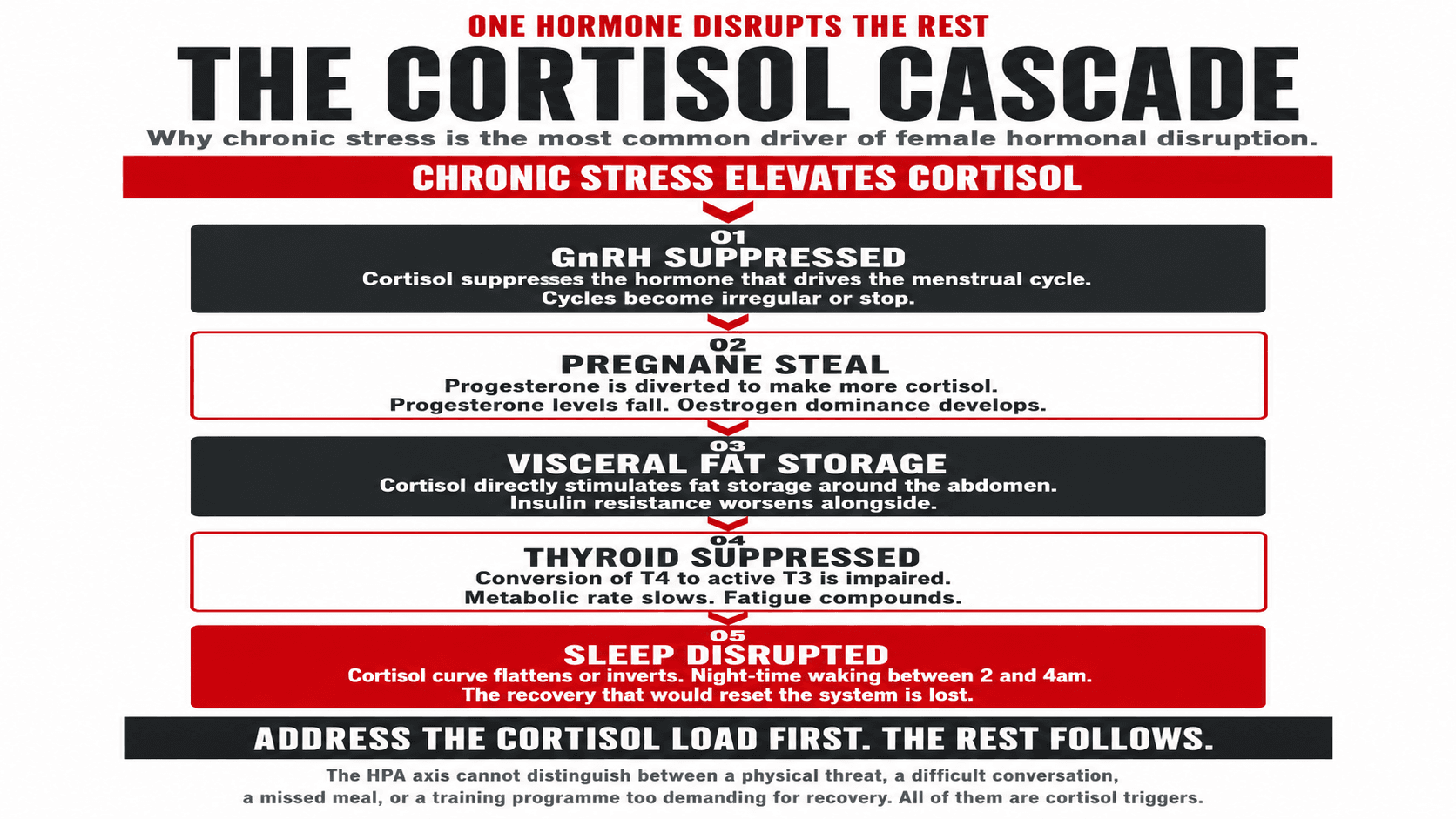
The hypothalamic-pituitary-adrenal axis governs the stress response. When the hypothalamus detects a stressor, it signals the pituitary to release ACTH, which stimulates the adrenal cortex to produce cortisol. This cascade was designed for acute, physical threats. The problem for modern women is that the HPA axis cannot distinguish between a physical predator and a full email inbox, a difficult conversation, a missed meal, a sleep-deprived night, or a training programme that is too demanding for the recovery resources available. All of these trigger cortisol production. When the triggers are continuous and the recovery is insufficient, cortisol remains chronically elevated.
The specific consequences of chronic cortisol elevation for women include: suppression of GnRH, the hormone that drives the menstrual cycle, leading to irregular or absent periods. Increased conversion of progesterone to cortisol via the pregnane steal pathway, directly reducing progesterone levels and worsening oestrogen dominance. Elevated blood glucose through cortisol's glycogenolytic and gluconeogenic actions, worsening insulin resistance. Direct stimulation of visceral fat storage. Suppression of thyroid hormone conversion from T4 to the active T3 form. Disruption of sleep architecture, particularly the suppression of deep sleep and early morning waking (3).
The women who present to me with the most intractable body composition challenges are often not eating poorly or training insufficiently. They are simply chronically over-stressed in a way that keeps cortisol elevated enough to undermine every other effort. Addressing the cortisol load is not a soft lifestyle recommendation. It is a physiological necessity for the other interventions to work.
Top Tip: If you wake consistently between 2 and 4am without an obvious reason, this is one of the most reliable signs of elevated cortisol. Cortisol follows a diurnal curve that peaks in the morning and should be lowest at night. When cortisol is chronically elevated, this curve flattens or inverts, producing night-time waking as the nervous system activates inappropriately. Addressing sleep hygiene, reducing training load, increasing food intake if under-fuelling, and managing acute stress sources are all relevant. If the pattern persists, a salivary cortisol test via a private functional medicine practitioner can quantify the curve.

Signs of Hormonal Imbalance: What to Look For and When to Seek Help
Hormonal imbalance is a term that has been overused to the point of losing precision. I want to use it here in a specific, clinically grounded way: a pattern of symptoms that is consistent with a recognisable hormonal disruption, supported by the right blood tests, that warrants either lifestyle intervention, clinical support, or both.
| Pattern | Key Symptoms | Likely Hormonal Driver | First Steps |
|---|---|---|---|
| Oestrogen dominance | Heavy periods, breast tenderness, bloating, mood swings, weight gain around hips and thighs, difficulty sleeping, fibroids or endometriosis history. | High oestrogen relative to low progesterone. Often driven by chronic stress, poor liver detoxification, or anovulatory cycles. | Reduce alcohol (impairs oestrogen metabolism). Increase cruciferous vegetables. Address cortisol. Discuss progesterone with GP. |
| Low progesterone | Worsening PMS, sleep disruption, anxiety and irritability in second half of cycle, spotting before period, short luteal phase, difficulty conceiving. | Anovulatory cycles, chronic stress via pregnane steal, undereating, perimenopause. | Manage cortisol. Eat adequately. Confirm ovulation is occurring. Discuss progesterone supplementation with GP if luteal phase short. |
| Elevated cortisol | Visceral weight gain, night waking at 2 to 4am, anxiety, sugar cravings, fatigue despite adequate sleep, irregular cycles, muscle loss. | Chronic psychological stress, under-fuelling, excessive training load, poor sleep, or a combination of all four. | Identify and address primary stress sources. Ensure adequate food. Reduce training volume temporarily. Prioritise sleep. Salivary cortisol test if symptoms persist. |
| Thyroid dysfunction | Fatigue, cold intolerance, hair thinning, constipation, weight gain despite controlled intake, slow pulse, depression, dry skin. Hypothyroid is most common in women. | Primary thyroid dysfunction, often autoimmune (Hashimoto's). Can be driven or worsened by chronic cortisol suppressing T4 to T3 conversion. | Ask GP for full thyroid panel: TSH, Free T4, Free T3, and thyroid antibodies (TPO and TG). Selenium supports T4 to T3 conversion. Reduce cortisol. |
| Low oestrogen | Hot flushes, night sweats, vaginal dryness, brain fog, mood low, joint pain, poor sleep, bone loss, reduced libido. Most common in perimenopause and post-menopause. | Perimenopause or menopause. Can also occur from extreme under-fuelling, excessive exercise, or premature ovarian insufficiency. | Discuss HRT with GP if perimenopausal or postmenopausal. Ensure adequate food if under-fuelling. Rule out premature ovarian insufficiency in under-40s. |
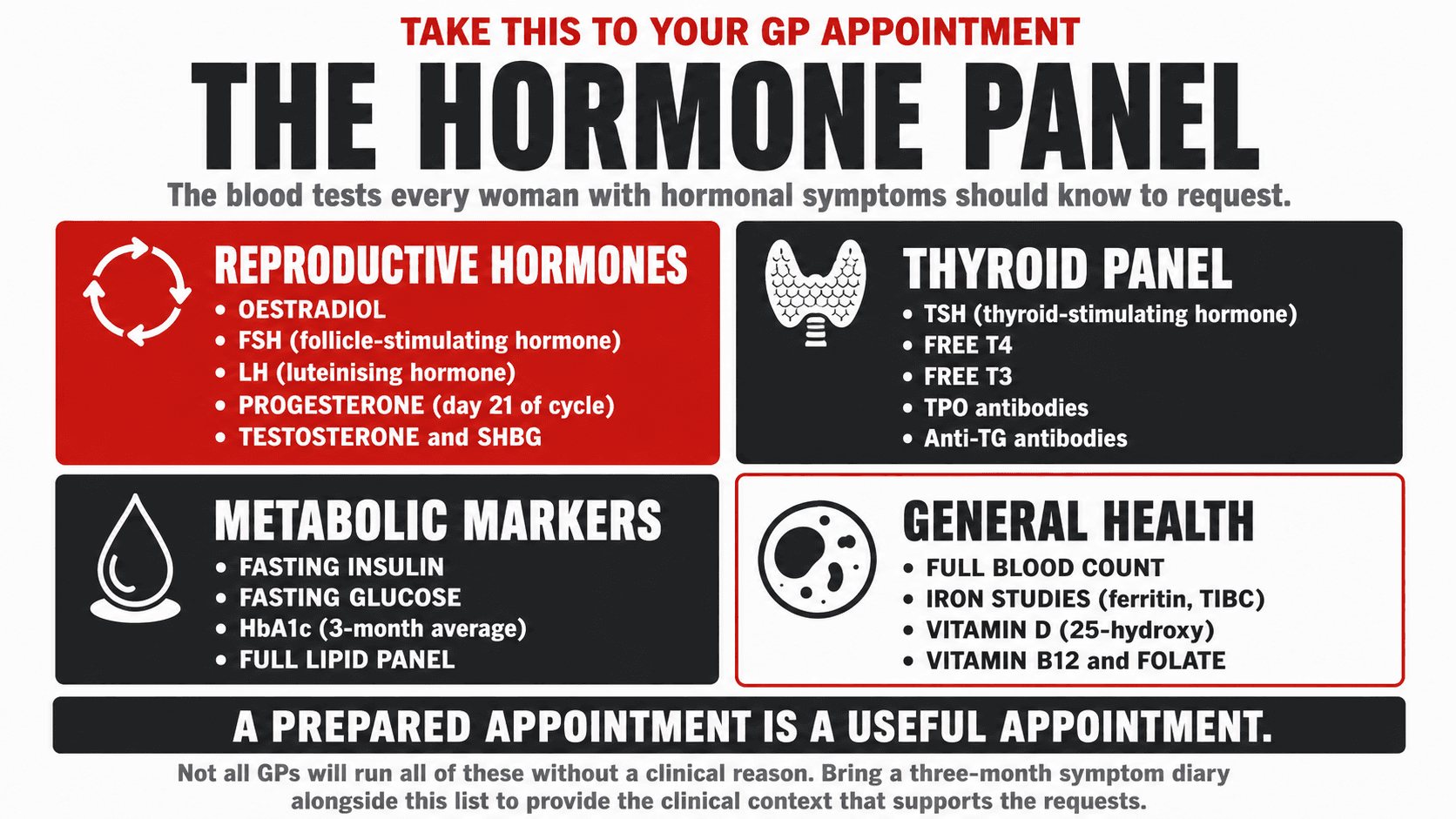
No symptom pattern in this table is a diagnosis. All of them are worth investigating with a GP who takes hormonal symptoms seriously. Go to appointments with a three-month symptom diary and a specific list of the blood tests you want to request. You will get more useful clinical information from a prepared appointment than from a reactive one.
What Happens When Hormonal Signals Are Persistently Ignored
The symptom patterns described above are not nuisances to be managed with willpower or normalised as the inevitable cost of being female. They are signals from a hormonal system that is not functioning optimally and that will produce worsening consequences if the underlying disruption is not addressed.
Oestrogen dominance that is not addressed is associated with an increased risk of fibroids, endometriosis, and oestrogen-receptor positive breast cancer over the long term. The oestrogen dominance itself is not the direct cause of these outcomes in most cases, but it is part of a hormonal environment that is associated with their development. Reducing oestrogen dominance through improving progesterone levels, supporting liver oestrogen metabolism, and managing the cortisol load that drives the imbalance is a reasonable precautionary response.
Chronically elevated cortisol produces a compounding cascade of hormonal disruption that becomes harder to reverse the longer it is sustained. The muscle loss, visceral fat accumulation, insulin resistance, disrupted menstrual cycles, and impaired thyroid function that chronic cortisol drives are not simply reversed by a week of reduced stress. They require a sustained and deliberate response: consistent sleep, appropriate training load, adequate nutrition, and genuine management of the psychological and lifestyle pressures that are maintaining the cortisol elevation.
Thyroid dysfunction, if left undiagnosed or inadequately managed, affects every body system and makes meaningful progress with training or nutrition effectively impossible. The metabolic suppression of hypothyroidism, combined with the chronic fatigue it produces, creates a situation where a woman can be doing everything right on paper and experiencing no results. This is not a training or nutrition problem. It requires clinical management alongside lifestyle optimisation.
Top Tip: When you visit your GP to discuss hormonal symptoms, ask specifically for: oestradiol, FSH, LH, progesterone (day 21 of a 28-day cycle), testosterone and SHBG, TSH, Free T4 and Free T3, thyroid antibodies (TPO and anti-TG), fasting insulin, fasting glucose, and a full blood count including iron studies. This is a comprehensive hormonal and metabolic baseline. Not all GPs will run all of these without a clinical reason for each, but knowing what you want to ask for gives you a starting point for an informed conversation.
Lifestyle as Hormonal Medicine: The Evidence-Based Response
Understanding the hormonal system is only valuable if it translates into action. The lifestyle interventions that most directly support female hormonal health are consistent, evidence-based, and largely the same interventions described throughout every article in this series, because the hormonal system is not separate from the rest of the body. It is the coordinating system through which the rest of the body communicates.
Resistance training improves insulin sensitivity, reduces visceral fat and the inflammatory signals it produces, supports oestrogen metabolism through improved liver function, reduces chronic cortisol elevation over time, and supports the neuromuscular function that protects against the physical consequences of hormonal disruption. Three to four sessions per week of progressive compound-based resistance training is the most broadly effective lifestyle intervention for female hormonal health.
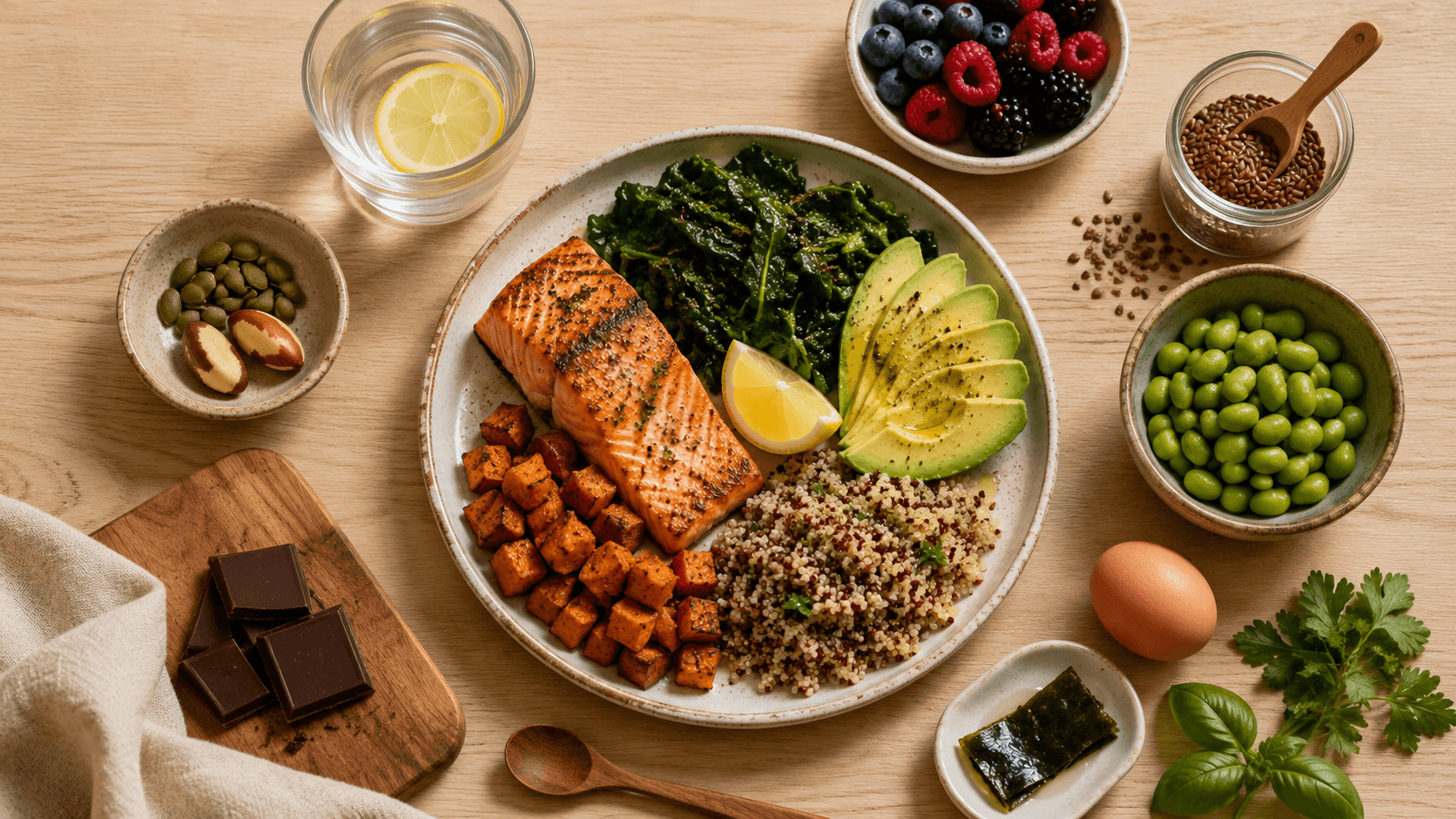
Nutritional adequacy is the most consistently undervalued hormonal intervention. The hormonal system cannot function on insufficient fuel. Oestrogen synthesis requires dietary fat. Thyroid hormone production requires adequate iodine, selenium, and zinc. Progesterone production requires adequate calorie intake and cholesterol. Cortisol management requires adequate protein and carbohydrate to buffer the blood glucose swings that stimulate cortisol secretion. Under-eating is not a neutral act for the female hormonal system. It is a stressor that activates the same HPA axis response as physical and psychological stress.
Sleep is the most direct hormonal recovery tool available. Growth hormone is secreted in its largest pulse during deep sleep. Cortisol is regulated and reset during the nocturnal rest period. Insulin sensitivity is substantially improved by adequate sleep and substantially worsened by sleep restriction. Oestrogen and progesterone rhythm is supported by the same circadian regulation that governs the sleep-wake cycle. Seven to eight hours of quality sleep per night is not a lifestyle luxury. It is the precondition for hormonal function (4).
For plant-based women, specific nutritional attention to iodine, zinc, selenium, and omega 3 DHA and EPA is particularly relevant for thyroid and hormonal health, as these nutrients are less readily available from plant sources than from animal foods. Iodine from fortified plant milk, seaweed in modest amounts, or supplementation. Zinc from pumpkin seeds, lentils, and hemp seeds. Selenium from Brazil nuts, one to two daily. DHA and EPA from algae oil directly.
Top Tip: The three lifestyle changes that produce the most direct improvements in female hormonal balance are, in order of impact: getting consistent adequate sleep, eating enough protein and total calories to meet the body's genuine requirements, and reducing the chronic stress load through the most significant sources that are within your control. All three of these are free, available immediately, and more powerful than any supplement. Address all three before adding anything to your routine.
How Hormonal Understanding Shapes Every Programme I Build
Every client programme I write is built on an understanding of the hormonal context the client is operating in. For a woman in her early 30s with regular cycles, the programme is calibrated to the phase of her cycle. For a perimenopausal woman with elevated cortisol and disrupted sleep, the programme addresses recovery as the primary priority before adding training intensity. For a post-menopausal woman, the hormonal environment that has changed is directly reflected in the elevated protein targets, the bone-loading exercise selection, and the cardiovascular health markers that inform the nutritional strategy.
Hormonal health is not a specialist topic that applies only to women with diagnosed conditions. It is the physiological context within which every female body operates, and any coaching that does not account for it is missing the most important variable in the system. I account for it in every session, every meal plan, and every programme I build.
If you want to understand your own hormonal health more clearly and build a training and nutrition strategy that works with it rather than against it, I work one-to-one with women online globally. The conversation begins with where you are. The programme is built from there.