If I had to pick one supplement that I recommend more consistently than almost any other, it would be curcumin. Not because it is trendy. Not because it is exotic. And certainly not because it is a magic pill that replaces the hard work of proper nutrition and training. I recommend curcumin because the body of peer-reviewed evidence supporting its role in managing inflammation, supporting metabolic health, and improving recovery is genuinely impressive, and because chronic low-grade inflammation is one of the most underappreciated obstacles standing between most of my clients and the results they want.
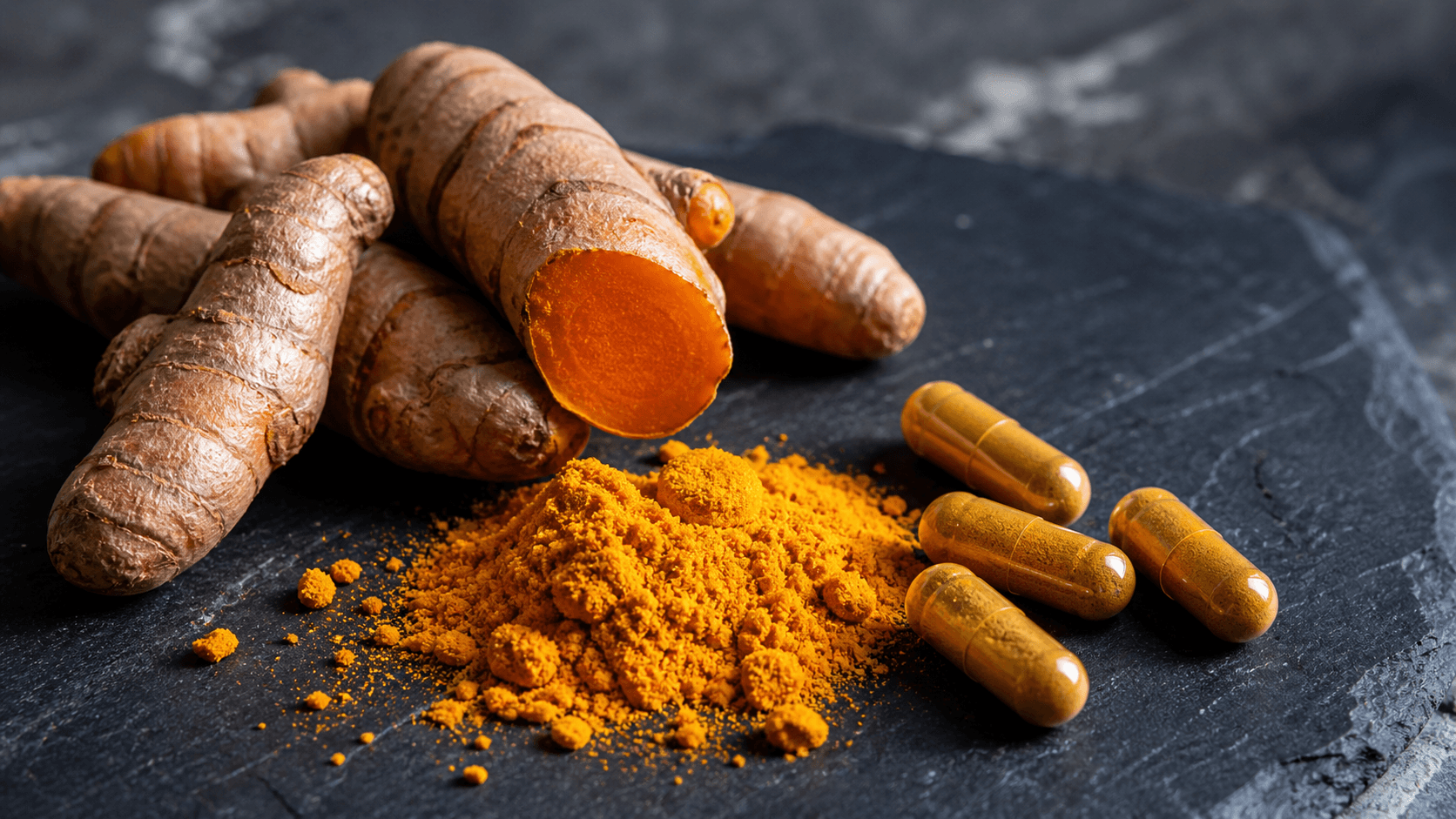
Curcumin is the primary bioactive compound found in turmeric, the bright yellow spice that has been used in traditional medicine for thousands of years. But before you start dumping turmeric lattes down your throat and calling it a health strategy, there is a critical distinction to understand. Turmeric typically contains only about 3 percent curcumin by weight, which means the amount you get from cooking with turmeric is nowhere near enough to produce the therapeutic effects demonstrated in clinical research (1). To get those benefits, you need a concentrated, bioavailable curcumin supplement. And even then, there are important details that determine whether what you are taking is actually working or just passing straight through your system.
Why Chronic Inflammation Is the Silent Problem Behind So Many Stalled Transformations
Let me explain why inflammation matters so much in the context of fat loss and body composition, because this is the connection most people miss entirely. Acute inflammation is a normal and necessary part of your immune response. You train hard, your muscles sustain micro-damage, the inflammatory response kicks in to begin the repair process, and you recover stronger than before. That is healthy. That is how the body adapts. The problem arises when inflammation becomes chronic, meaning your body is in a persistent state of low-grade inflammatory activity that never fully resolves.
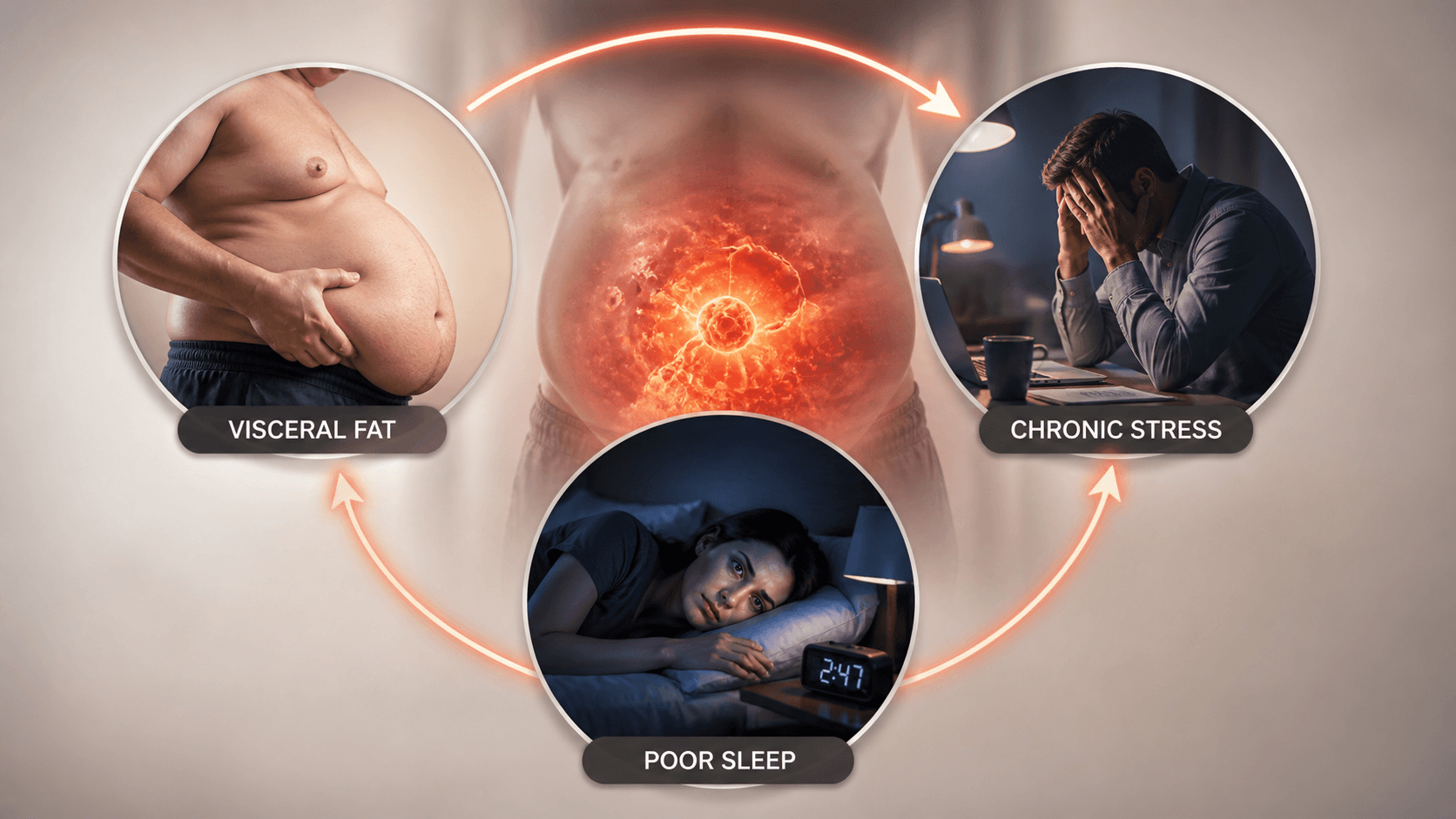
Chronic inflammation is driven by a range of factors that are extremely common in the modern world: excess body fat (particularly visceral fat, which actively secretes pro-inflammatory cytokines), poor sleep, chronic psychological stress, excessive alcohol intake, a diet high in processed foods and refined sugars, and insufficient physical activity (2). A landmark review published in Nature Medicine described chronic low-grade inflammation as a central mechanism linking obesity to insulin resistance, type 2 diabetes, cardiovascular disease, and metabolic syndrome (3). In practical terms, if you are carrying excess body fat, sleeping poorly, stressed at work, and eating a diet heavy in processed food, your body is almost certainly in a state of chronic inflammation, and that inflammation is actively working against your fat loss efforts.
Chronic inflammation impairs insulin sensitivity, which makes it harder for your body to partition nutrients effectively and easier for it to store fat (4). It disrupts leptin signalling, which affects hunger regulation and metabolic rate. It increases cortisol output, which promotes visceral fat storage. And it slows recovery from training, which compromises your ability to build and maintain the lean muscle tissue that drives your metabolism. This is the vicious cycle I see in so many clients when they first come to me: they are inflamed, they are struggling to lose fat, and the excess fat is driving more inflammation. Breaking that cycle requires a multi-pronged approach, and curcumin is one of the tools I use to help.
What the Research Says About Curcumin and Inflammation
Curcumin has been shown to modulate multiple inflammatory pathways in the body. Its primary mechanism of action involves the inhibition of nuclear factor kappa B (NF-kB), a protein complex that plays a central role in regulating the inflammatory response. When NF-kB is chronically activated, it drives the production of pro-inflammatory cytokines including tumour necrosis factor alpha (TNF-a), interleukin-6 (IL-6), and C-reactive protein (CRP), all of which are elevated in individuals with obesity, metabolic syndrome, and chronic disease (5). By suppressing NF-kB activation, curcumin helps to dial down this inflammatory cascade at its source.
A meta-analysis published in the Journal of Medicinal Food, which pooled data from multiple randomised controlled trials, found that curcumin supplementation produced statistically significant reductions in circulating levels of CRP, a key biomarker of systemic inflammation (6). Another meta-analysis published in Phytotherapy Research reported that curcumin significantly reduced levels of TNF-a and IL-6 across a range of clinical populations (7). These are not marginal, ambiguous findings. These are consistent, replicated results across multiple high-quality studies demonstrating that curcumin has a measurable effect on the inflammatory markers most closely associated with metabolic dysfunction and chronic disease.
Curcumin and Fat Loss: What the Evidence Actually Supports
I want to be precise about this because I am not someone who makes exaggerated claims about supplements. Curcumin is not a fat burner. It will not melt body fat while you sit on the sofa. But there is credible evidence suggesting that curcumin can support fat loss indirectly through its effects on inflammation and metabolic health. A randomised controlled trial published in the European Review for Medical and Pharmacological Sciences found that curcumin supplementation combined with lifestyle modification produced significantly greater reductions in body weight, BMI, and waist circumference compared to lifestyle modification alone in overweight individuals with metabolic syndrome (8).
The proposed mechanism is logical. By reducing chronic inflammation, curcumin may improve insulin sensitivity, enhance the body's ability to mobilise and oxidise stored fat, and reduce the inflammatory signalling from adipose tissue that perpetuates metabolic dysfunction (9). A study published in the journal Biofactors demonstrated that curcumin supplementation improved adiponectin levels, a hormone produced by fat cells that plays a key role in glucose regulation and fatty acid breakdown, in individuals with metabolic syndrome (10). Higher adiponectin levels are associated with improved insulin sensitivity and more efficient fat metabolism. None of this replaces the need for a calorie deficit, adequate protein, and consistent training. But for clients who are dealing with stubborn fat loss, elevated inflammatory markers, or metabolic health concerns, curcumin provides a meaningful additional layer of support.
Joint Health, Recovery, and Training Performance
Beyond its metabolic effects, curcumin has well-documented benefits for joint health and exercise recovery, which matter enormously for anyone training consistently. If joint pain or post-training soreness is limiting your ability to train with the intensity and frequency needed to drive results, addressing that limitation directly improves your outcomes. A systematic review published in the Journal of Medicinal Food found that curcumin supplementation reduced symptoms of arthritis and joint pain comparably to non-steroidal anti-inflammatory drugs (NSAIDs) like ibuprofen, without the gastrointestinal side effects commonly associated with long-term NSAID use (11).
For exercise-induced muscle damage and delayed onset muscle soreness (DOMS), a meta-analysis published in the European Journal of Applied Physiology found that curcumin supplementation reduced subjective pain scores and lowered markers of muscle damage including creatine kinase following intense exercise (12). I have seen this play out consistently with clients. Better recovery means more productive training sessions, which means faster progress. It is not a dramatic overnight transformation, but over weeks and months, the cumulative effect of slightly better recovery from every session adds up significantly.
The Bioavailability Problem You Need to Understand
Here is the critical caveat that most people miss when they start supplementing with curcumin: standard curcumin has very poor bioavailability. It is rapidly metabolised and eliminated by the body, meaning that very little of what you swallow actually reaches your bloodstream in an active form (13). This is why eating turmeric in food, while delicious, does not deliver therapeutic levels of curcumin, and it is also why choosing the right supplement formulation matters enormously.
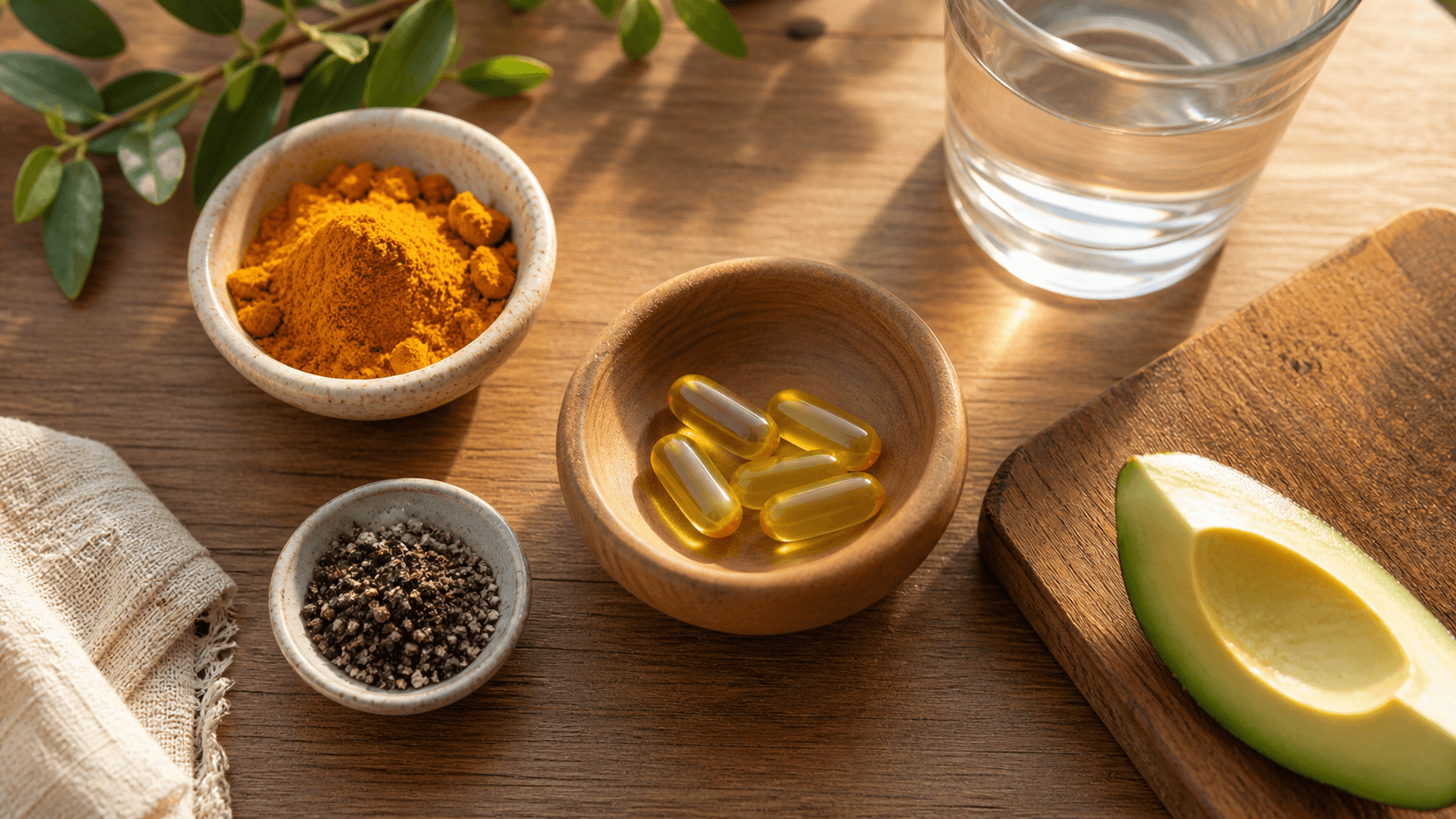
The most well-studied approach to improving curcumin bioavailability is co-administration with piperine, a compound found in black pepper, which has been shown to increase curcumin absorption by up to 2,000 percent (14). Other formulation strategies include lipid-based delivery systems and nano-emulsions that enhance absorption through the gut lining. When recommending curcumin to my clients, I always specify that they need a formulation that includes a bioavailability enhancer. A cheap, unformulated curcumin powder is largely a waste of money because your body simply will not absorb enough of it to produce a meaningful effect. This is one of those areas where spending a little more on a quality product makes a genuine difference.
Who Benefits Most and How I Use It With Clients
I do not recommend curcumin to every single client indiscriminately, but I do recommend it to the vast majority, and there are certain profiles where I consider it particularly valuable. Clients carrying significant excess body fat, especially visceral fat around the midsection, tend to benefit because of the strong link between adiposity and chronic inflammation. Clients managing type 2 diabetes or pre-diabetes benefit because of curcumin's effects on insulin sensitivity and glucose regulation. Clients with joint pain or arthritis benefit because of the anti-inflammatory and analgesic effects. Clients over 40 benefit because inflammatory markers tend to increase with age as part of a process sometimes referred to as “inflammaging.” And clients under significant psychological or occupational stress benefit because chronic stress is a potent driver of systemic inflammation.
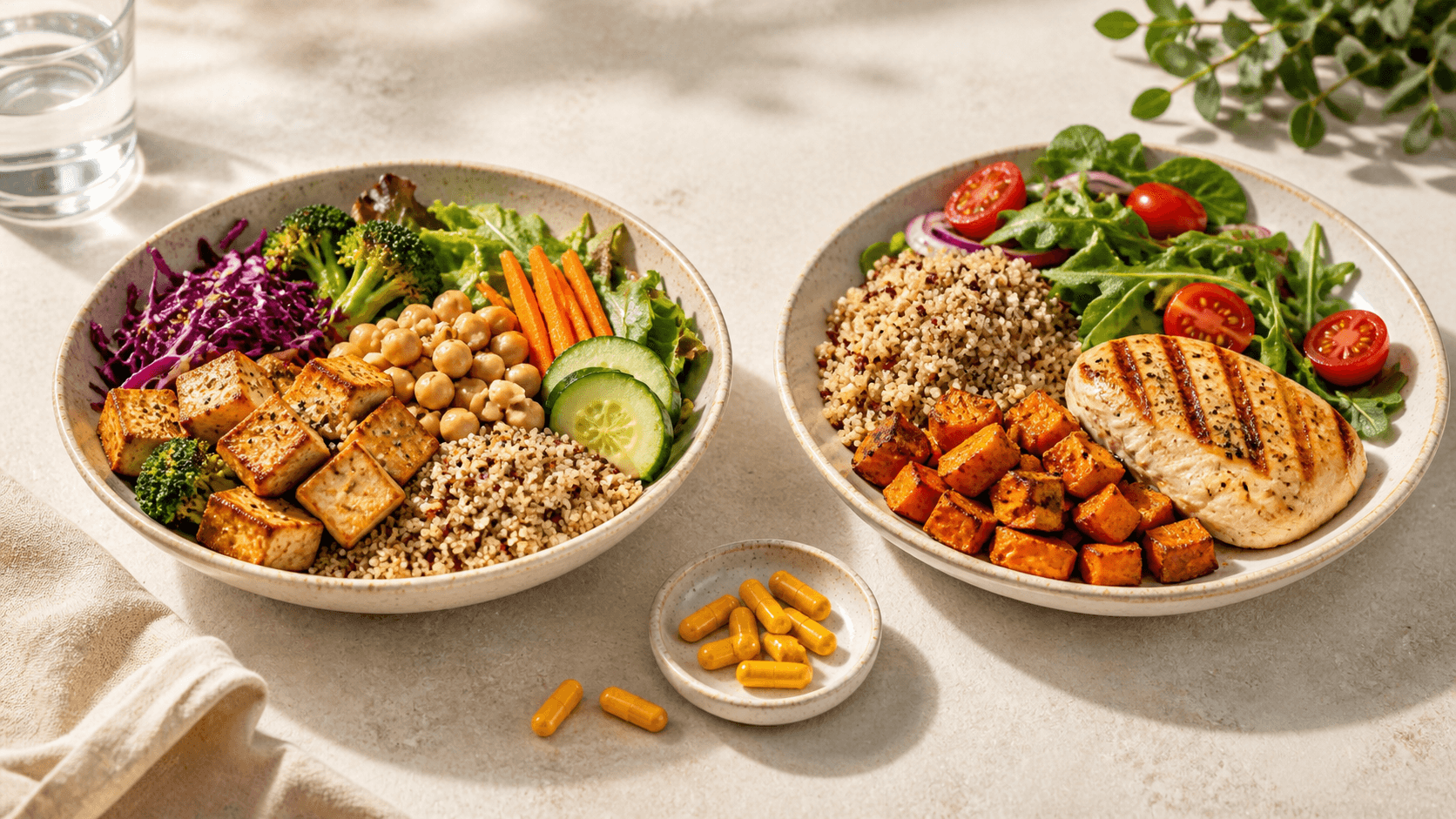
The dosing I typically recommend aligns with the ranges used in clinical research, generally 500 to 1,000 milligrams of curcuminoids per day from a bioavailability-enhanced formulation, taken with food. This is not a megadose. It is a moderate, evidence-based amount that has been shown to be safe and well-tolerated in clinical trials (15). As with any supplement, I always advise clients to check with their GP if they are taking blood-thinning medication or have a pre-existing liver condition, as curcumin can interact with certain medications.
What Curcumin Cannot Do
I think it is important to be clear about limitations. Curcumin is not a replacement for a calorie deficit when the goal is fat loss. It is not a substitute for resistance training when the goal is muscle preservation. It does not cure diabetes, reverse heart disease, or eliminate the need for medical treatment in any serious health condition. It is a supplement, which means it supplements an already solid foundation of nutrition, training, sleep, and stress management. If those foundations are not in place, no amount of curcumin is going to rescue your results. But when the foundations are solid, curcumin provides a meaningful and evidence-based boost that can accelerate progress and support long-term health.
The Bottom Line
Chronic inflammation is one of the most common and most overlooked barriers to fat loss, metabolic health, and long-term wellbeing. Curcumin is one of the most well-researched natural compounds for managing that inflammation, with consistent evidence supporting its effects on key inflammatory biomarkers, insulin sensitivity, joint health, and exercise recovery. It is not a miracle cure. It is a practical, evidence-based tool that fits within a broader strategy of intelligent nutrition, progressive training, and healthy lifestyle habits.
If you are struggling with stubborn fat loss, managing a metabolic health condition, or simply want to optimise your recovery and long-term health, curcumin is one of the first supplements I would suggest you consider. And if you want a complete, personalised strategy that addresses not just supplementation but every aspect of your nutrition, training, and lifestyle, get in touch. I work one-to-one with clients online globally, across every dietary background, and I would be happy to help you build a plan that actually works.
Work with Me
Get a personalised coaching plan built around your goals, your schedule, and your life.
Enquire NowReferences
- Prasad S, Tyagi AK, Aggarwal BB. Recent developments in delivery, bioavailability, absorption and metabolism of curcumin: the golden pigment from golden spice. Cancer Research and Treatment. 2014; 46(1): 2-18.
- Furman D, Campisi J, Verdin E, et al. Chronic inflammation in the etiology of disease across the life span. Nature Medicine. 2019; 25(12): 1822-1832.
- Hotamisligil GS. Inflammation, metaflammation and immunometabolic disorders. Nature. 2017; 542(7640): 177-185.
- Shoelson SE, Lee J, Goldfine AB. Inflammation and insulin resistance. Journal of Clinical Investigation. 2006; 116(7): 1793-1801.
- Aggarwal BB, Harikumar KB. Potential therapeutic effects of curcumin, the anti-inflammatory agent, against neurodegenerative, cardiovascular, pulmonary, metabolic, autoimmune and neoplastic diseases. International Journal of Biochemistry and Cell Biology. 2009; 41(1): 40-59.
- Sahebkar A. Are curcuminoids effective C-reactive protein-lowering agents in clinical practice? Evidence from a meta-analysis. Phytotherapy Research. 2014; 28(5): 633-642.
- Derosa G, Maffioli P, Simental-Mendia LE, Bo S, Sahebkar A. Effect of curcumin on circulating interleukin-6 concentrations: a systematic review and meta-analysis of randomized controlled trials. Pharmacological Research. 2016; 111: 394-404.
- Di Pierro F, Bressan A, Ranaldi D, Rapacioli G, Giacomelli L, Bertuccioli A. Potential role of bioavailable curcumin in weight loss and omental adipose tissue decrease: preliminary data of a randomized, controlled trial in overweight people with metabolic syndrome. European Review for Medical and Pharmacological Sciences. 2015; 19(21): 4195-4202.
- Bradford PG. Curcumin and obesity. BioFactors. 2013; 39(1): 78-87.
- Panahi Y, Hosseini MS, Khalili N, et al. Effects of supplementation with curcumin on serum adipokine concentrations: a randomized controlled trial. Nutrition. 2016; 32(10): 1078-1082.
- Daily JW, Yang M, Park S. Efficacy of turmeric extracts and curcumin for alleviating the symptoms of joint arthritis: a systematic review and meta-analysis of randomized clinical trials. Journal of Medicinal Food. 2016; 19(8): 717-729.
- Fernandez-Lazaro D, Mielgo-Ayuso J, Seco Calvo J, Cordova Martinez A, Caballero Garcia A, Fernandez-Lazaro CI. Modulation of exercise-induced muscle damage, inflammation, and oxidative markers by curcumin supplementation in a physically active population: a systematic review. Nutrients. 2020; 12(2): 501.
- Anand P, Kunnumakkara AB, Newman RA, Aggarwal BB. Bioavailability of curcumin: problems and promises. Molecular Pharmaceutics. 2007; 4(6): 807-818.
- Shoba G, Joy D, Joseph T, Majeed M, Rajendran R, Srinivas PS. Influence of piperine on the pharmacokinetics of curcumin in animals and human volunteers. Planta Medica. 1998; 64(4): 353-356.
- Lao CD, Ruffin MT, Normolle D, et al. Dose escalation of a curcuminoid formulation. BMC Complementary and Alternative Medicine. 2006; 6: 10.