
The carnivore diet has exploded in popularity over the last few years. Scroll through social media and you will find no shortage of influencers claiming that eating nothing but animal products cured their autoimmune conditions, stripped body fat overnight, and transformed their mental clarity. It sounds compelling. It sounds simple. And if you have been struggling with your weight, your energy, or your health for years, I understand why the idea of a radical dietary overhaul feels attractive.
The carnivore diet, sometimes referred to as the all-meat diet or zero-carb diet, involves eating exclusively animal-based foods. That means meat, fish, eggs, and in some variations, dairy. Everything else is eliminated. Vegetables, fruit, grains, legumes, nuts, seeds. All gone. Proponents argue that humans evolved primarily as meat eaters and that plant foods are unnecessary or even harmful due to compounds like lectins, oxalates, and phytates. The logic sounds appealing on the surface. But the science tells a very different story.
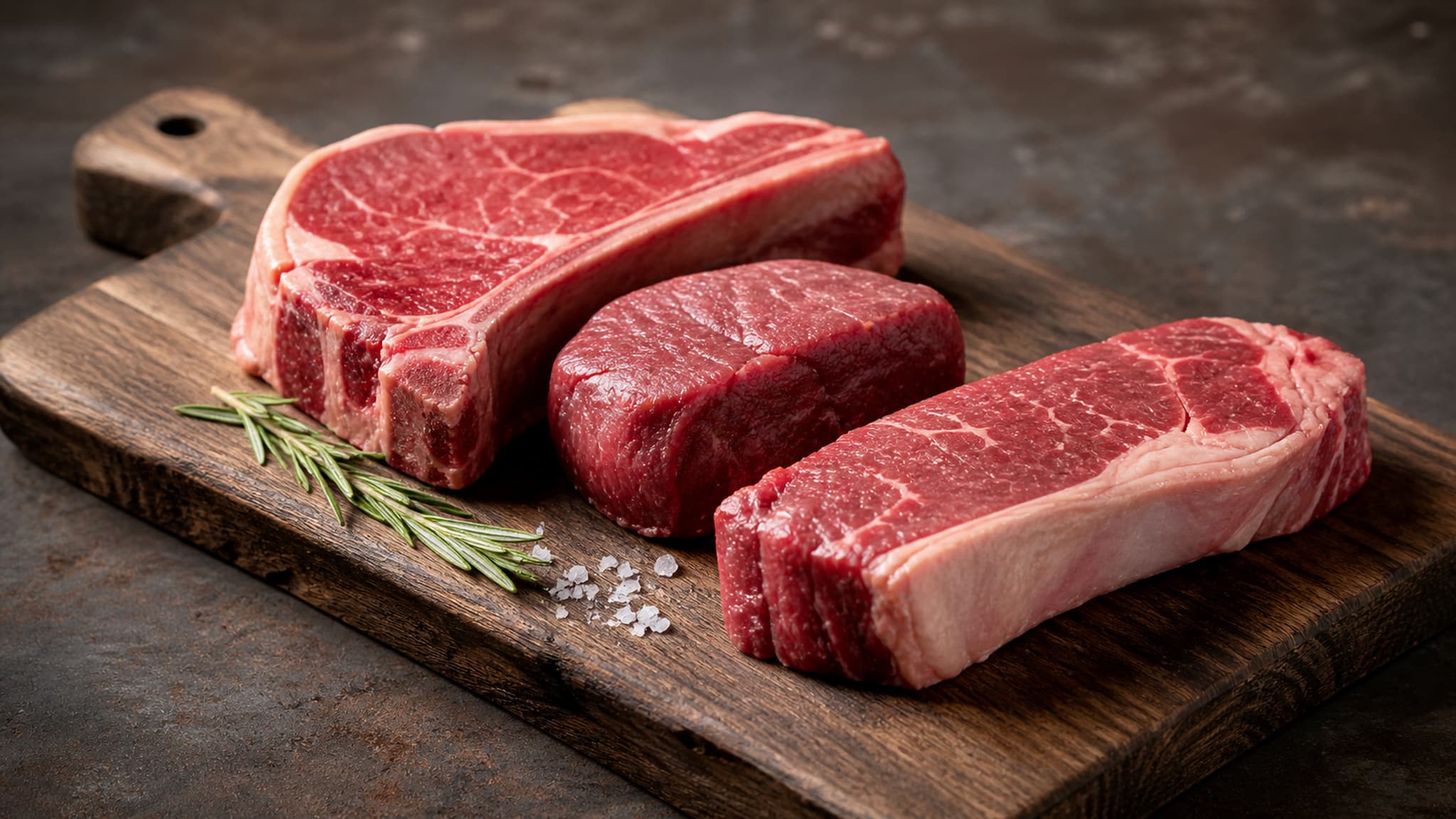
What Happens When You Remove Every Plant-Based Food From Your Diet
Let me be direct about what happens when you strip your diet down to nothing but animal products. The initial weight loss people experience on the carnivore diet is real, and I am not going to pretend otherwise. When you eliminate entire food groups, you inevitably reduce your total calorie intake. You also drop a significant amount of water weight because carbohydrate stores in the muscle (glycogen) are depleted, and each gram of glycogen holds roughly three grams of water (1). This gives the illusion of rapid fat loss in the first week or two, which is incredibly motivating. But that initial drop is not primarily fat. It is water and glycogen. The real question is what happens beyond the first few weeks.

The biggest concern I have with the carnivore diet is the complete absence of dietary fibre. Fibre is not some optional extra. A landmark meta-analysis published in The Lancet, which analysed data from 185 prospective studies and 58 clinical trials involving over 4,600 participants, found that higher intakes of dietary fibre were associated with a 15 to 30 percent reduction in all-cause mortality, cardiovascular mortality, incidence of coronary heart disease, stroke, type 2 diabetes, and colorectal cancer (2). That is not a marginal benefit. That is a significant reduction in the diseases that are killing millions of people every year. On a carnivore diet, your fibre intake drops to zero.
Beyond the long-term disease risk, the immediate impact on gut health is substantial. Your gut microbiome relies on fibre to produce short-chain fatty acids like butyrate, which play a critical role in maintaining the integrity of the gut lining, modulating inflammation, and supporting immune function (3). Research published in the journal Cell Host and Microbe demonstrated that diets low in fibre lead to a reduction in microbial diversity, which has been linked to increased inflammation and metabolic dysfunction (4). When I hear someone tell me they feel great after two weeks on the carnivore diet, I do not doubt their subjective experience. But I also know that the downstream consequences of a fibre-free diet take months or years to manifest, not days.
The Saturated Fat and Cardiovascular Question
Another area that concerns me is the sheer volume of saturated fat that a carnivore diet typically provides. Now, I am not someone who demonises dietary fat. If you have read my article on why dietary fat is not your enemy, you will know I take an evidence-based and balanced position on this. Fat is an essential macronutrient. But there is a significant difference between including healthy fats as part of a balanced diet and deriving the overwhelming majority of your calories from fatty animal products with no counterbalance from plant-based foods.

A meta-analysis published in the journal Circulation reviewed data from over 1.2 million participants and found that high consumption of processed red meat was associated with a 42 percent increased risk of coronary heart disease and a 19 percent increased risk of type 2 diabetes (5). Unprocessed red meat showed a weaker but still notable association. The issue is not red meat itself in isolation. The issue is the absence of the protective factors that a varied diet provides, including the polyphenols, antioxidants, and phytochemicals found exclusively in plant foods.
Why Elimination Is Not the Same as Optimisation
I have seen this pattern play out dozens of times with clients who come to me after attempting restrictive diets. The carnivore diet works in the short term for the same reason that every extreme elimination diet works in the short term: it simplifies decision-making and creates a calorie deficit. When you can only eat steak, eggs, and butter, the novelty wears off quickly, appetite naturally decreases, and you eat less. That is not metabolic magic. That is a calorie deficit wrapped in a compelling narrative.
The largest self-reported survey of carnivore diet adherents, published in Current Developments in Nutrition, collected data from over 2,000 adults following the diet for at least six months. While participants reported high levels of satisfaction and improvements in various health markers, the study was entirely self-reported with no control group, no blood work verification, and significant selection bias given that people who had negative experiences were far less likely to still be following the diet and thus less likely to respond to the survey (6). This is not the kind of evidence that should form the basis of a long-term dietary strategy.

What troubles me most is the implicit message that plant foods are harmful. The overwhelming body of evidence points in the opposite direction. A comprehensive review by the EAT-Lancet Commission, which brought together 37 leading scientists from 16 countries, concluded that a diet rich in plant-based foods with modest amounts of animal-source foods is optimal for both human health and environmental sustainability (7). You do not need to be vegan or vegetarian to benefit from plant foods. But you do need to eat them.
What About People Who Feel Better on Carnivore?
I want to address this honestly because it is a fair point. Some people genuinely do feel better when they switch to a carnivore diet, particularly those with digestive issues, autoimmune symptoms, or food intolerances. I do not dismiss those experiences. But what I would encourage anyone in that situation to consider is that the improvement is almost certainly coming from the removal of specific problematic foods, not from the addition of more meat. If someone has an undiagnosed sensitivity to gluten, FODMAPs, or certain lectins, removing those foods will provide relief regardless of whether you replace them with steak or with rice and well-tolerated vegetables.
The clinical approach I take with clients who have digestive issues is structured elimination followed by methodical reintroduction. We identify the specific triggers rather than throwing out every plant food along with the problematic ones. This is evidence-based practice. It preserves the protective benefits of a varied diet while addressing individual sensitivities. It is more nuanced than simply eating nothing but meat, but it is also far more effective and sustainable long term.
The Sustainability Problem No One Talks About
Even if we set aside the health arguments for a moment, the practical sustainability of the carnivore diet is a serious issue. In my experience coaching hundreds of clients, dietary adherence is the single most important predictor of long-term success. A systematic review published in Obesity Reviews found that the degree of dietary adherence, regardless of the specific diet followed, was the strongest predictor of weight loss outcomes (8). If you cannot stick to a diet for the long haul, the diet does not work for you. Period.
The carnivore diet is extraordinarily difficult to maintain in real life. Social situations become awkward. Travel becomes complicated. Meal variety plummets. And for anyone who is vegetarian, vegan, or follows a plant-based diet, the carnivore approach is obviously a complete non-starter. As someone who has been a lifelong vegetarian myself and who coaches clients across every dietary background, including meat eaters, vegetarians, vegans, and everything in between, I can tell you that restriction for the sake of restriction is never the answer. The answer is finding a balanced, evidence-based approach that fits your life, your preferences, and your goals.
What I Recommend Instead
If you are drawn to the carnivore diet because you want clarity, simplicity, and results, I completely understand that desire. But you can achieve all of those things without eliminating every plant food from your plate. Here is what the evidence actually supports.
Prioritise protein from a variety of high-quality sources. If you eat meat, that means lean cuts of poultry, fish, and red meat in moderation. If you are vegetarian or vegan, that means tofu, tempeh, seitan, legumes, lentils, and quality protein supplements like pea or soy protein. Build every meal around a protein source and pair it with fibrous vegetables. Include healthy fats from sources like olive oil, avocados, nuts, and seeds. And include complex carbohydrates in amounts appropriate for your activity level, body composition, and goals. This is not revolutionary advice. But it works, it is backed by decades of research, and it is sustainable for life.
A study published in the Journal of the American Medical Association followed over 37,000 participants and found that both animal-based and plant-based low-carbohydrate diets were associated with reduced mortality, but only when the protein and fat sources were derived from a variety of whole foods rather than exclusively from animal products (9). The key takeaway is diversity. The more varied your diet, the more likely you are to cover your nutritional bases and the easier it will be to maintain.
The Bottom Line
I am not anti-meat. I coach plenty of clients who eat meat and get outstanding results. What I am against is the idea that eliminating every plant food from your diet is somehow optimal for health, fat loss, or performance. The evidence does not support it. The practical sustainability of it is poor. And for anyone with a plant-based dietary preference, it is exclusionary by design.
If you have been considering the carnivore diet because nothing else has worked, I would encourage you to look at the underlying reasons previous approaches have failed before jumping to the most extreme option available. More often than not, the issue is not what you are eating. It is how much you are eating, how consistently you are eating it, and whether your plan actually fits your life. Those are the problems I solve with my clients every single day, whether they are meat eaters, vegetarians, or vegans.
If you want a personalised approach that is built around evidence rather than ideology, get in touch and let us work together to find the approach that actually works for you.
Work with Me
Get a personalised coaching plan built around your goals, your schedule, and your life.
Enquire NowReferences
- Fernandez-Elias VE, Ortega JF, Nelson RK, Mora-Rodriguez R. Relationship between muscle water and glycogen recovery after prolonged exercise in the heat in humans. European Journal of Applied Physiology. 2015; 115(9): 1919-1926.
- Reynolds A, Mann J, Cummings J, Winter N, Mete E, Te Morenga L. Carbohydrate quality and human health: a series of systematic reviews and meta-analyses. The Lancet. 2019; 393(10170): 434-445.
- Koh A, De Vadder F, Kovatcheva-Datchary P, Backhed F. From dietary fiber to host physiology: short-chain fatty acids as key bacterial metabolites. Cell. 2016; 165(6): 1332-1345.
- Sonnenburg ED, Smits SA, Tikhonov M, Higginbottom SK, Wingreen NS, Sonnenburg JL. Diet-induced extinctions in the gut microbiota compound over generations. Nature. 2016; 529(7585): 212-215.
- Micha R, Wallace SK, Mozaffarian D. Red and processed meat consumption and risk of incident coronary heart disease, stroke, and diabetes mellitus: a systematic review and meta-analysis. Circulation. 2010; 121(21): 2271-2283.
- Lennerz BS, Mey JT, Henn OH, Ludwig DS. Behavioral characteristics and self-reported health status among 2029 adults consuming a “carnivore diet”. Current Developments in Nutrition. 2021; 5(12): nzab133.
- Willett W, Rockstrom J, Loken B, et al. Food in the Anthropocene: the EAT-Lancet Commission on healthy diets from sustainable food systems. The Lancet. 2019; 393(10170): 447-492.
- Lemstra M, Bird Y, Nwankwo C, Rogers M, Moraros J. Weight loss intervention adherence and factors promoting adherence: a meta-analysis. Patient Preference and Adherence. 2016; 10: 1547-1559.
- Fung TT, van Dam RM, Hankinson SE, Stampfer M, Willett WC, Hu FB. Low-carbohydrate diets and all-cause and cause-specific mortality: two cohort studies. Annals of Internal Medicine. 2010; 153(5): 289-298.